
Helsingør, anchoring the absolute northeastern coastal frontier of Zealand Island at the narrowest bottleneck of the sweeping Øresund Strait, operates on a spectacular maritime layout where medieval naval strategy meets cutting edge Scandinavian cultural architecture.
Historically originating as a crucial 13th century fishing outpost, this coastal stronghold rose to global financial prominence in 1429 when King Eric of Pomerania instituted the legendary Sound Dues, forcing every foreign ship entering the Baltic Sea to pay a gold tax at the harbor gates.
Because the metropolis expanded thoughtfully around its heavily fortified coastal headlands and deep water trade wharves rather than erasing them, it earned its permanent cultural status as the legendary home of Shakespearean tragedy and a premier center for modern marine design and industrial heritage.
Today, Helsingør presents a striking architectural matrix where 15th century brick gothic priories and beautifully restored half timbered merchant houses stand beside geometric, glass fronted cultural spaces.
The city effortlessly pairs its deep seafaring pedigree with a progressive passion for public art, interactive maritime history, and a relaxed coastal lifestyle overlooking the Swedish coast just four kilometers away across the water lanes.
1. Kronborg Castle
The Iconic Architectural Sovereign of Shakespearean Bastions and Subterranean Mythological Vaults
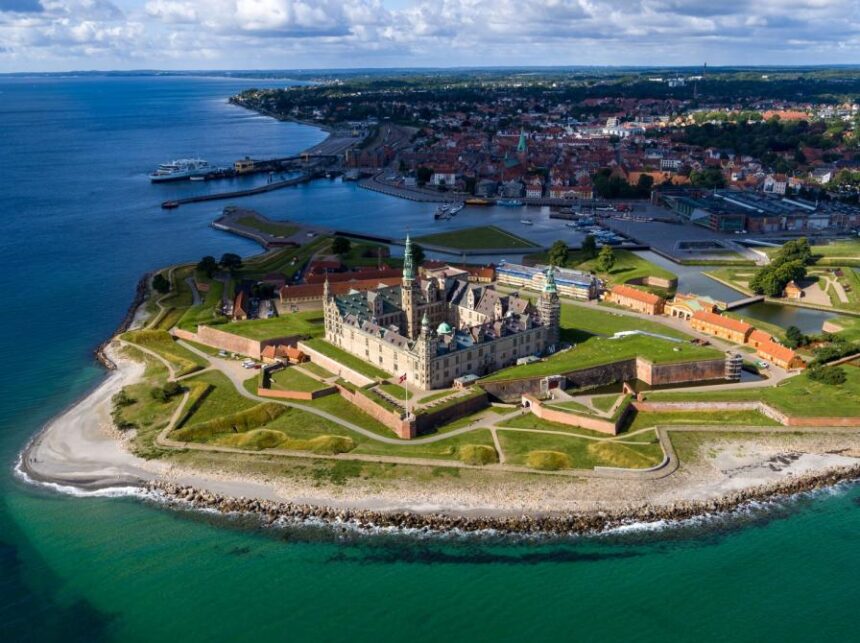
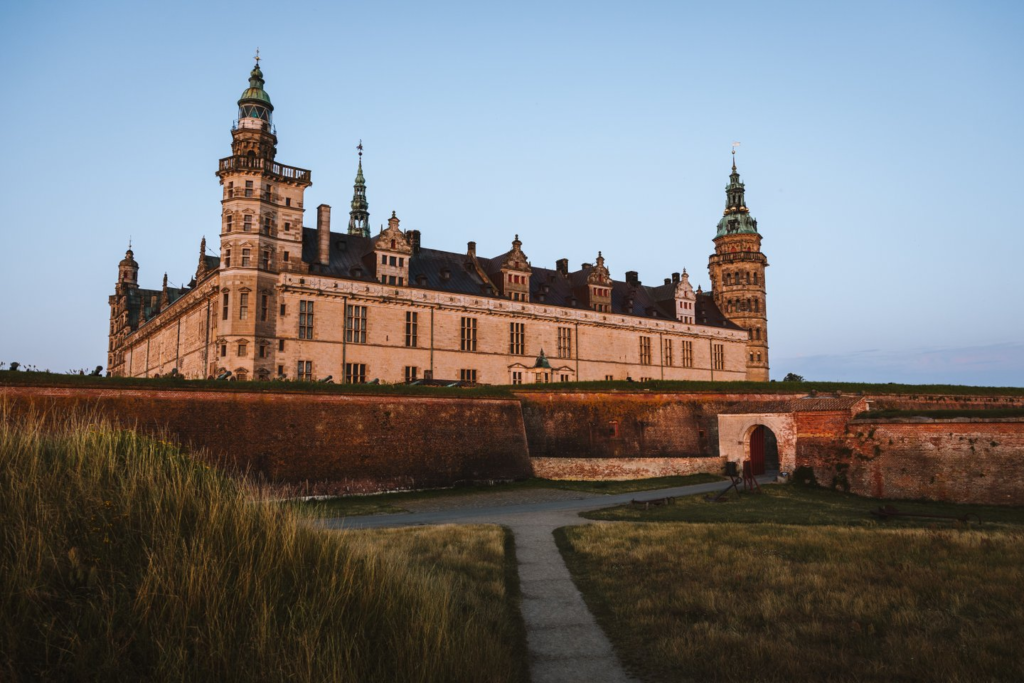
Dominating the absolute physical and visual tip of the coastal headland overlooking the roaring strait, this monumental Renaissance fortress stands proud as a UNESCO World Heritage site and a global literary landmark.
- What it is famous for: Being the real world setting of Elsinore in William Shakespeare tragedy Hamlet, and the historic guardian fortress that enforced the lucrative Sound Dues for four centuries. Rebuilt with grand sandstone facades and oxidized copper spires after a cataclysmic fire in 1629, the castle features a breathtaking 62 meter long banqueting hall and heavily armed coastal bastions facing the sea. Deep within its dark, subterranean casemates sits the colossal stone statue of Holger Danske (Ogier the Dane), a mythical warrior king who legend says will awaken to save the nation if Denmark is ever in existential danger.
2. M/S Maritime Museum of Denmark (M/S Museet for Søfart)
The Spectacular Architectural Sovereign of Sunken Dry Docks and Zigzagging Glass Galleries
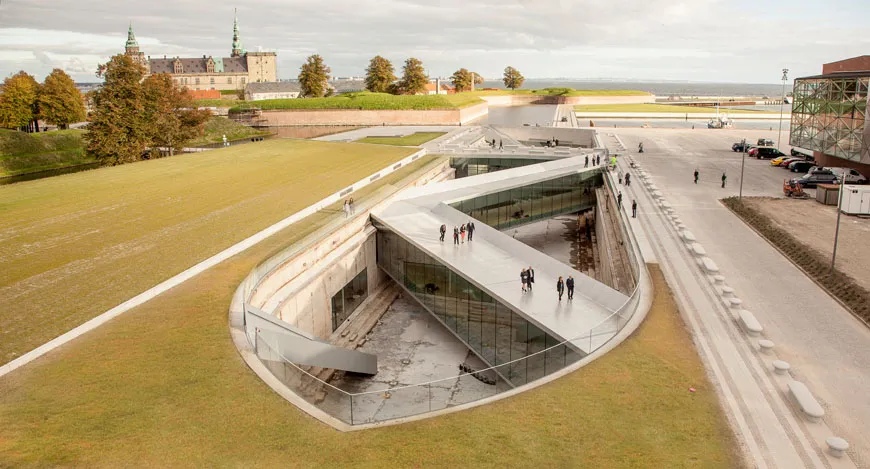
Sited dynamically right next to the castle grounds within a repurposed historic shipyard basin, this subterranean museum complex is an award winning triumph of modern engineering.
- What it is famous for: Its extraordinary invisible design built entirely underground inside a massive, sixty year old concrete dry dock, leaving the historic castle views completely unobstructed. Designed by world renowned architectural firm BIG (Bjarke Ingels Group), the museum features sleek, zigzagging glass and steel bridges that cut through the open air pit. Inside, interactive multi sensory galleries guide visitors through centuries of Danish global trade, utilizing atmospheric projections, ship models, and maritime artifacts to capture the romantic and harsh realities of life at sea.
3. The Culture Yard (Kulturværftet)
The Colossal Marine Matrix of Crystalline Glass Facades and Industrial Shipyard Stages
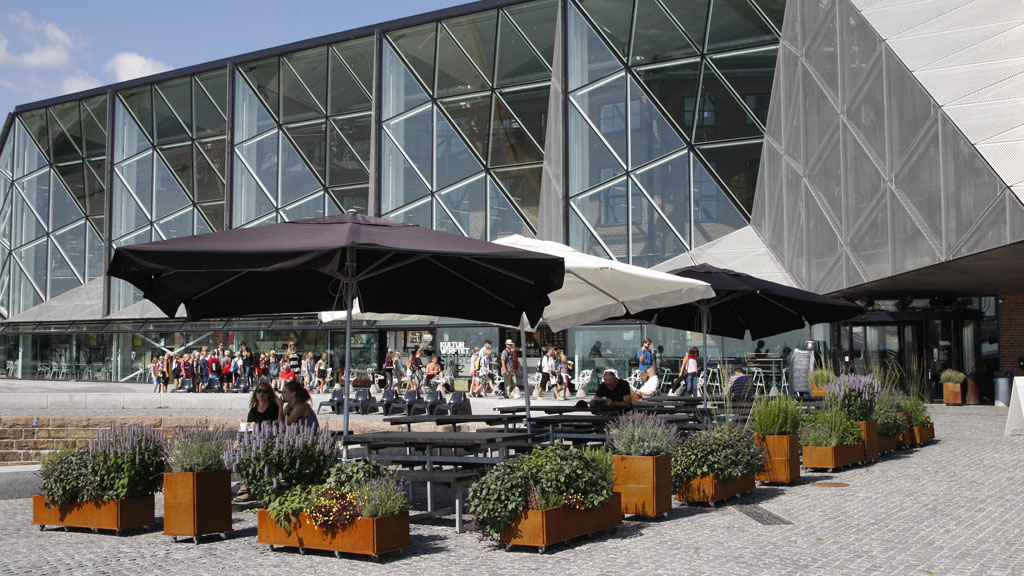
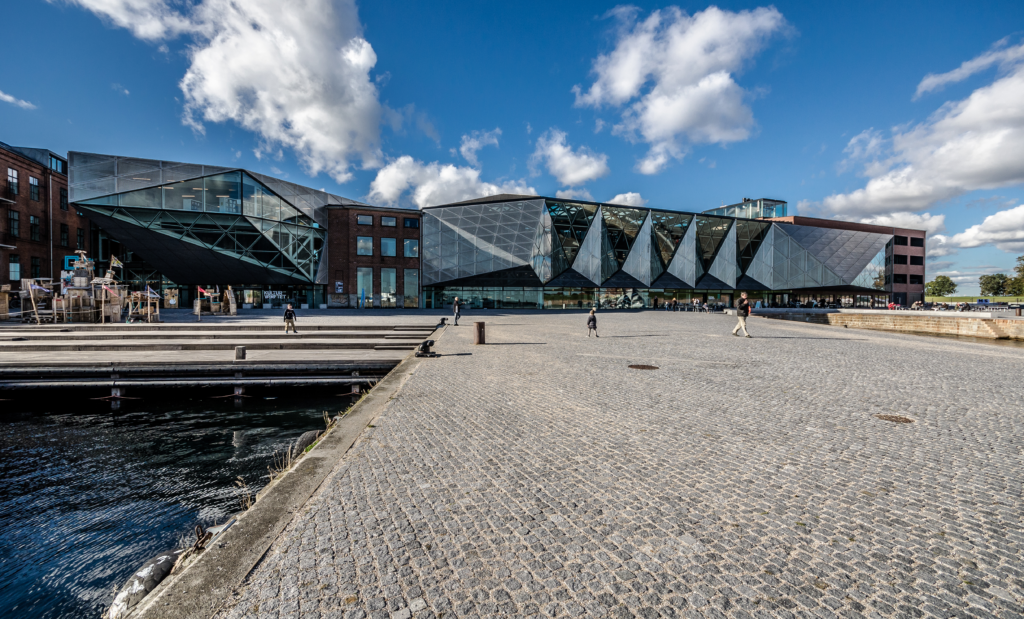
Commanding a prominent waterfront footprint directly between the old town center and the castle wharves, this massive cultural center represents the modern creative heart of the harbor.
- What it is famous for: Being a pioneering urban renewal project that transformed the grand, iron ribbed halls of the historic 1882 Helsingør Shipyard into a state of the art community complex. The building features a striking, multi faceted glass and steel skin that wraps around the old brick industrial workshops, housing expansive concert stages, a multi story media library, and sea view exhibition halls. It serves as the primary cultural living room of the waterfront, hosting regular international street food markets, contemporary design biennales, and open air theater festivals.
4. Stengade & The Historic Old Town
The Picturesque Walking Runway of Crooked Half Timbered Mansions and Hidden Courtyard Sagas
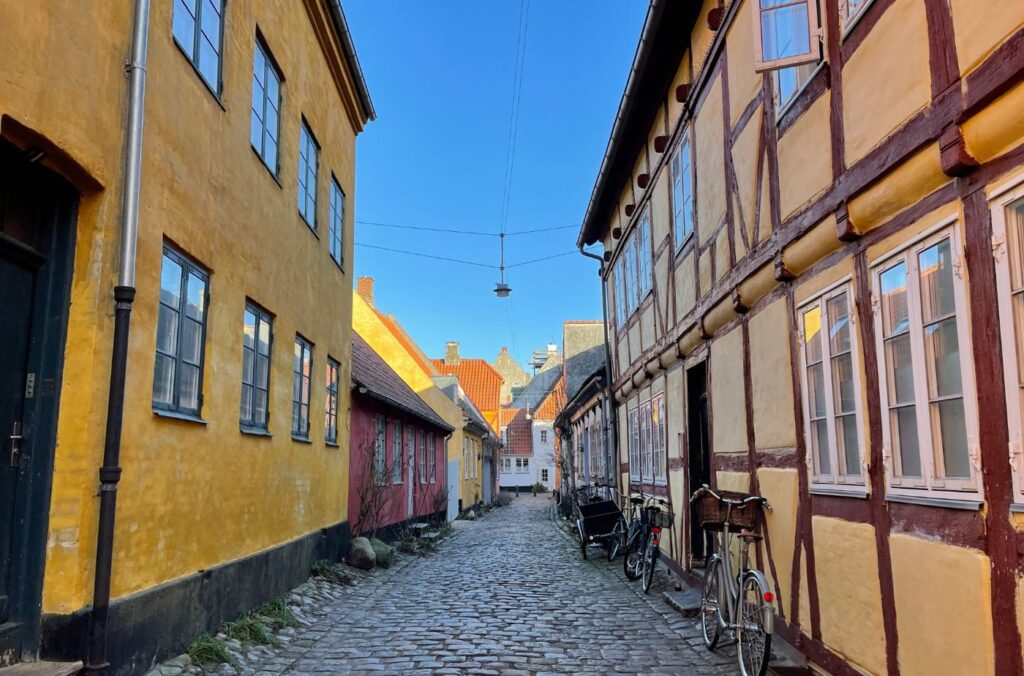
Slicing smoothly through the absolute historic core of the city grid just inland from the harbor docks, this vibrant pedestrian avenue represents one of the best preserved medieval merchant quarters in Denmark.
- What it is famous for: Its enchanting matrix of narrow streets lined with brightly painted half timbered brick houses and wealthy merchant residences dating from the 16th to the 18th centuries. Once a wealthy international hub packed with foreign diplomats, sea captains, and toll collectors, the neighborhood features building facades displaying ornate renaissance carvings and historic lifting cranes. Walking this cobblestone path takes travelers past cozy artisan workshops, local marzipan boutiques, and secret courtyard cafes where citizens gather to enjoy fresh coffee.
5. Priory of Our Lady (Vor Frue Kloster)
The Stately Gothic Sovereign of Crow Stepped Brick Gables and Monastic Garden Inlets
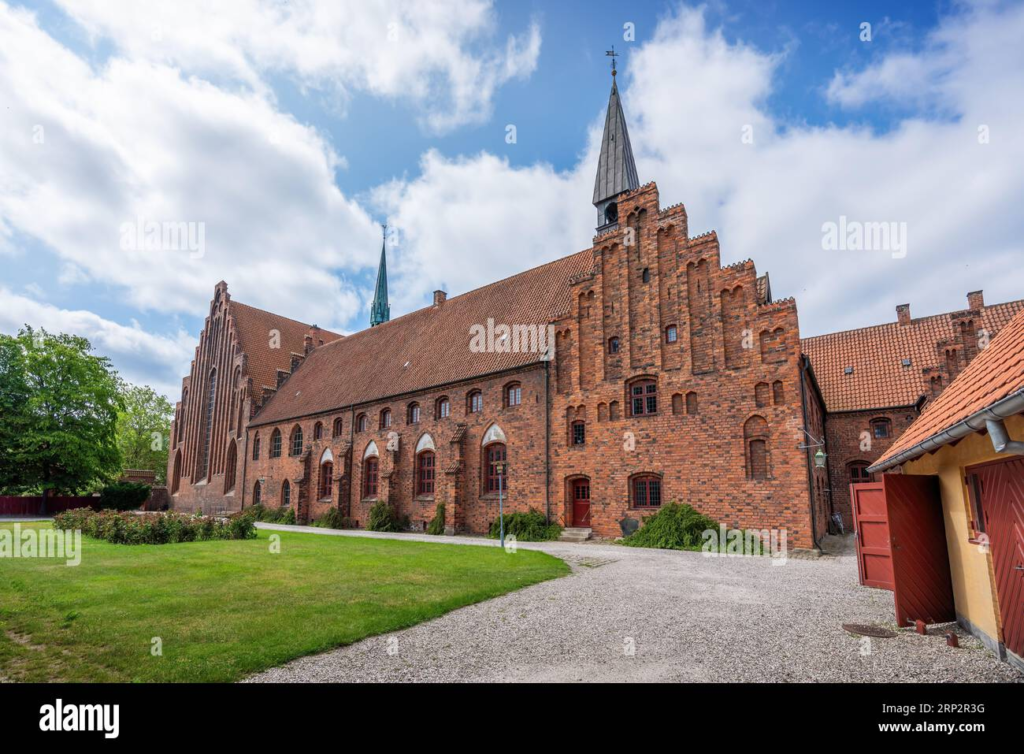
Commanding a peaceful stone platform on the northern edges of the old city center, this grand 15th century monastery complex represents the religious memory of the region.
- What it is famous for: Being the best preserved medieval monastic complex in Scandinavia, founded in 1430 by King Eric of Pomerania for the Carmelite friars. The red brick Gothic buildings feature striking crow stepped gables, a beautiful vaulted cloister walk, and a central courtyard garden filled with historic medicinal herbs. Following the Protestant Reformation, the complex was cleverly repurposed into a hospital and a home for elderly citizens, preserving its magnificent medieval fresco paintings and grand stone dining halls for modern visitors to explore.
6. Saint Olaf Church (Sankt Olai Kirke)
The Monumental Brick Gothic Sovereign of Oxidized Spires and Baroque Altar Tiers
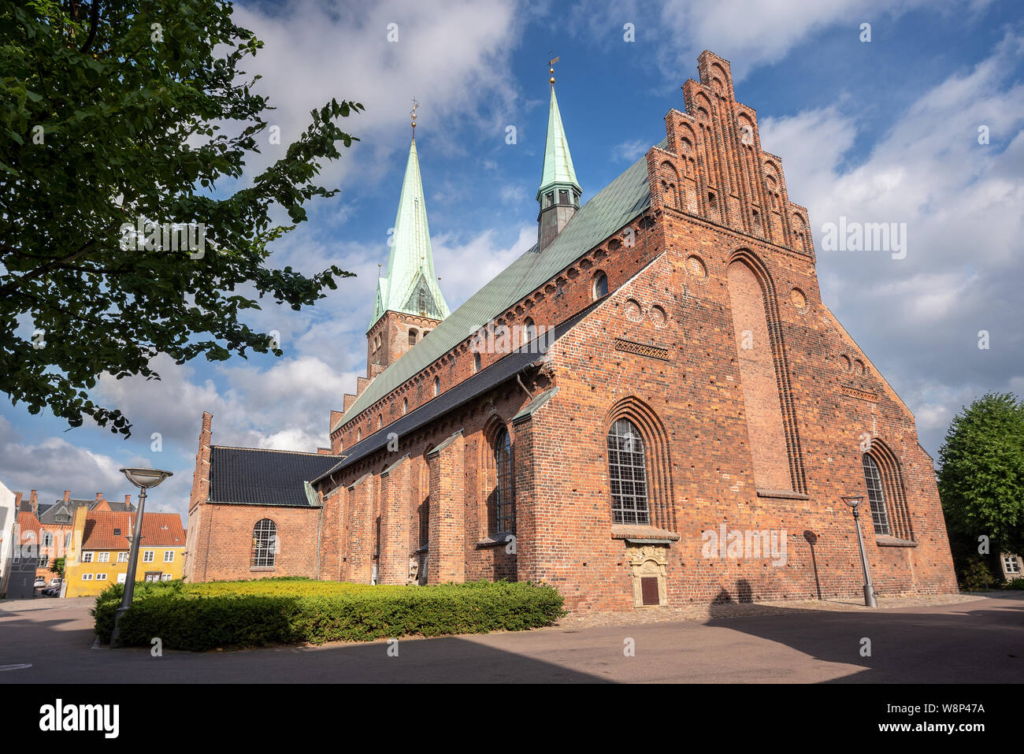
Dominating the central skyline of the old town grid with its sharp architectural angles, this majestic house of worship serves as the official cathedral of the Diocese of Helsingør.
- What it is famous for: Its deep historical roots stretching back to a small 13th century Romanesque chapel, expanded across generations into a grand brick Gothic cathedral completed in 1559. Named after King Olaf the Holy of Norway, the patron saint of sailors, the church features a soaring tower capped by a slender, oxidized green spire that served as a crucial navigation marker for Baltic ships. The light flooded interior houses a monumental, twelve meter high Baroque altarpiece carved from dark oak and an exquisite collection of historic silver votive ships hanging from the vaulted ceilings.
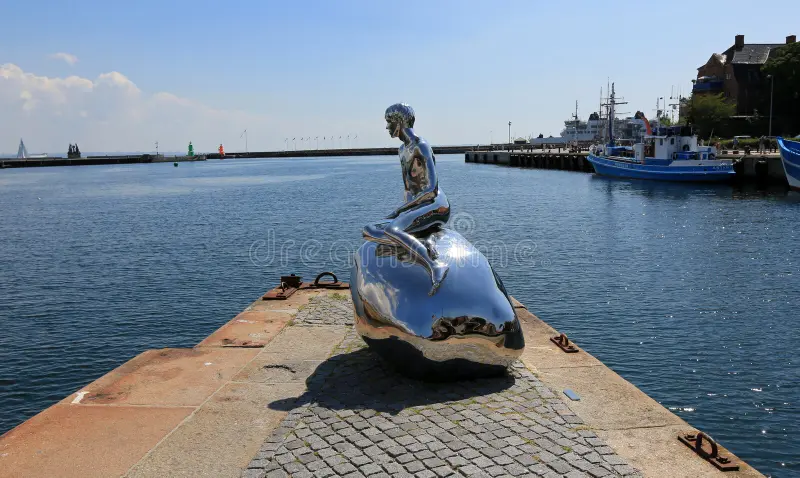
7. HAN (The Male Mermaid)
The Enigmatic Polished Steel Sentinel of Reflective Coastal Bazaars and Fjord Horizon Overlooks
Perched elegantly on a stone jetty directly along the bustling promenade of the central harbor basin, this contemporary public sculpture draws global design attention.
- What it is famous for: Being a striking modern male counterpart to Copenhagen iconic Little Mermaid statue, crafted entirely from highly polished, mirror finished stainless steel. Created in 2012 by the celebrated artist duo Elmgreen and Dragset, the sculpture depicts a young man sitting on a stone, reflecting the surrounding castle, sea, and sky on its metallic skin. The statue contains a specialized internal hydraulic mechanism that causes the eyes to blink once every hour, surprising onlookers and commenting on the nature of modern public monuments.
8. Denmark Technical Museum (Danmarks Tekniske Museum)
The Savory Cultural Repository of Vintage Supersonic Jets and Early Industrial Engine Vaults
Occupying a massive, 10,000 square meter industrial exhibition hall on the southwestern edges of the city, this comprehensive museum holds the technological soul of the nation.
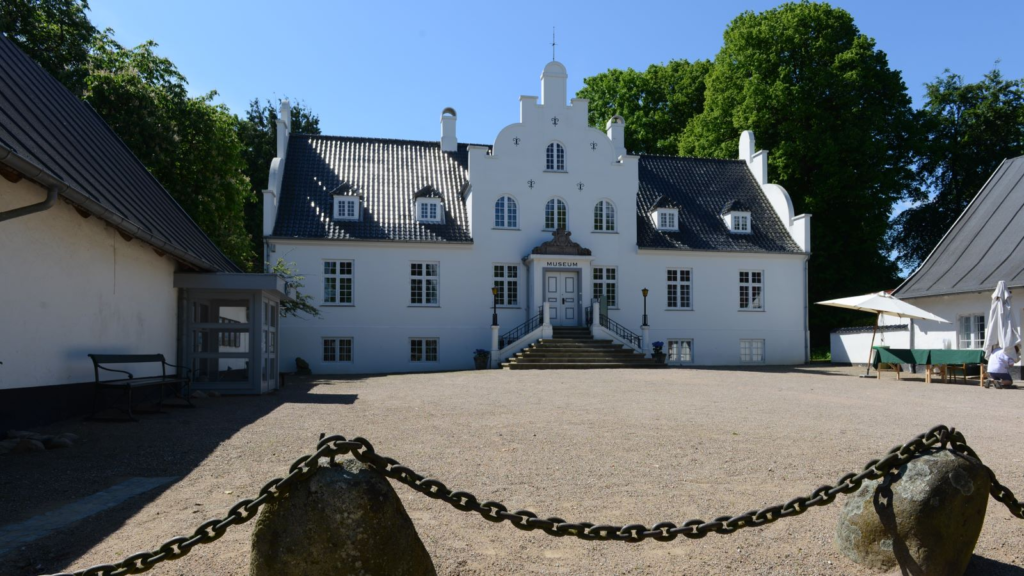
- What it is famous for: Housing an extraordinary collection of historic machinery, vintage airplanes, classic automobiles, and pioneering scientific inventions that shaped modern industrial life. The museum features the original aircraft built by aviation pioneer Jacob Ellehammer, a massive gallery of supersonic jet fighters used by the Danish air force, and early steam engines that powered the regional railways. It operates as a highly interactive educational space where visitors can operate antique telegraph machines and explore the mechanics of early subarctic transport.

9. Flynderupgård
The Enchanting Open Air Oasis of Historic Countryside Manors and Heirloom Livestock Trails
Sited dynamically within the sweeping green fields and protected forest paths of Espergærde just a short scenic drive south of the municipal core, this historic estate is an eco tourism haven.
- What it is famous for: Being a beautifully preserved 1920s country manor estate operating as a living history museum dedicated to the coastal farming and fishing cultures of North Zealand. The estate features a fully operational historic farmyard cultivated using traditional mid-century techniques, complete with rare heirloom breeds of Danish cattle, pigs, and sheep. Visitors can tour the mansion interiors to see how wealthy landowners lived, explore old fisherman huts, and dine at an onsite farm café that crafts dishes using seasonal vegetables picked straight from the historic gardens.
10. Marienlyst Palace (Marienlyst Slot)
The Stately Neoclassical Sovereign of Royal Pleasure Gardens and Sea Facing Sculpture Lawns
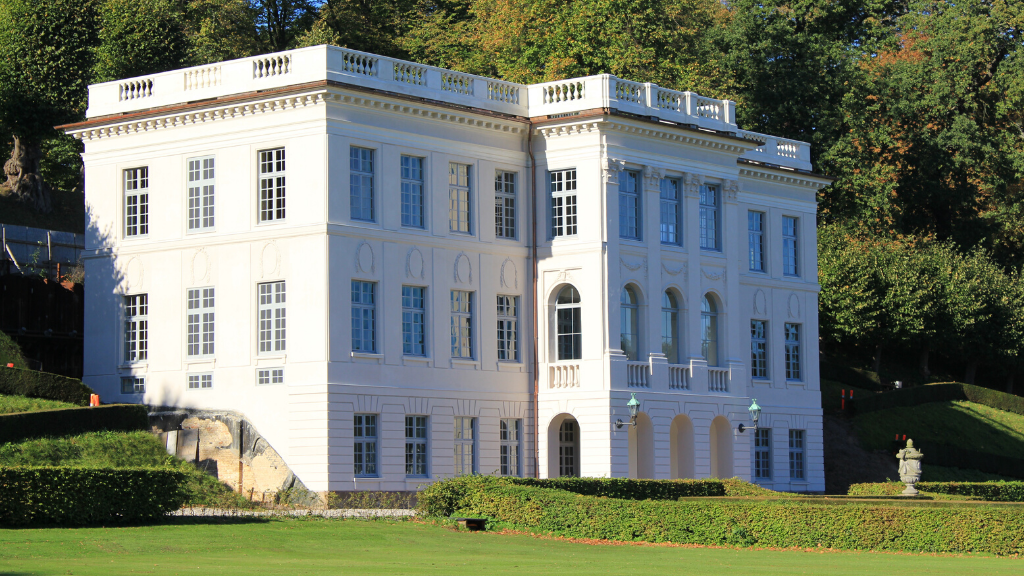
Nestled gracefully into a steep, tree fringed hillside terrace facing the open waters of the strait just north of the town center, this elegant palace is an architectural masterwork.
- What it is famous for: Being a stunning royal pleasure palace built in 1588 as a summer pavilion for King Frederik II, later remodeled in the 1760s into a masterpiece of French Neoclassical architecture. Named after Queen Juliane Marie, the palace features a perfectly symmetrical facade looking across formal hedge mazes and rose terraces toward the Swedish coastline. The surrounding public parkland serves as a premier summer relaxation lawn for city dwellers, who gather among classical statues to view the maritime traffic navigating the narrow water channels.
11. Værftets Madmarked (The Shipyard Street Food Market)
The Savory Cultural Repository of Global Gastronomy Stalls and Converted Mechanical Workshop Halls
Tucked quietly into Hall 21 of the historic industrial shipyard complex right on the central harbor edge, this bustling indoor food market is a culinary paradise.
- What it is famous for: Being the premier urban street food bazaar of the region, housing dozens of independent artisanal food stalls inside a monumental, iron girdered industrial workshop. The market maintains its raw industrial charm with vintage maritime crates, ship chains, and factory relics serving as communal dining tables. It operates as a vital social hub where locals and travelers sample fresh Baltic seafood bakes, authentic wood fired pizzas, and global street delicacies while listening to live acoustic music from local bands.