
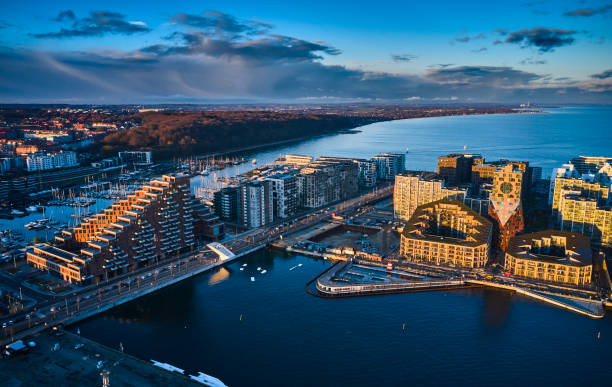
Aarhus, anchoring the absolute eastern coastal frontier of the Jutland Peninsula across the scenic, island studded Kattegat Sea, operates on a spectacular, amphitheater like urban layout where historic maritime roots meet avant garde green architecture.
Historically originating as a fortified 8th century Viking settlement named natively as Aros (The River Mouth), this Baltic stronghold evolved over centuries from a bustling trade outpost into the premier cultural, educational, and logistical engine of western Denmark.
Because the metropolis expanded gracefully around its historic river valley and sandy coastal bays rather than paving them over, it earned its permanent cultural title as the city of smiles and the undisputed center of modern Scandinavian youth culture and architectural innovation.
Today, Aarhus presents a striking architectural matrix where 14th century brick cathedrals and centuries old half timbered merchant structures stand alongside clean lined, geometric Nordic modernist complexes.
The city effortlessly pairs its deep maritime pedigree with a progressive, bohemian passion for social design, sustainable architecture, and a lively coastal lifestyle.
1. ARoS Aarhus Art Museum
The Iconic Architectural Sovereign of Panoramic Rainbow Skywalks and Avant Garde Galleries
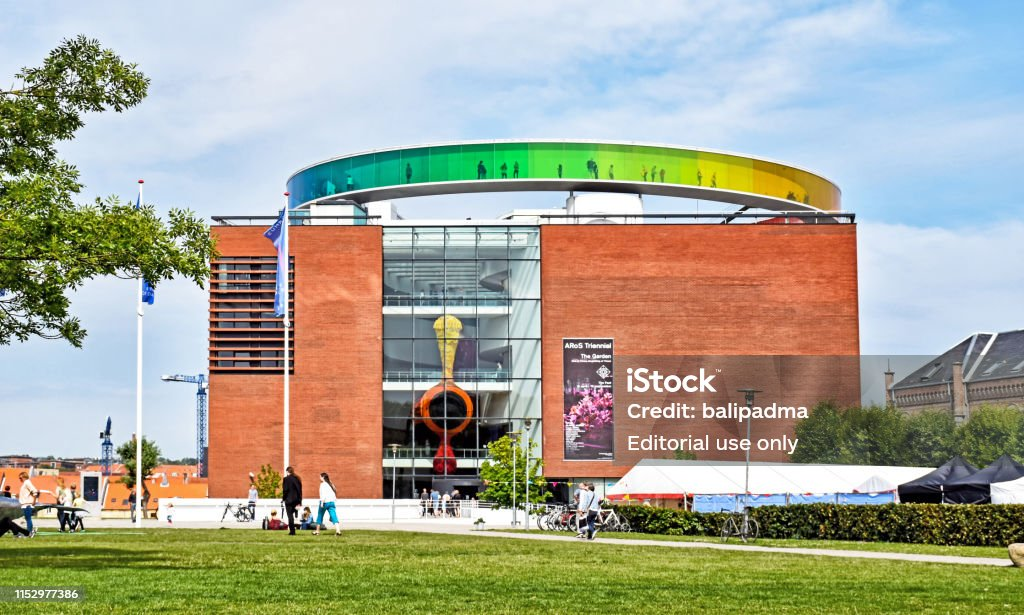
Dominating the absolute physical and visual crest of the central cultural quarter, this spectacular, block shaped museum complex stands proud as one of the largest art museums in northern Europe.
- What it is famous for: Its breathtaking rooftop installation Your Rainbow Panorama, a massive circular skywalk made of multi colored glass that offers panoramic views of the city. Designed by world renowned artist Olafur Eliasson, the skywalk allows visitors to walk through a continuous spectrum of light while looking out over the red roofs of Aarhus. Below the roof, the museum houses extensive collections of Danish art stretching from the golden age to cutting edge international installations, including Boy, a colossal five meter tall ultra realistic sculpture of a crouching boy by Ron Mueck.
2. Den Gamle By (The Old Town)
The Enchanting Open Air Oasis of Living History Mansions and Repurposed Century Old Shops
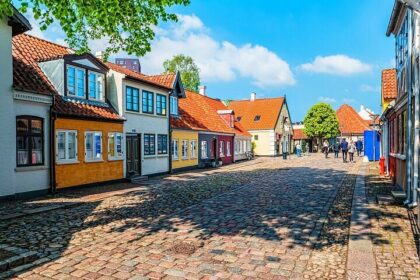
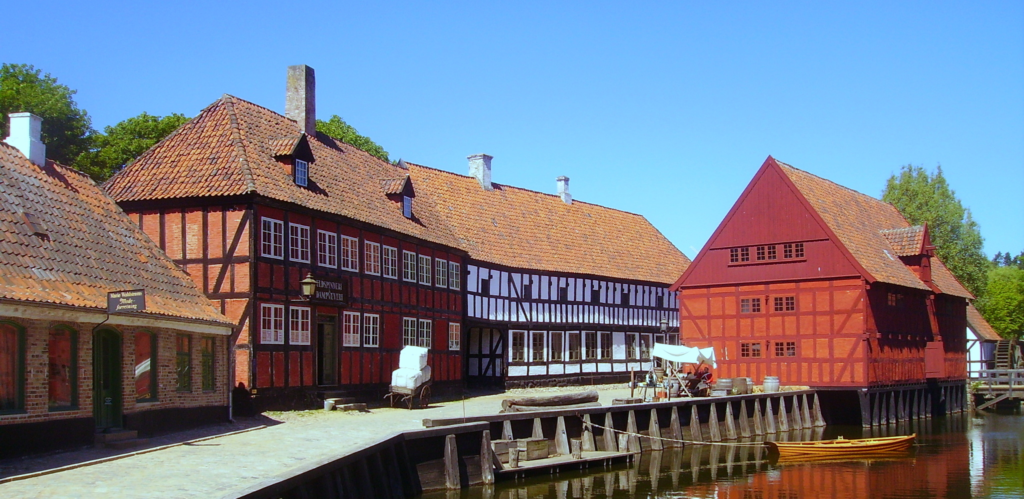
Commanding a massive, high profile footprint within the botanical garden quadrant just west of the city center, this historic open air museum is a preservation masterpiece.
- What it is famous for: Being the world first open air museum of urban history and culture, featuring over seventy authentic historic houses moved from towns all across Denmark. The museum functions as a living time machine structured into distinct eras, allowing visitors to walk from a 15th century half timbered merchant market into a bustling 1920s street complete with vintage cars and a fully operational 1974 neighborhood. Costumed actors bring the historic bakeries, workshops, and living rooms to life, creating an immersive journey through Danish daily life across the generations.
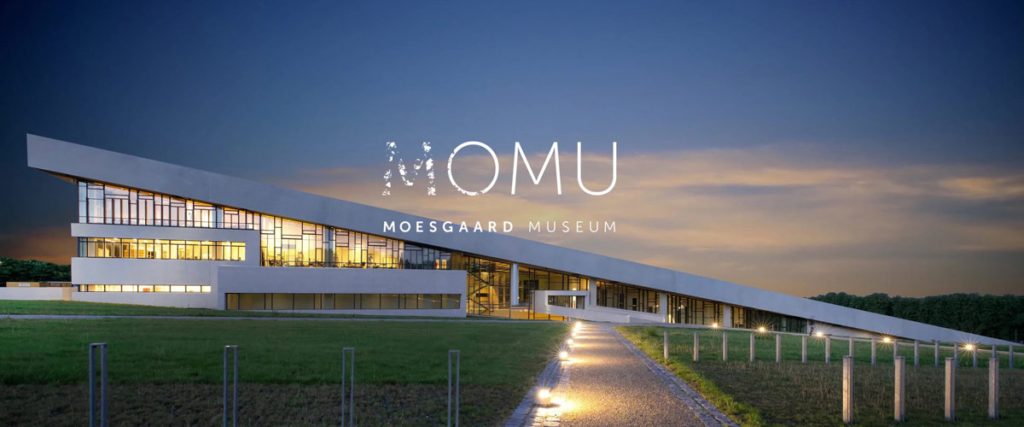
3. Moesgaard Museum (MOMU)
The Monumental Structuralist Sovereign of Sloping Grass Roofs and Iron Age Bog Bodies
Sited dynamically within the dense, ancient beech forests of Højbjerg just a short scenic drive south of the municipal core, this prehistory museum is an architectural marvel.
- What it is famous for: Its spectacular modernist building featuring a massive, sloping grass roof that rises naturally out of the hillsides, serving as a public walking platform. Inside, the museum houses world class archaeological exhibitions, highlighted by Grauballe Man, the incredibly preserved 2,300 year old bog body of an Iron Age man discovered nearby. The interactive galleries use advanced sensory displays and set designs to trace human evolution and the dramatic saga of the Viking warriors who sailed from the local shores.
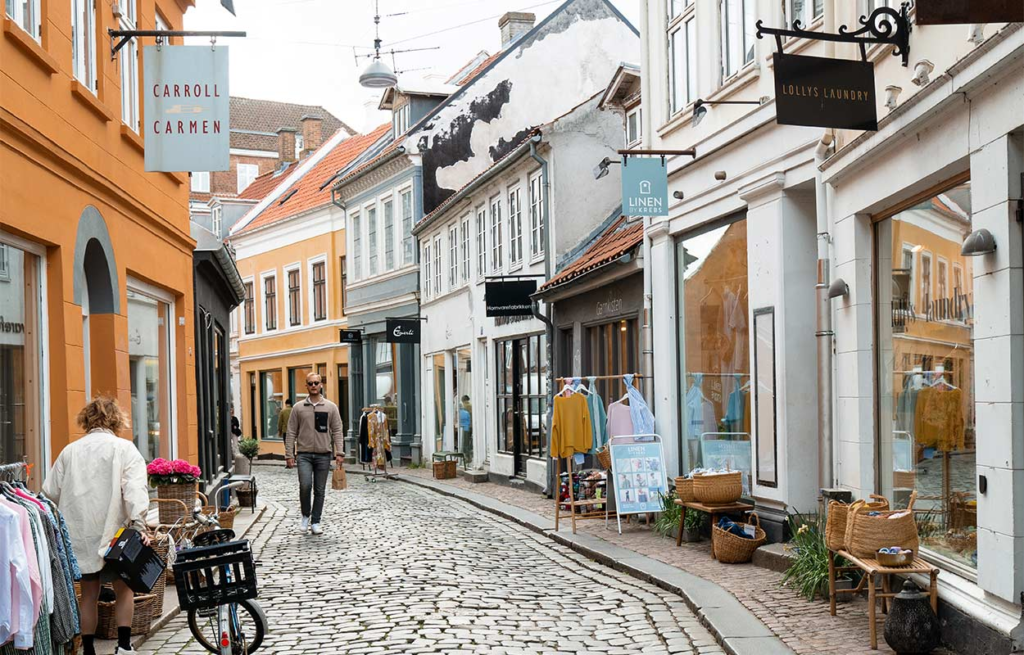
4. The Latin Quarter (Latinerkvarteret)
The Sprawling Retail Matrix of Cobblestone Lanes and Bohemian Artisan Courtyards
Slicing smoothly through the absolute historic core of the old city grid near the harbor, this vibrant neighborhood represents the oldest surviving quarter in Aarhus.
- What it is famous for: Its charming matrix of narrow cobblestone streets dating back to the late 14th century, lined with colorful half timbered houses and hidden courtyard boutiques. The bustling district functions as the creative soul of the city center, packed with independent fashion designers, local ceramic studios, and artisanal coffee roasters. Walking this historic path takes travelers past lively public squares filled with street musicians, where locals gather at outdoor cafes to enjoy fresh pastries and discuss art.
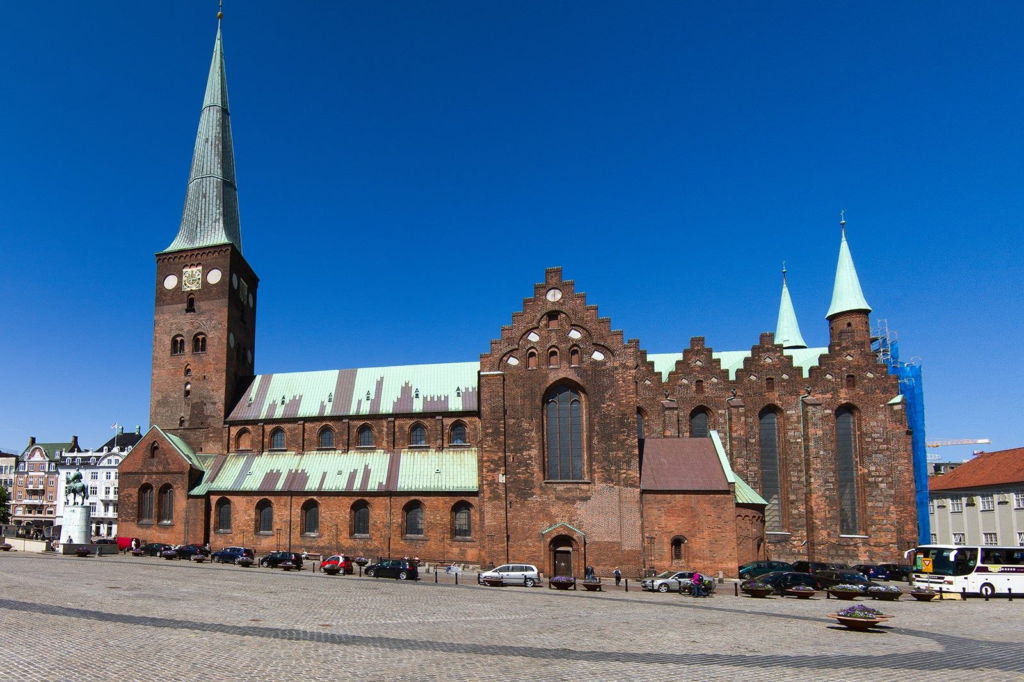
5. Aarhus Cathedral (Aarhus Domkirke)
The Stately Gothic Sovereign of Deep Brick Spires and Medieval Fresco Vaults
Dominating the grand, central public square of Store Torv in the heart of the old town, this majestic red brick cathedral stands proud as a monument to medieval faith.
- What it is famous for: Being the tallest and longest church in Denmark, stretching 93 meters in length with a soaring tower that dominates the coastal skyline. Dedicated to Saint Clement, the patron saint of sailors, the cathedral originated as a Romanesque basilica in the 12th century before being expanded into a grand Gothic brick masterpiece. Its light flooded interior contains the largest collection of medieval wall frescoes in the country, alongside an ornate 15th century altar carved by master German sculptor Bernt Notke.
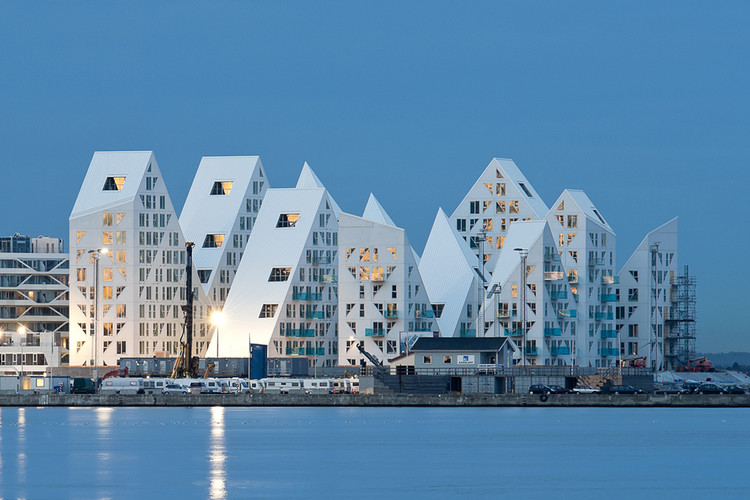
6. Isbjerget (The Iceberg)
The Colossal Marine Matrix of Sharp White Peaks and Blue Glass Ocean Balconies
Commanding a prominent waterfront footprint within the newly developed Aarhus Ø harbor district, this striking residential complex looks like a cluster of floating glaciers.
- What it is famous for: Its extraordinary avant garde design featuring sharp, crisscrossing white peaks and sea blue glass balconies that mimic the natural shapes of floating arctic icebergs. Completed in 2013 as a hallmark of modern Danish architectural innovation, the building layout ensures that all apartments receive optimal natural subarctic light and ocean views. The bold structure symbolizes the dramatic transformation of the old industrial cargo docks into a sustainable, design forward maritime living quarter.
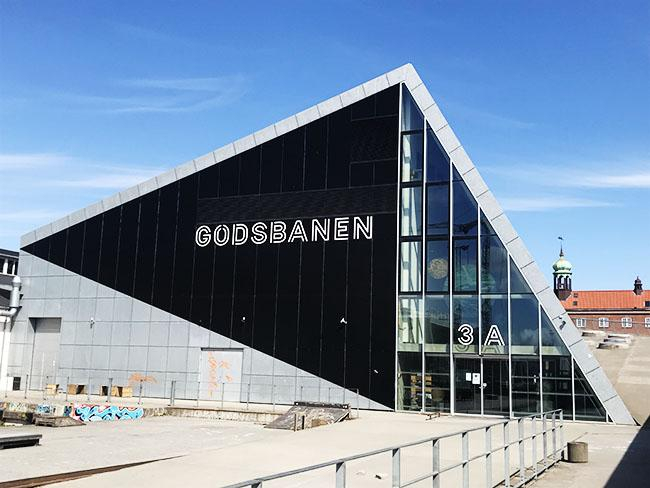
7. Godsbanen & Institute for X
The Radiant Industrial Matrix of Alternative Art Collectives and Hand Built Cultural Communes
Occupying a sprawling, repurposed railway freight yard compound on the western edge of the inner city, this bustling creative hub represents the raw modern soul of local arts.
- What it is famous for: Being a dynamic cultural incubator and self governing community where artists, skaters, and tech entrepreneurs build independent workshops inside shipping containers. The main industrial brick railway halls have been converted into public open access creative spaces for woodwork, metal, and printing. The surrounding festival grounds host regular flea markets, experimental street food stalls, and open air indie concerts, making it a major magnet for progressive social innovation.
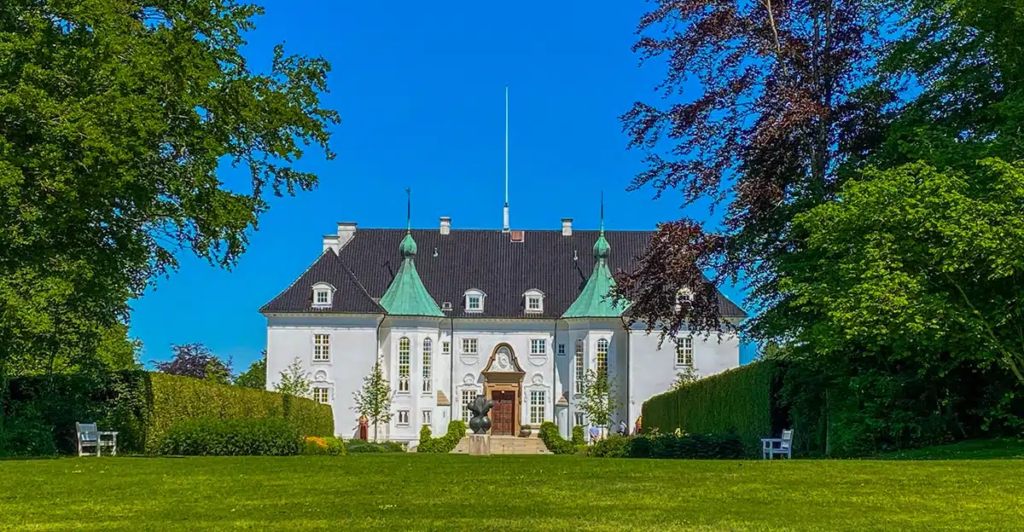
8. Marselisborg Palace & Memorial Park
The Elegant Royal Sovereign of White Summer Mansions and Queen Rose Garden Lawns
Nestled gracefully into the pristine, tree fringed expanses of the Marselisborg forests along the southern coastal roads, this romantic palace is a masterwork of historic architecture.
- What it is famous for: Serving as the official summer residence of the Danish Royal Family, featuring beautiful English style palace gardens overlooking the sea. Built in 1902 as a wedding gift from the Danish people to Prince Christian and Princess Alexandrine, the white palace exterior opens into private royal quarters. When the royal family is not in residence, the vast palace grounds, rose gardens, and modern sculpture parks are open to the public, drawing visitors who come to walk the peaceful woodland paths.
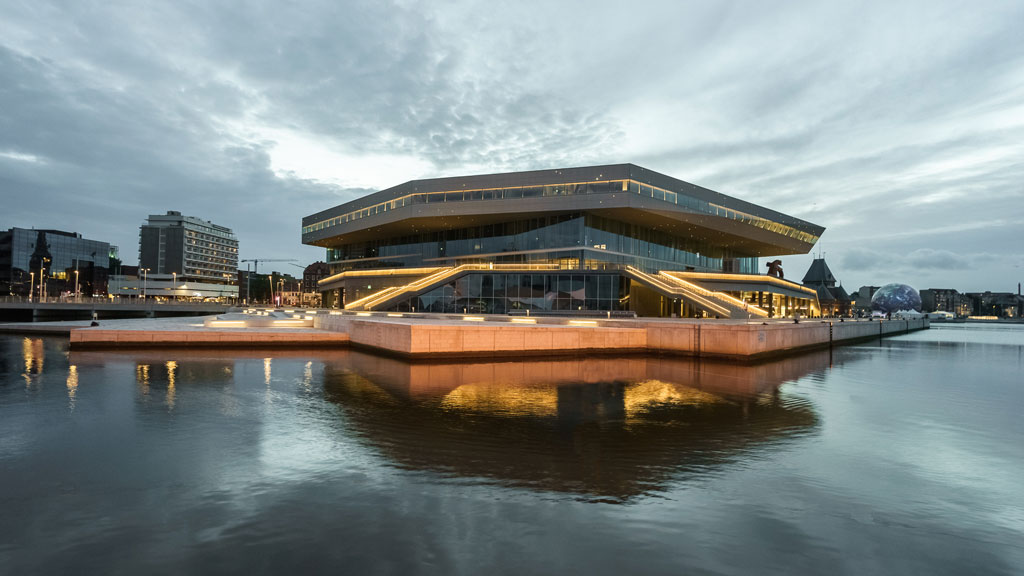
9. Dokk1
The Breathtaking Minimalist Palace of Urban Media Spaces and Giant Harbor Bells
Sited dynamically right at the mouth of the Aarhus River on the active central harbor front, this massive, futuristic glass and steel complex is a monument to public civic design.
- What it is famous for: Being the largest public library and media culture center in Scandinavia, built as a pioneering model for democratic urban spaces. The building features an innovative polygonal layout that floats over the waterfront, housing interactive play zones, study lofts, and municipal service stations. A unique feature inside the central atrium is a colossal three meter long bronze pipe bell connected to the local hospital, which rings a gentle tone every time a child is born in the city.
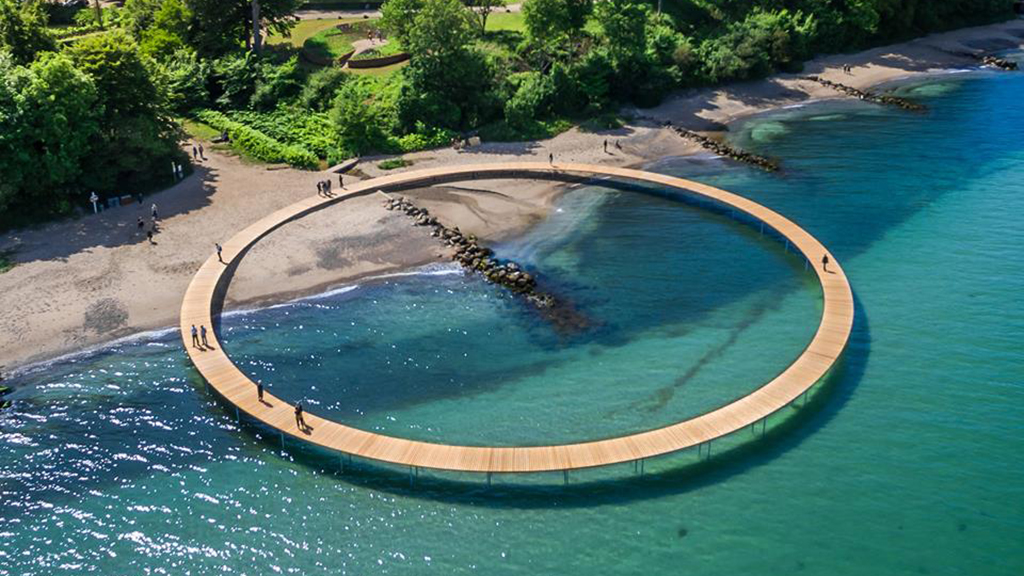
10. Infinite Bridge (Den Uendelige Bro)
The Pristine Ocean Sanctuary of Circular Wooden Piers and Forest Beach Horizons
Floating gracefully like a wooden ring over the shallow coastal waters of Varna Beach just south of the city, this unique architectural bridge is a favorite summer landmark.
- What it is famous for: Its spectacular circular wooden pier structure that extends out into the Aarhus Bugt sea before curving smoothly back onto the sandy forest shoreline. Originally built as a temporary art installation for a local sculpture biennale, the bridge became so beloved by citizens that it was made a permanent seasonal feature. Walking the endless circular path provides a therapeutic sensory experience, allowing travelers to transition seamlessly from the shade of the beech forest to panoramic views over the ocean waves.
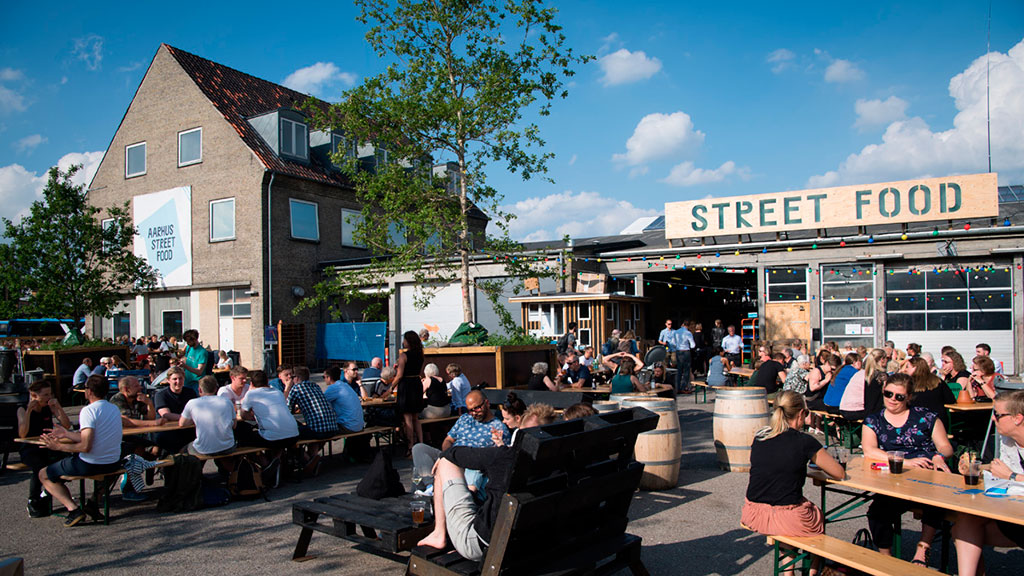
11. Aarhus Street Food
The Savory Cultural Repository of Global Culinary Bazaars and Converted Garage Halls
Occupying a massive, historic bus garage building right next to the central transport hub, this bustling indoor food market is a culinary paradise.
- What it is famous for: Being the premier urban gastronomy market of Jutland, housing over thirty independent artisanal food stalls inside an industrial garage space. The market operates as a spectacular global kitchen, serving up premium plates of traditional Danish pork rolls, Vietnamese street food, and fresh wood fired pizzas made with local ingredients. It functions as a vital daily social hub where students, travelers, and city dwellers gather to eat and socialize at long communal wooden tables.