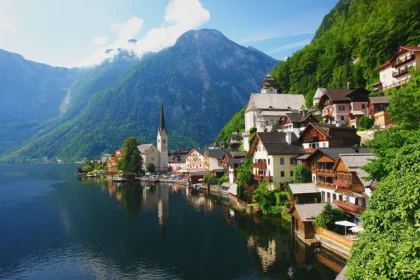

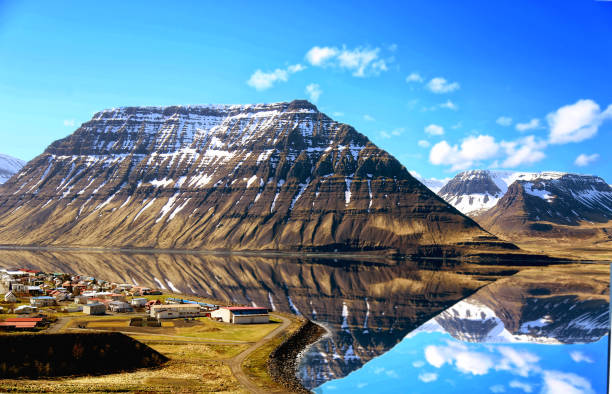
Ísafjörður, anchoring the absolute northwestern volcanic frontier of Iceland as the undisputed regional capital of the Westfjords, operates on a spectacular, isolated layout built upon a curved gravel spit (eyri) extending deep into Skutulsfjörður.
Historically established as a premier trading outpost by the Danish Crown in the 16th century, this subarctic harbor uniquely features the most cohesive, oldest surviving collection of timber frame merchant structures in the nation.
Because it remains tightly hemmed in on three sides by near vertical, 700 meter high table mountains carved by ancient ice age glaciers, it evolved into an epic center of high latitude mountaineering, deep sea fishing fleets, and vibrant subarctic culture.
Today, Ísafjörður presents a striking urban matrix where multi colored corrugated iron homes crowd onto narrow, windswept streets that meet an active commercial fishing dock.
The city effortlessly pairs its deep, gritty maritime history with a surprisingly cosmopolitan, bohemian social scene that hosts international music festivals and avant garde outdoor races.
1. The Westfjords Heritage Museum (Turnhúsið)
The Monumental Architectural Sovereign of 18th Century Danish Timber and Whaling Relics
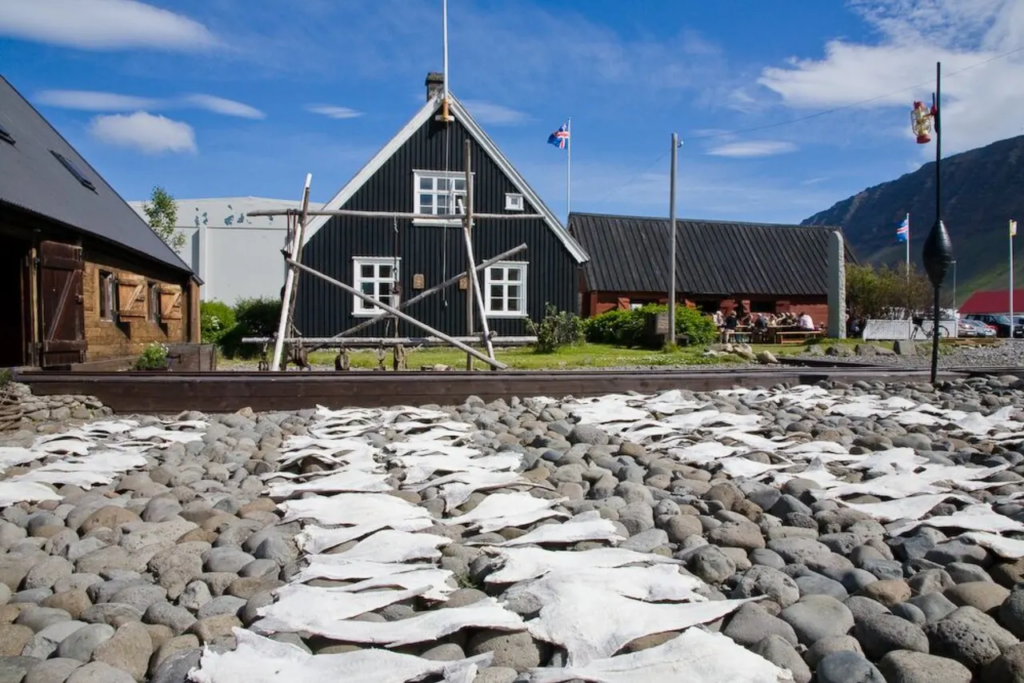
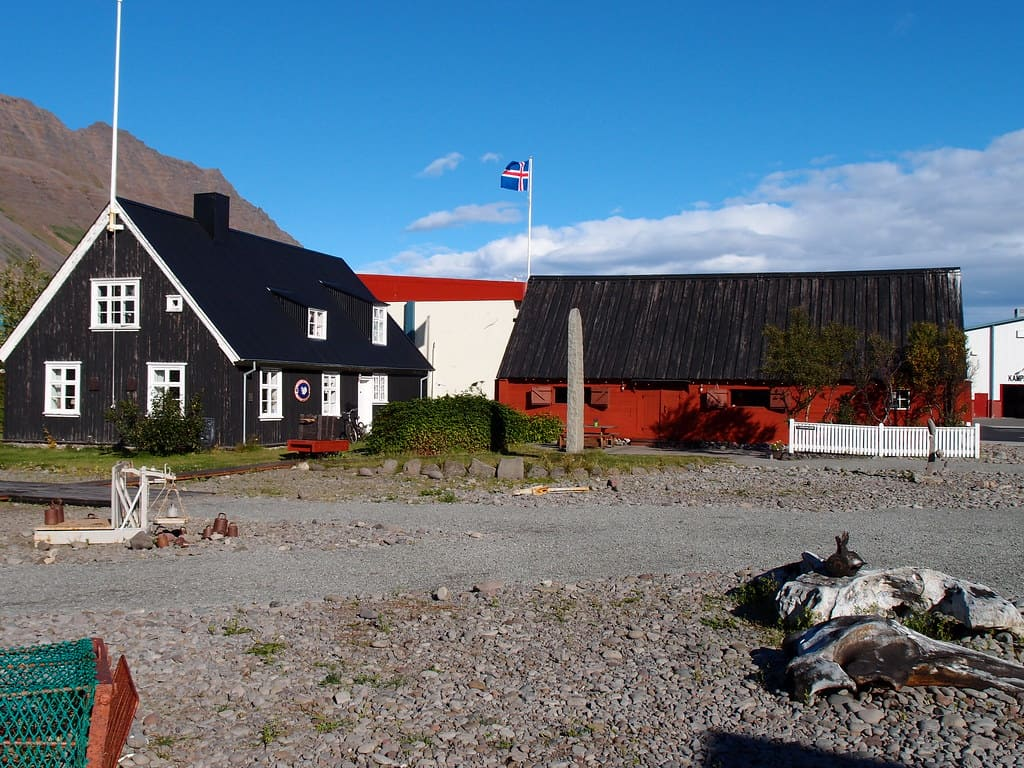
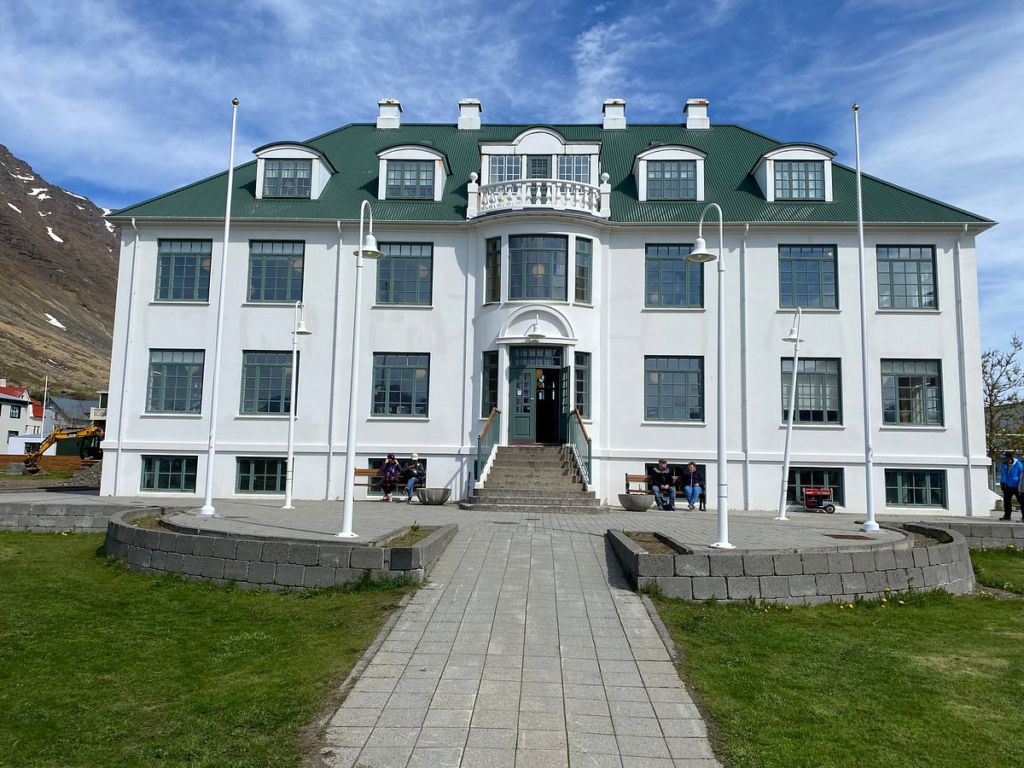
Dominating the extreme tip of the historic Neðstikaupstaður commercial spit, this pitch black, heavy log warehouse stands proud as the absolute historical anchor of the town.
- What it is famous for: Being part of the oldest intact trading post complex in Iceland, meticulously preserved to show the brutal realities of early arctic fishing life. Built natively by Danish merchants in 1734, Turnhúsið houses an extraordinary collection of vintage fish drying tools, historic iron harpoons, and traditional wooden rowboats that braved the North Atlantic. Visitors can walk over creaking floorboards to explore exhibitions detailing the historic salt cod trade and the daring polar whale hunting expeditions that built the region.
2. Dynjandi Waterfall
The Colossal Panoramic Cascade of Seven Tiered Basalt Veils and Bridal Veil Horizons
Sited dynamically within the deep wilderness fjords roughly an hour and a half drive south of the Ísafjörður municipal core, this monumental natural feature is an environmental masterpiece.
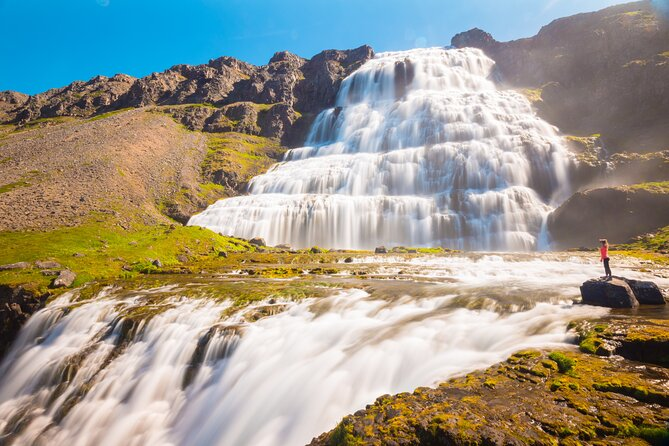
- What it is famous for: Being the jewel of the Westfjords, often described as a majestic bridal veil of water cascading down a 100 meter high stepped basalt cliff. The waterfall is uniquely trapezoidal, measuring 30 meters wide at the top and expanding smoothly to over 60 meters wide at its roaring base. A well maintained mountain walking trail leads hikers past six smaller, underlying pristine waterfalls, each with its own folkloric name, culminating in a dramatic view platform right at the misty base of the primary torrent.
3. Hornstrandir Nature Reserve (Base Camp Ísafjörður)
The Sprawling Arctic Wilderness Matrix of Cliffside Sea Bird Colonies and Wild Arctic Foxes
Spreading grandly across the absolute northernmost peninsula of the Westfjords, accessible strictly via seasonal expedition boats departing directly from the Ísafjörður docks, this reserve is a nature haven.
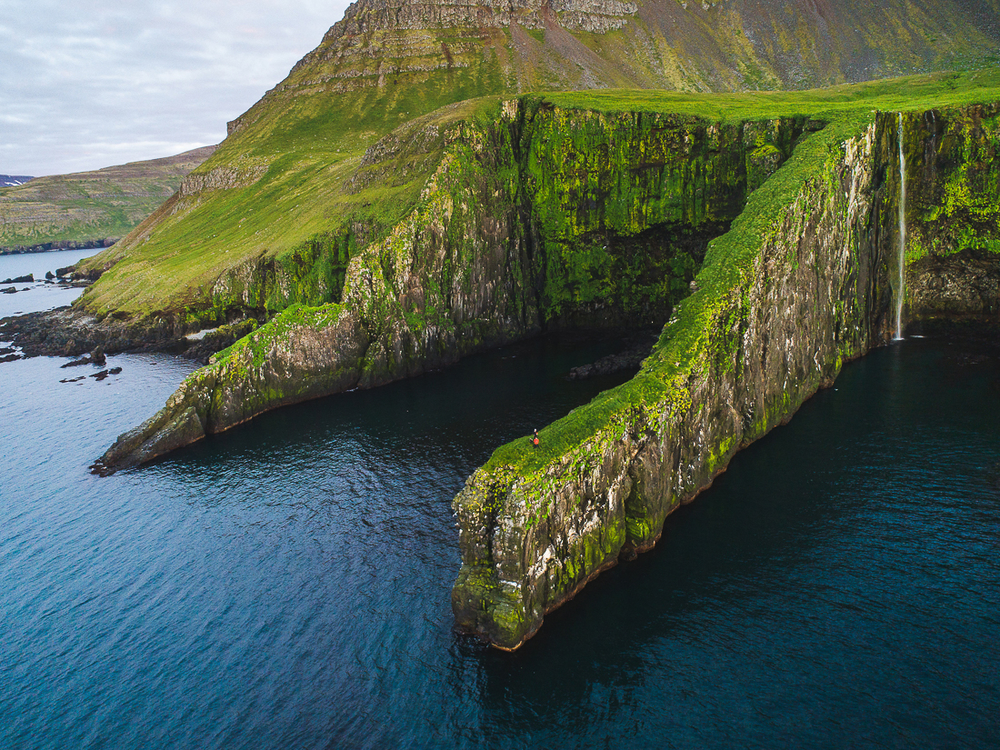
- What it is famous for: Being Iceland’s ultimate, completely untamed wilderness sanctuary, featuring soaring 500 meter high bird cliffs and thriving populations of protected Arctic Foxes. Completely abandoned by human settlers in the mid 20th century, the reserve has no roads, meaning hikers must navigate raw tundra trails and alpine mountain passes. The cliffs of Hornbjarg swarm with millions of nesting puffins, guillemots, and razorbarks, offering a premier glimpse into a pristine subarctic eco zone.
4. Tjöruhúsið
The Savory Cultural Repository of Cast Iron Frying Skillets and Fresh Caught Fjord Fish Feasts
Tucked quietly inside a masterfully restored 1781 timber merchant building adjacent to the heritage museum, this rustic tavern provides an unforgettable culinary experience.
- What it is famous for: Being globally celebrated as one of the finest, most authentic seafood restaurants in Europe, operating on a communal, family style buffet system. There is no fixed menu, as chefs cook whatever local fishermen catch and bring to the docks that very morning, ranging from ocean wolffish to Atlantic cod and sweet langoustines. The dishes are brought out sizzling hot in massive cast iron skillets, seasoned simply with fresh herbs, garlic butter, and local wild berries, shared across long candlelit wooden tables.
5. Bolafjall Mountain Viewpoint
The Breathtaking Glass Edge Platform of Sky Piercing Horizon Cliffs and Polar Ocean Vistas
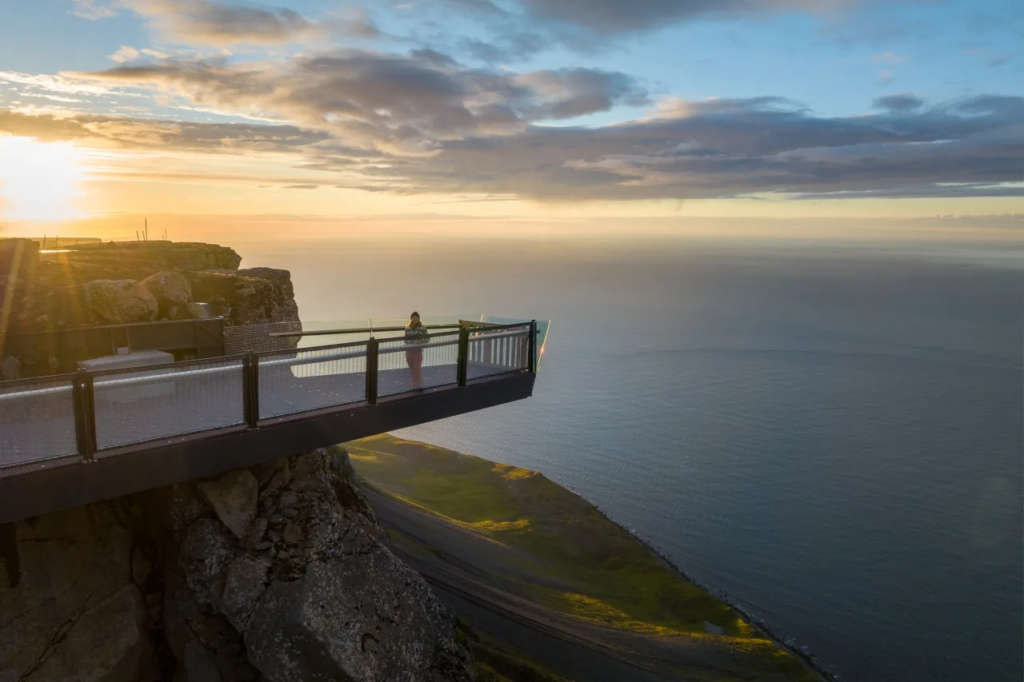
Perched elegantly on a towering mountain plateau near the nearby fishing village of Bolungarvík, just a twenty minute drive through coastal tunnels from Ísafjörður, this structure is an architectural marvel.
- What it is famous for: Its extraordinary, steel and glass viewing platform that projects out over a sheer 600 meter drop, offering views stretching all the way to Greenland on clear days. Formerly used exclusively as a strategic Cold War radar tracking station, the peak has been equipped with a jaw dropping pedestrian skywalk. Standing at the edge provides a sensory rush as subarctic winds buffet the cliff face while travelers look straight down into the deep blue ocean waves crashing against the mountain base.
6. Jón Sigurðsson Museum (Hrafnseyri)
The Stately Cultural Repository of National Independence Sagas and Turf Roofed Birthplaces
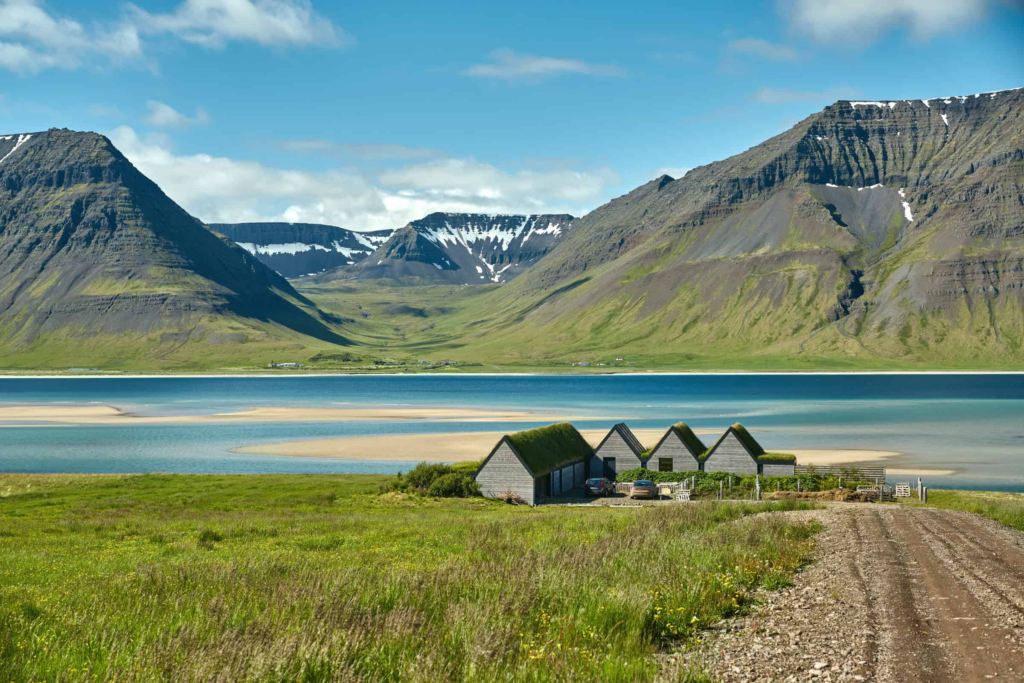
Sited dynamically along the rugged, windswept shores of Arnarfjörður along the scenic wilderness highway system, this historic estate holds the absolute political soul of the nation.
- What it is famous for: Being the official birthplace and ancestral estate of Jón Sigurðsson, the revered leader of the 19th century Icelandic independence movement. The cultural complex features an authentic, meticulously reconstructed turf roofed farmhouse alongside a modernist museum building that documents his lifelong struggle for freedom from Danish rule. Visitors can sample traditional home baked rye bread pancakes at the onsite chapel café while absorbing the historic atmosphere of the fjord.
7. The Culture House (Gamla Sjúkrahúsið)
The Radiant Architectural Matrix of Sunlit Art Galleries and Historic Public Library Lofts
Dominating a prominent public corner right in the heart of the older commercial town grid, this grand, dark painted timber mansion anchors the local fine art scene.
- What it is famous for: Serving as the historic old town hospital built in 1925, completely repurposed into a multi floor municipal art library and gallery space. The beautifully restored interior features original heartwood pillars and wide window frames that look out over the mountain walls. It hosts regular contemporary art exhibitions highlighting Westfjords photographers, sculptors, and painters, while its archival vaults preserve rare regional manuscripts and historical sea maps.
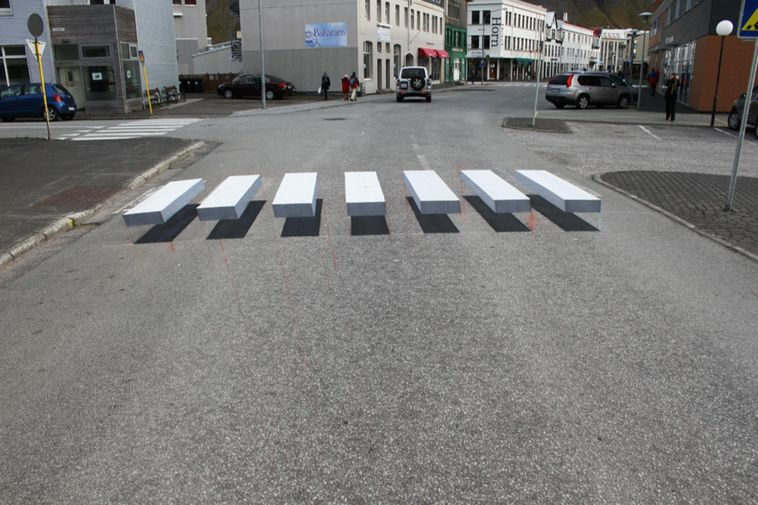
8. Ísafjarðardúkka (The Ísafjörður 3D Pedestrian Crossing)
The Quirky Interactive Paint Matrix of Floating Optical Illusions and Urban Traffic Art
Sited right on a quiet residential street corner within the historic old quarter grid, this innovative pavement installation represents a modern playful touch.
- What it is famous for: Being the very first 3D optical illusion pedestrian crosswalk in Iceland, designed to naturally slow down neighborhood vehicular traffic through street art. Painted using precise geometric perspectives, the classic white zebra stripes appear to be floating magically several inches off the asphalt as you approach them. It serves as an incredibly popular interactive spot for travelers, who position themselves to pose for photos that look as though they are balancing precariously on concrete blocks over the street.
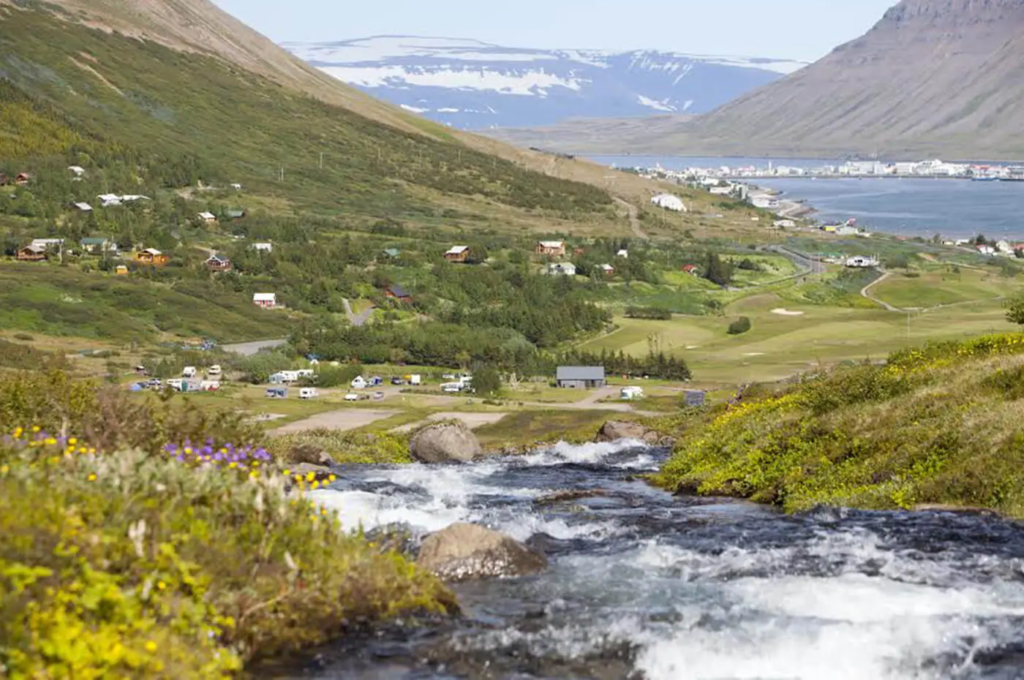
9. Tungudalur Waterfall and Recreation Area
The Peaceful Botanical Sanctuary of Conifer Groves and Summer Lupine Wildflower Trails
Occupying a massive, verdant valley basin located just a short five minute drive inland from the main harbor spit, this mountain glen is a major local nature haven.
- What it is famous for: Its spectacular, multi tiered mountain streams that cascade down into a rare forest environment filled with towering lupine wildflowers. The valley serves as the primary outdoor playground for the town, packed with professional golf courses, wooden summer cottages, and a dense network of hiking trails. Throughout the summer months, the entire valley floor blushes bright purple with blooming arctic lupines, offering a refreshing nature contrast to the stark basalt cliffs.
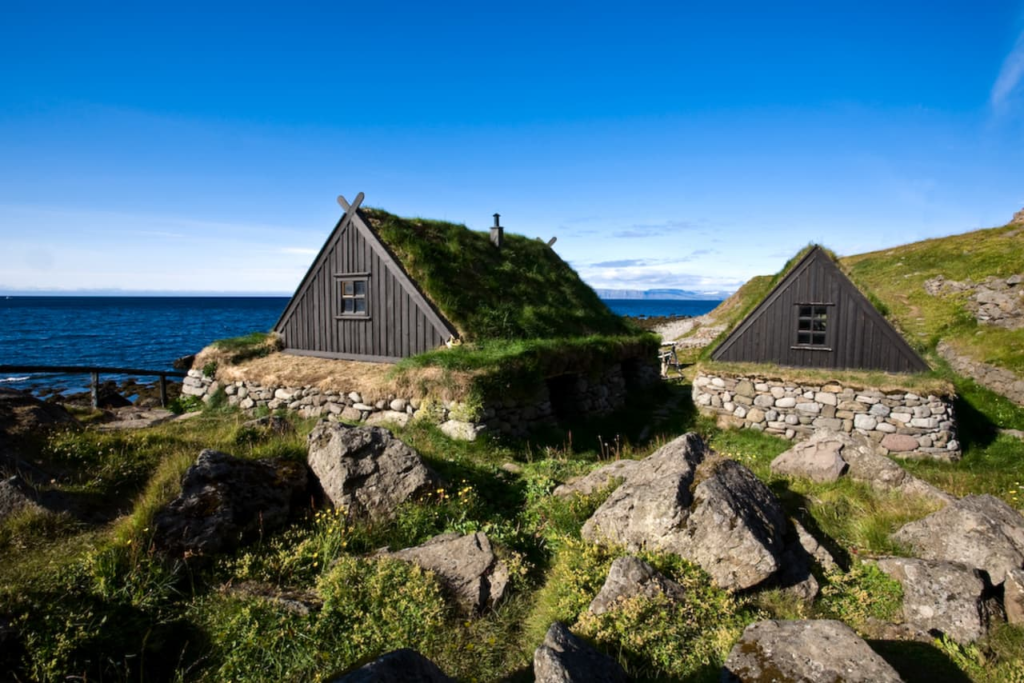
10. Ósvör Maritime Museum
The Ancient Stone Sentinel of Double Gabled Fishing Sheds and Salted Fish Flake Sagaland
Sited right on a rugged, wave battered pebble beach at the absolute entrance to the Bolungarvík harbor bay, this open air museum is an authentic time capsule.
- What it is famous for: Being a flawless reconstruction of an 19th century Icelandic fishing station, featuring traditional stone and turf double gabled curing sheds. The museum features an original wooden six oared fishing boat, the Ölver, alongside open air timber racks used for drying salted fish flakes in the subarctic wind. A curator dressed in a historic, hand stitched raw leather sheepskin suit demonstrates how early fishermen survived freezing winter storms using primitive equipment.
11. Skutulsfjörður Mountain Tunnels (Vestfjarðagöng)
The Colossal Tectonic Matrix of Y-Shaped Rock Vaults and Deep Mountain Fissures
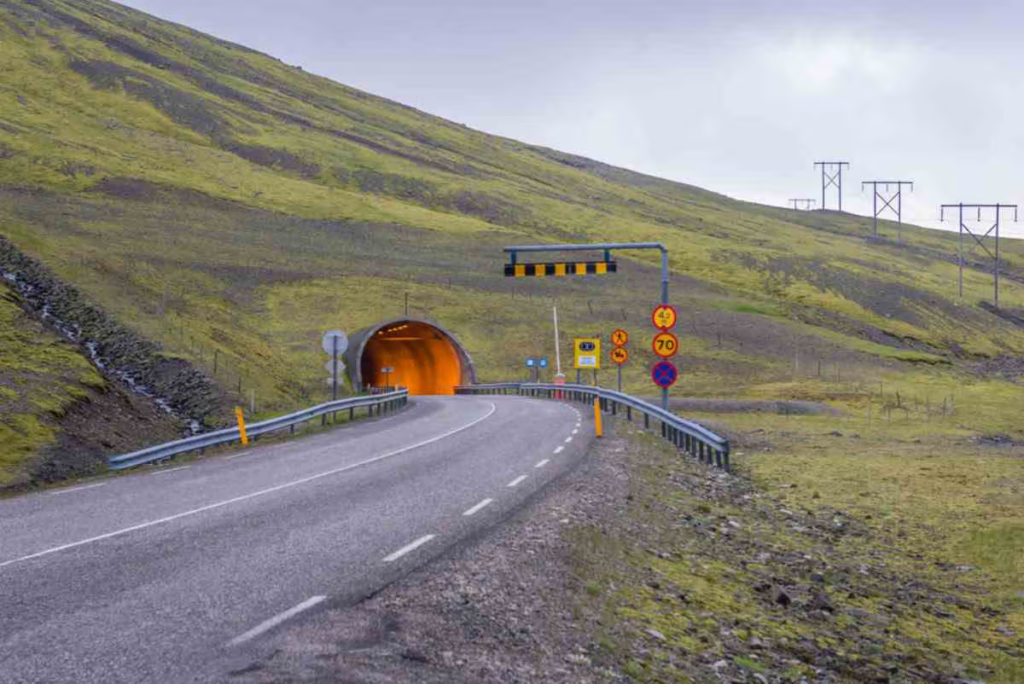
Slicing directly through the colossal, impenetrable basalt mountain massifs that isolate Ísafjörður from the southern Westfjords, this engineering feat is world famous.
- What it is famous for: Being the longest tunnel network in Iceland, measuring over 9 kilometers in length and featuring a highly unusual, subterranean single lane Y junction. Bored deep through solid volcanic rock in 1996 to replace treacherous, weather prone high altitude mountain passes, the tunnel system features specialized passing bays cut into the dark rock walls. Driving through this tectonic vault offers travelers a visceral sense of the extreme engineering required to connect these isolated subarctic fishing outposts.