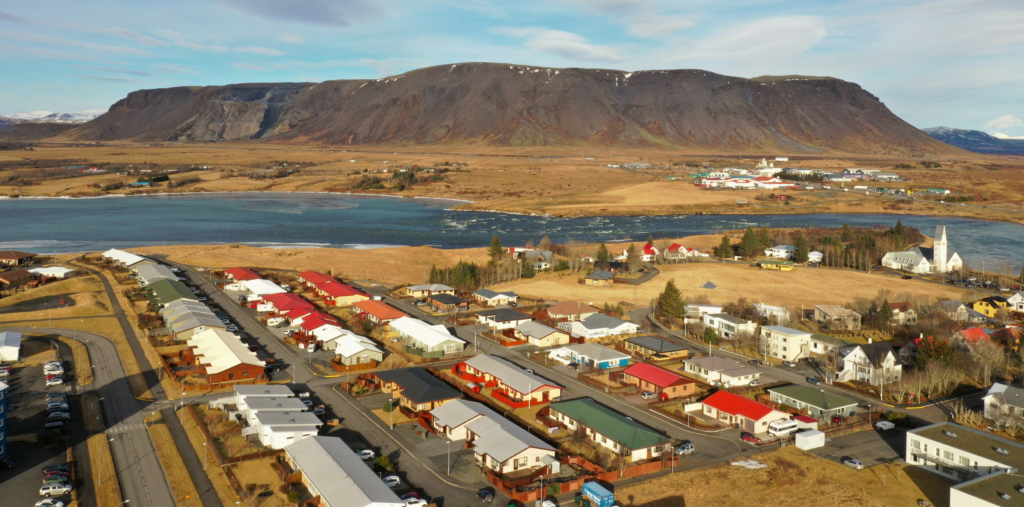

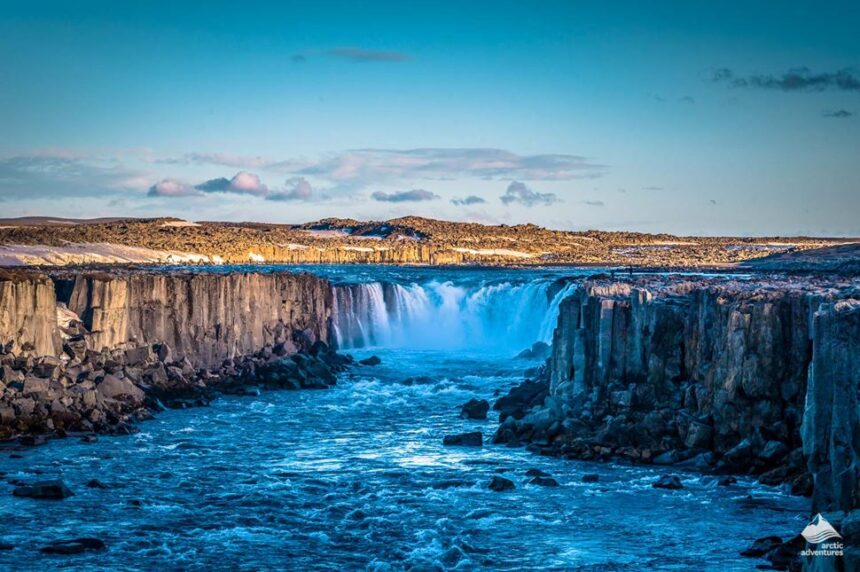
Selfoss, anchoring the absolute southwestern agricultural frontier of Iceland along the sweeping, rushing banks of the Ölfusá River, operates on a spectacular, low rise subarctic layout that acts as the primary service capital of the Icelandic south.
Historically developing rapidly after the construction of the first monumental suspension bridge across the river in 1891, this inland territory evolved from a small cluster of dairy farms into the largest commercial, intellectual, and logistical center outside the capital region.
Because it uniquely initiated a massive urban revival project that reconstructs lost historic architectural landmarks from across the island, it earned its permanent cultural title as a premier gateway to the wonders of the Golden Circle and the volcanic south.
Today, Selfoss presents a striking urban matrix where a freshly built, colorful historic downtown core opens directly onto expansive volcanic meadows, active dairy pastures, and steaming geothermal valleys.
The city effortlessly pairs its deep agricultural pedigree with an intense, worldwide chess legacy, serving as the final resting place of grandmaster Bobby Fischer.
1. The New Town Centre (Miðbær Selfoss)
The Reborn Architectural Sovereign of Reconstructed Heritage Mansions and Gilded Food Halls
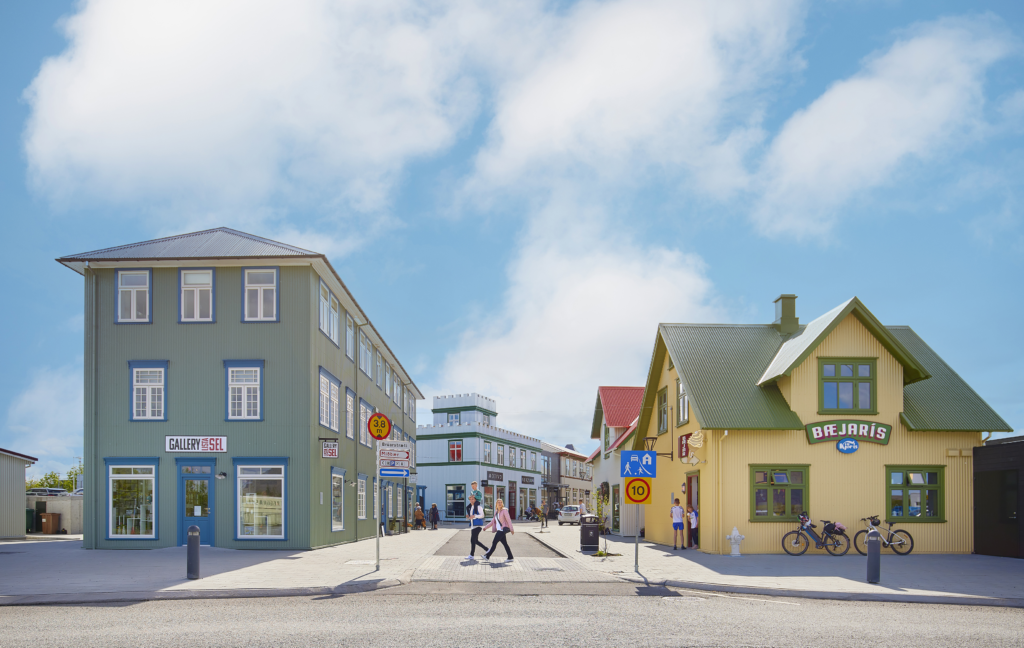
Dominating the absolute physical and social heart of the municipality, this highly unique pedestrian quarter stands proud as an incredible monument to Icelandic cultural history.
- What it is famous for: Being a historic architectural revival project that recreates dozens of elegant, lost historical timber buildings from all over Iceland. Completed to form a vibrant, car free downtown core, the district features traditional gabled facades painted in rich pastel and primary shades. The interior of the central complex houses the Old Dairy Food Hall (Mjólkurbúið Market), where travelers can sample gourmet local street food, artisanal beers, and traditional pastries inside a beautifully restored industrial creamery setting.
2. Bobby Fischer Center (Fischeresetur)
The Enigmatic Chess Sanctuary of Grandmaster Vaults and Cold War Match Relics
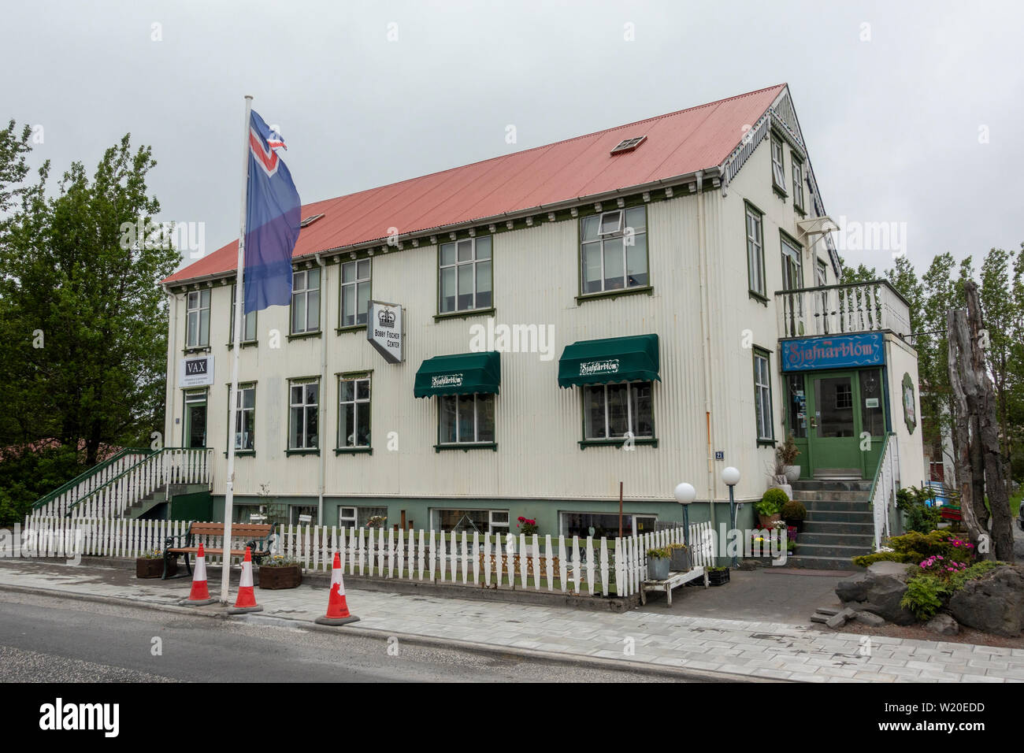
Tucked quietly into a sleek, modern multi purpose building just a short walk north of the main commercial thoroughfare, this specialized museum holds immense global historical value.
- What it is famous for: Being the official biographical museum dedicated to legendary American chess champion Bobby Fischer, who won the match of the century in Reykjavik in 1972. The exhibition houses deep photographic archives, the original chess club score sheets, and a meticulous replica of the iconic chessboard used during his Cold War era showdown with Boris Spassky. Just a few steps away in the quiet, tree lined cemetery of Laugardælir Church, visitors can view the simple, understated grave where Fischer was laid to rest according to his wishes.
3. The Ölfusá River Suspension Bridge
The Historic Iron Sentinel of Glacial Floodwaters and Gateway Engineering Horizons
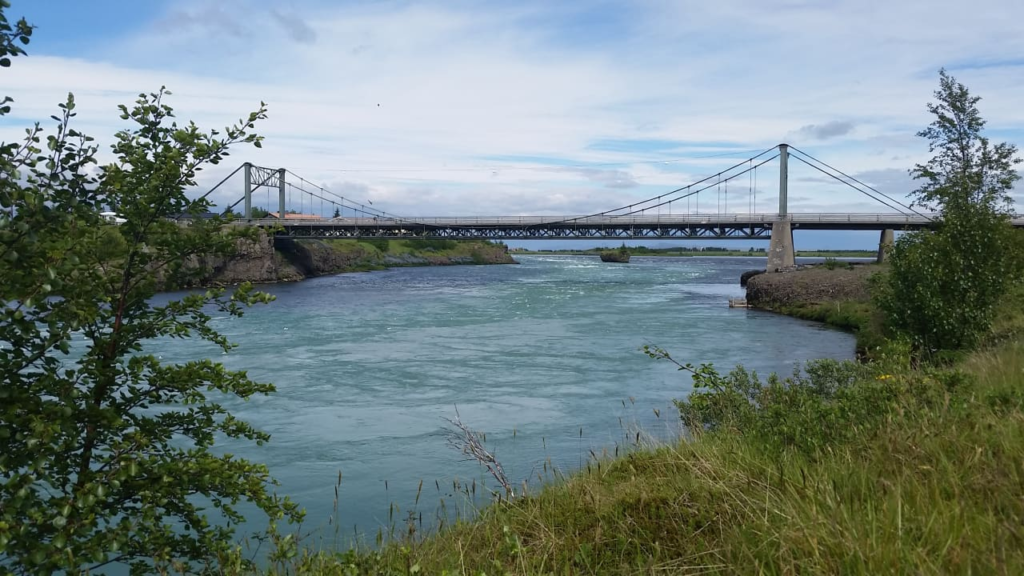
Spanning grandly across the roaring, milk blue waters of Iceland’s highest volume river, this monumental steel structure defines the historic skyline of the town.
- What it is famous for: Being the historic engineering feat that effectively created modern Selfoss, serving as the essential bridge connecting the capital to the agricultural south. The original 1891 suspension bridge completely revolutionized local trade, replacing dangerous ferry crossings through treacherous glacial currents. Rebuilt into its current sturdy steel frame following an intense collapse in 1944, the bridge operates as an iconic visual symbol of the town and a favorite spot for sunset photography over the rushing river canyon.
4. Selfosskirkja
The Elegant Architectural Sentinel of Sharp White Spires and Serene River Bank Paths
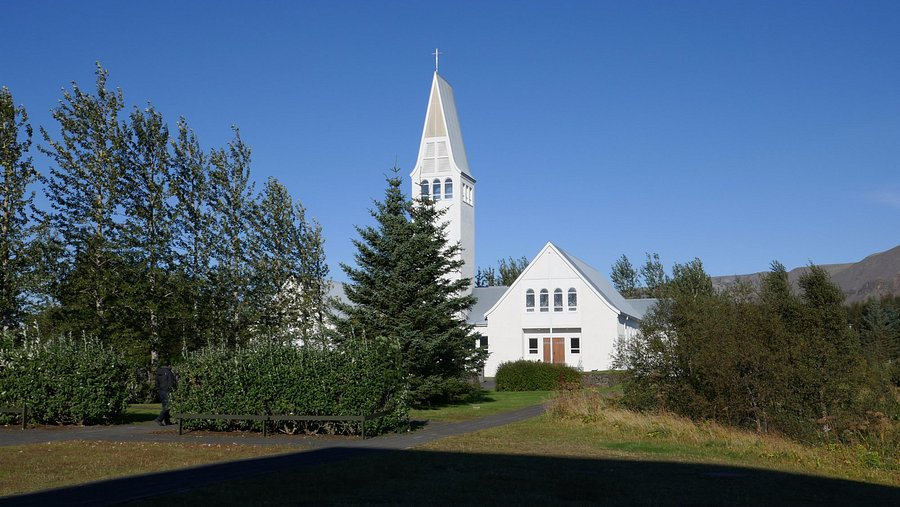
Commanding a picturesque, grass fringed position directly along the eastern banks of the Ölfusá River, this beautiful house of worship is a major local landmark.
- What it is famous for: Its striking, minimalist modern Nordic design featuring a sharp, skyward pointing white bell tower that reflects beautifully across the water surface. Dedicated in 1956, the church sits nestled within a quiet public parkland filled with mature trees and scenic walking trails. Its light flooded interior functions as an important cultural venue, hosting regular classical choir performances, local holiday celebrations, and community gatherings throughout the subarctic year.
5. Sundhöll Selfoss (Selfoss Swimming Pool)
The Sprawling Water Matrix of Geothermal Thermal Tubes and Communal Soaking Basins
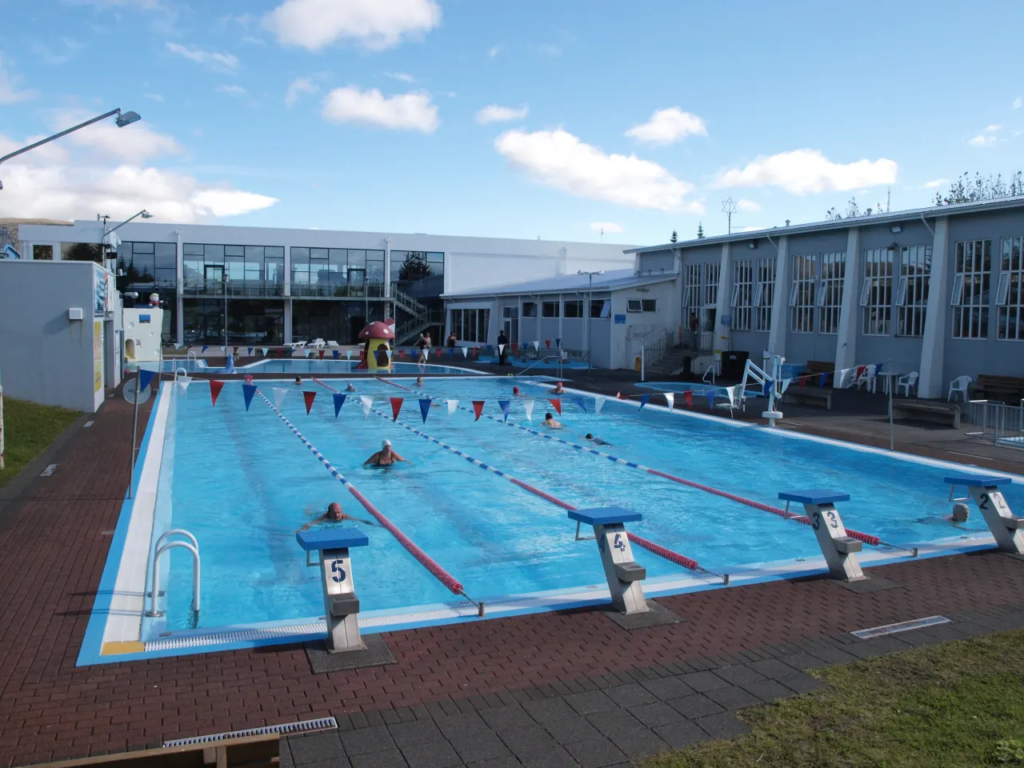
Sited dynamically within a spacious public health and recreation zone just a block away from the central highway, this massive thermal resort is a local institution.
- What it is famous for: Being one of the largest and most advanced public geothermal pool complexes in southern Iceland, complete with indoor and outdoor structures. Fed by highly therapeutic, mineral rich waters bubbling up from deep local thermal wells, the facility includes professional lap pools, large winding water slides, and a massive sauna world. It operates as the primary social arena where local citizens gather daily in the steaming hot tubs to chat about community events and politics.
6. Hellisskógur Forest
The Peaceful Botanical Sanctuary of Birch Canopies and Basalt River Cliff Trails
Occupying a massive, fully protected environmental basin that curves gently along the northern loops of the river loop, this hidden woodland park is a nature haven.
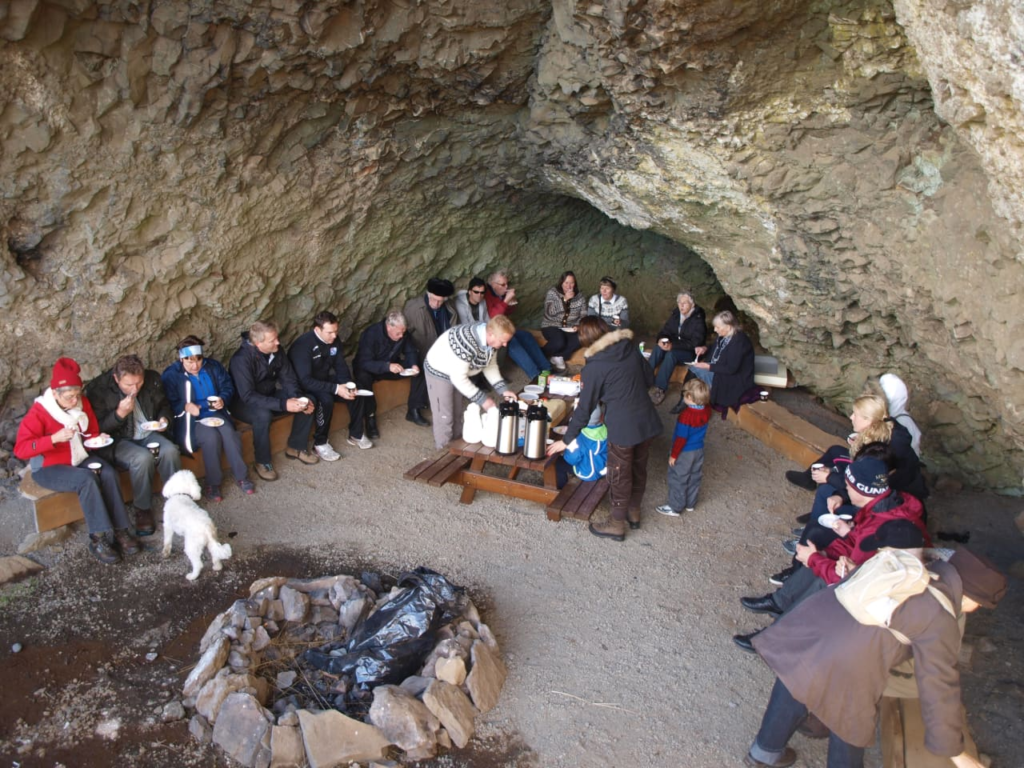
- What it is famous for: Its extraordinary collection of mature birch and pine trees that form a lush, rare forest environment amidst the wind swept lowlands. The park features an extensive network of soft, dirt walking trails that lead hikers underneath dense green canopies out to hidden basalt cliff view platforms overlooking the river. A local highlight is the Kolfreyja cave rock structure, a natural basalt cave wrapped in folklore that serves as a popular resting spot for hikers.
7. Selfoss Kirkjugarður & The Elf Church (Álfakirkja)
The Mystical Volcanic Rock Sentinel of Hidden World Sagas and Ancestral Lawns
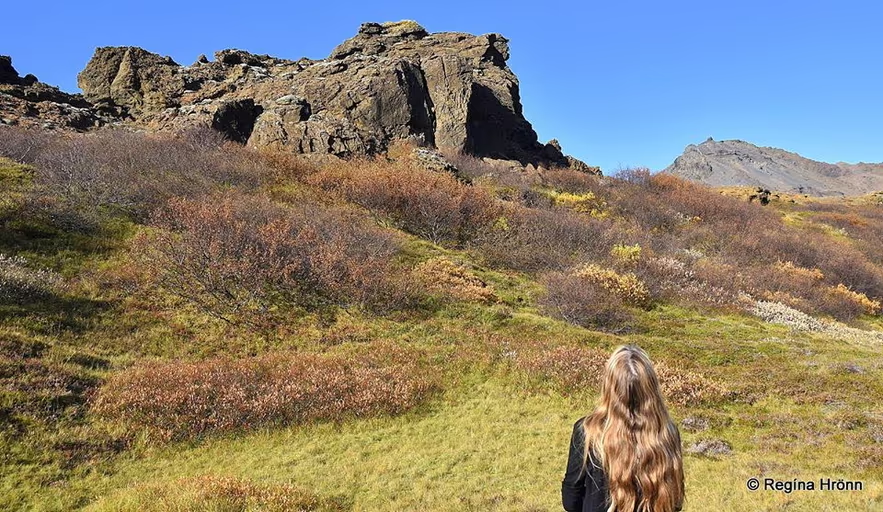
Sited within the quiet, beautifully landscaped grounds of the municipal cemetery on the eastern edge of the town, this unique natural feature holds deep folklore value.
- What it is famous for: Hosting a prominent, protected volcanic rock formation that is traditionally recognized by locals as a sacred hidden world elf church. When the modern cemetery grounds were mapped and developed, local landscape planners deliberately altered the paths and burial layouts to ensure this craggy basalt structure remained completely undisturbed. It serves as a peaceful, reflective spot where travelers can appreciate the deep, generation old connection between Icelandic nature and folklore.
8. Skyrland Exhibition
The Interactive Sensory Matrix of Ancient Viking Dairy Secrets and Superfood Trails
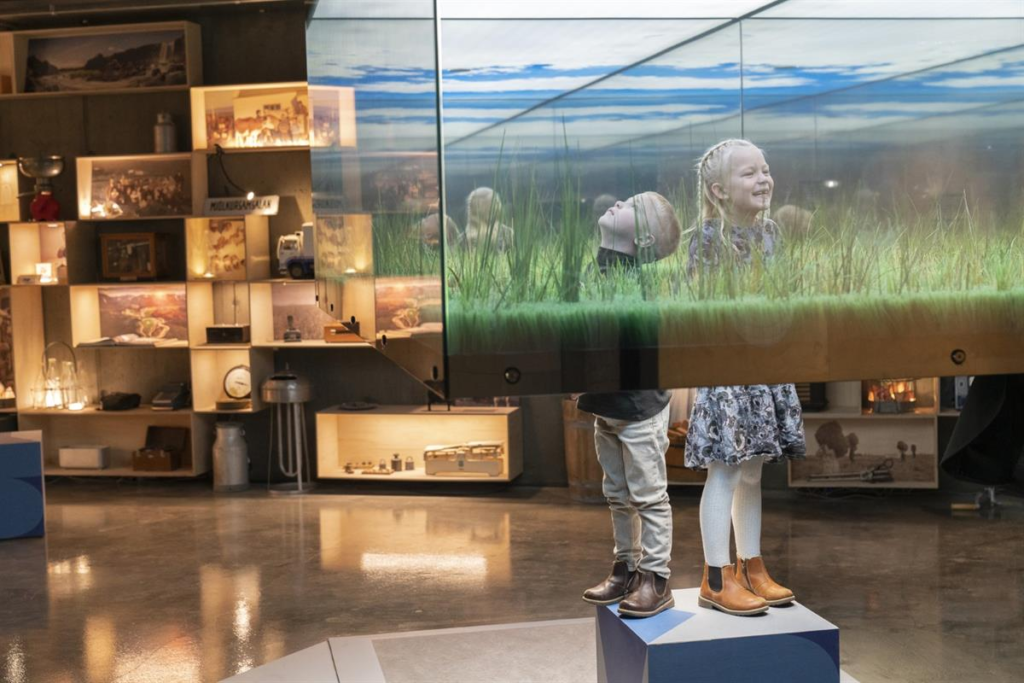
Housed safely inside the grandly restored industrial spaces of the Old Dairy complex within the new town center, this interactive museum celebrates a culinary legend.
- What it is famous for: Being the world’s premier interactive exhibition dedicated entirely to the history, science, and cultural identity of skyr, the iconic Icelandic superfood. Developed in partnership with local food historians, the multi sensory galleries track how early Viking settlers brought this unique dairy culture across the Atlantic over a thousand years ago. Visitors can walk through interactive tasting labs, explore macro microscopic displays of unique bacterial cultures, and sample experimental, fruit infused skyr flavors.
9. Kerid Crater (Kerið)
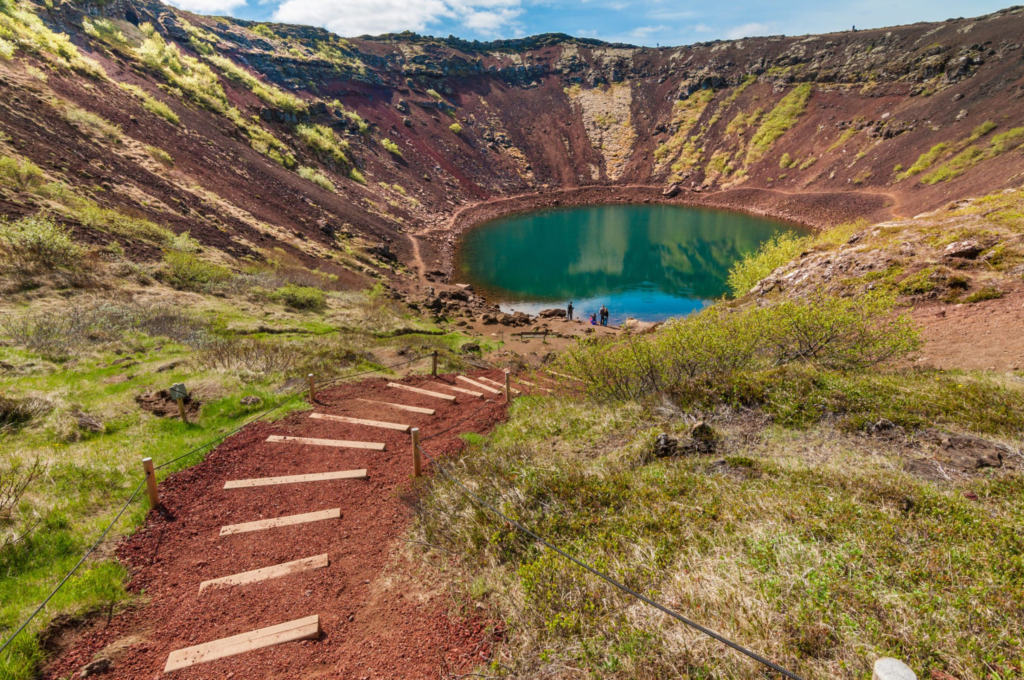
The Monumental Volcanic Sovereign of Neon Green Moss and Deep Indigo Lake Basins
Sited dynamically along the volcanic highway just a short fifteen minute drive north of the Selfoss municipal boundary, this volcanic crater is an environmental masterpiece.
- What it is famous for: Its spectacular, perfectly uniform oval caldera composed of fiery red volcanic rock, housing a striking, deep indigo water basin at its floor. Formed roughly three thousand years ago during a massive volcanic collapse, the steep crater walls provide a vivid color contrast against carpets of bright neon green moss. Visitors can hike safely along the entire upper rim platform or descend down a wooden staircase to stand directly at the water’s edge, experiencing the incredible acoustics of the volcanic basin.
10. Paradísarhellir (Paradise Cave)
The Rugged Geological Fissure of Moss Covered Vaults and Historical Outlaw Sagas
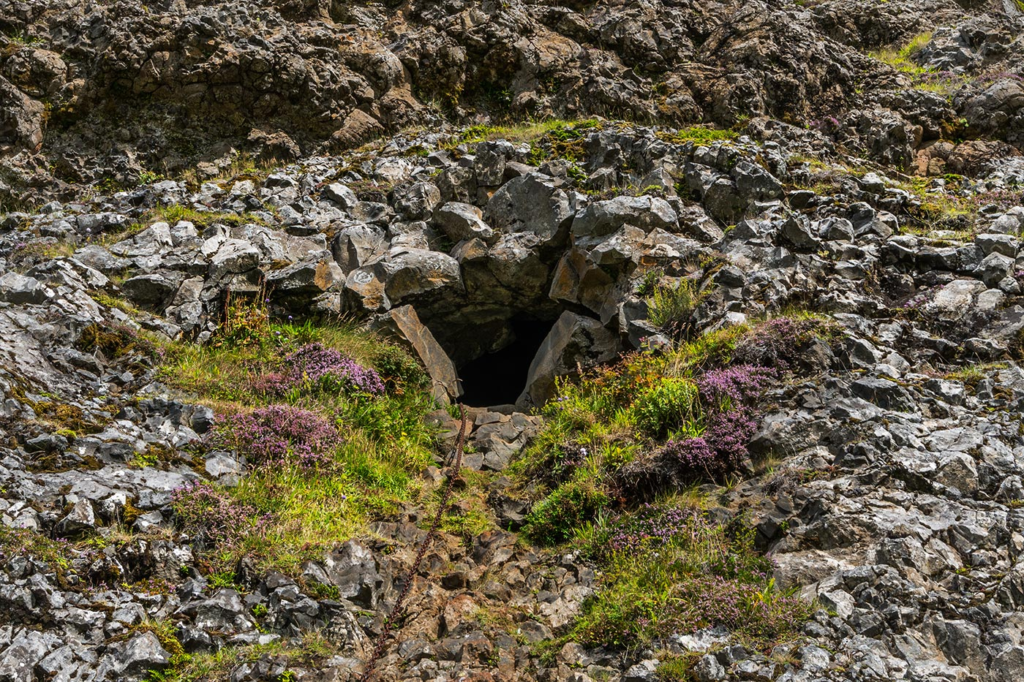
Tucked into the craggy volcanic cliffs that rise dramatically near the base of the nearby Ingólfsfjall mountain ridge, this historic cave holds deep archaeological value.
- What it is famous for: Serving as a historic shelter and hideout for outlaws and shepherds across the centuries, packed with old inscriptions and historic legends. The interior walls of the natural basalt cave feature unique, weathered markings carved into the soft volcanic rock face over past generations. Hikers climb up the rocky mountain trails to reach the cave opening, which frames a breathtaking panoramic vista looking out across the vast southern plains and winding river deltas.
11. Ingólfsfjall Mountain
The Colossal Basalt Sentinel of First Settler Tombs and Panoramic Tundra Horizons
Dominating the horizon just a short distance northwest of the town center, this massive, flat topped volcanic tuff mountain acts as a majestic geographical anchor for the region.
- What it is famous for: Being the legendary final resting place of Ingólfur Arnarson, the very first permanent Norse Viking settler of Iceland, who is said to be buried on its peak. The imposing mountain features steep, dramatically weathered basalt cliffs that blush pink and orange during subarctic sunsets. An extensive network of challenging hiking trails leads adventurers up onto the high mountain plateau, providing an unparalleled bird’s eye view stretching from the Atlantic coastline all the way to distant glaciers.