
Győr, anchoring the strategic northwestern gateway of Hungary precisely at the confluence where the Danube, Rába, and Rábca rivers meet, operates on a magnificent, water-ringed urban layout mid-way between Vienna and Budapest.
Historically serving as a heavily fortified bastion against the advancing Ottoman Empire and evolving into a wealthy, merchant-driven river port, its historic city center survived the centuries as one of the country’s finest artistic architectural preserves
. Because it embraced the grand decorative aesthetic of the Counter-Reformation with such immense civic wealth, it earned the permanent cultural title of The Capital of Baroque, shifting seamlessly from a defensive military outpost into a premier industrial, intellectual, and historic powerhouse.
The city effortlessly pairs its deep religious pedigree housing one of Hungary’s most critical sacred treasures with a modern, high-tech industrial economy driven by massive global automotive manufacturing plants.
1. Széchenyi Square
The Vast Baroque Living Room of Symmetrical Iron Balconies and Stately Marian Columns
Dominating the absolute physical and historical center of the old town’s pedestrian zone, this grand, cobblestone public plaza stands proud as the definitive civic arena of Győr.
- What it is famous for: Being one of the most beautiful and perfectly uniform Baroque squares in Central Europe, anchored by the iconic 17th-century Column of the Virgin Mary. Historically serving as the city’s primary marketplace and the site of high-profile historical trials, the square is lined with magnificent, pastel-hued aristocratic palaces. Today, completely free from car traffic, its open-air café terraces and synchronized floor fountains provide a lively social atmosphere where travelers can admire the signature corner bay windows unique to the city’s architecture.
2. Cathedral Basilica of the Assumption of Our Lady (Győr Basilica)
The Monumental Golden-Stone Sovereign of Sacred Weeping Icons and Gothic Reliquary Vaults
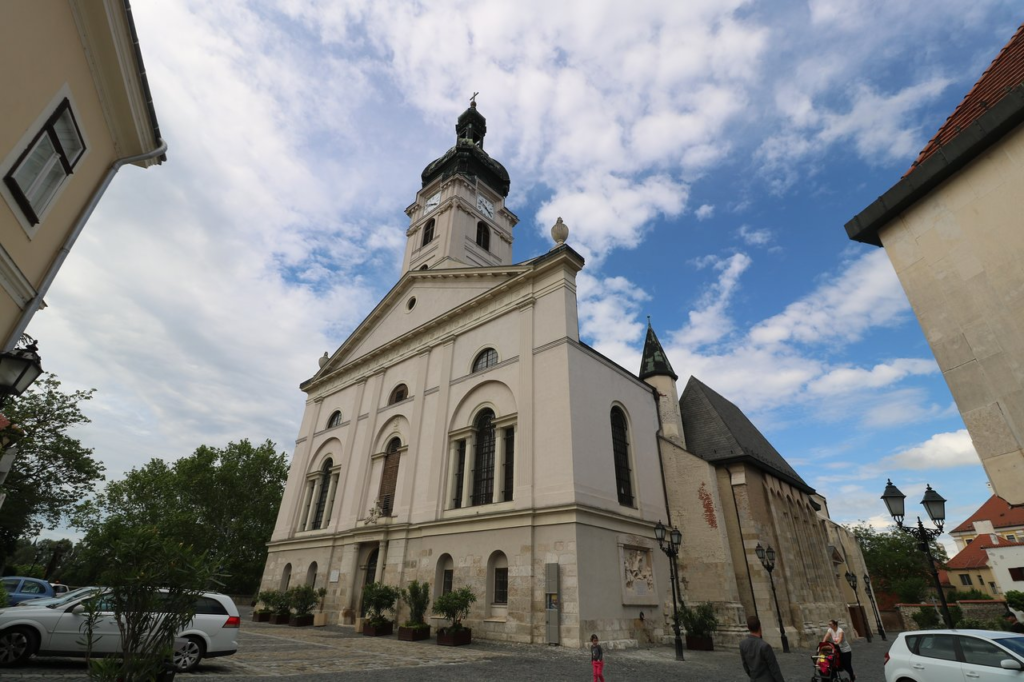
Commanding the absolute highest geographic crest of the old city center upon the historic Káptalandomb (Chapter Hill), this multi-layered cathedral is the spiritual heart of the region.
- What it is famous for: Housing the legendary Weeping Icon of the Virgin Mary and the Herma of King Saint Ladislaus, one of the three most important sacred national relics in Hungary. Originally founded in the 11th century by King Saint Stephen, the cathedral blends a heavy Romanesque foundation with a spectacular, gilded Baroque interior. Pilgrims from across the world gather here to view the Irish-origin portrait of Mary that miraculously shed real tears of blood on St. Patrick’s Day in 1697, and the magnificent, goldsmith-crafted silver herma housing the skull of the knight-king Ladislaus.
3. St. Ignatius of Loyola Benedictine Church
The Radiant Italianate Masterpiece of Marble Pulpits and Illusory Ceiling Frescoes
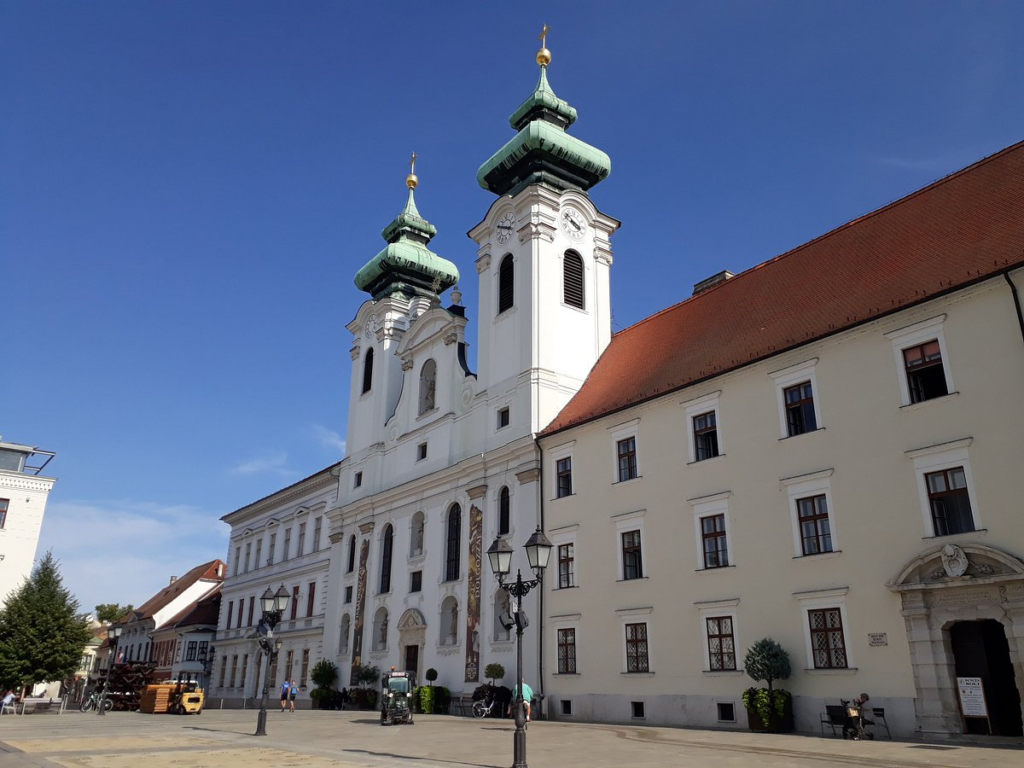
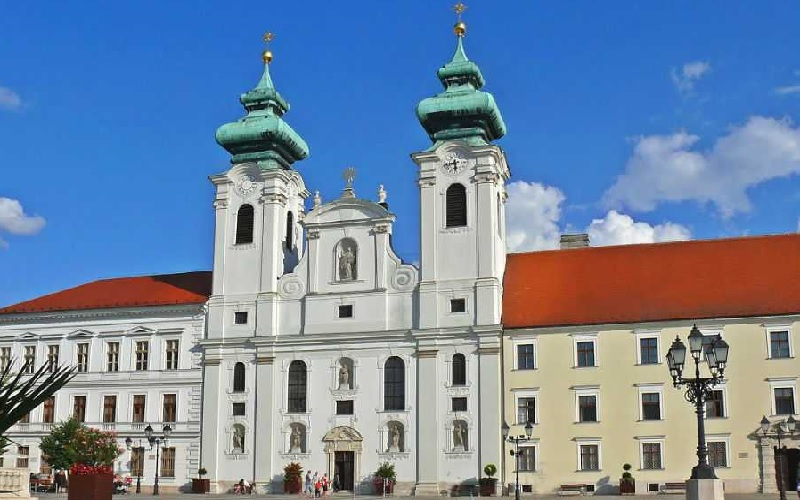
Dominating the entire southern flank of Széchenyi Square, this twin-towered Jesuit-built church stands as the earliest and most influential Baroque house of worship in the region.
- What it is famous for: Its jaw-dropping, high-Baroque interior modeled directly after the Church of the Gesù in Rome, featuring a spectacular ceiling that creates an optical illusion of depth. Completed in the 1640s, the church boasts an immense main altar painting by Paul Troger and a world-famous, intricately carved wooden pulpit dripping in pure gold leaf. The attached monastery complex and historic pharmacy museum preserve the ancient scientific and spiritual legacy of the Benedictine monks who shaped local education.
4. Bishop’s Castle and Palace (Püspökvár)
The Heavy Limestone Citadel of Medieval Keep Towers and Wartime Martyr Sanctuaries
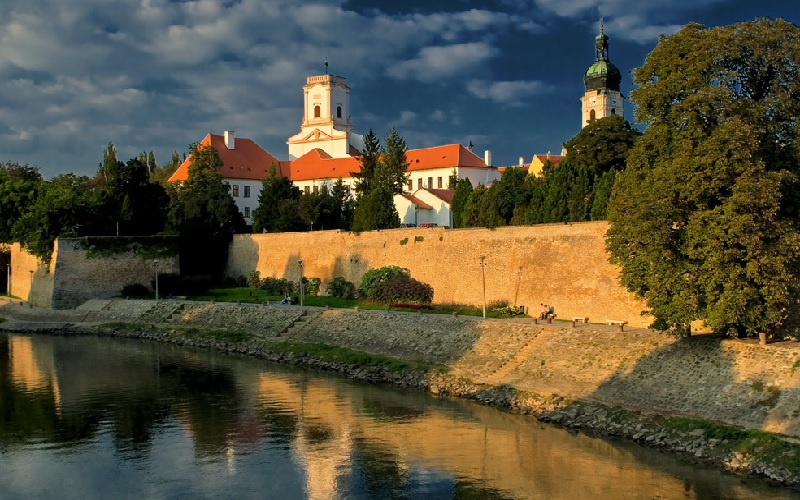
Siting dramatically immediately adjacent to the main basilica on Chapter Hill, this imposing, fortress-like castle complex marks the absolute oldest fortified site in Győr.
- What it is famous for: Being the continuous seat of the Bishopric of Győr since 1009 AD, featuring a perfectly preserved 13th-century Gothic tower room. Having successfully withstood fierce Ottoman artillery barrages due to its thick stone ramparts, the palace grounds are layered in history. The lower stone vaults house a deeply moving permanent exhibition dedicated to Bishop Vilmos Apor, a heroic martyr who was shot and killed by Soviet soldiers inside these very cellars in 1945 while protecting local women seeking refuge.
5. Rába Quelle Thermal and Adventure Bath
The Modern Water Matrix of Healing Alkaline Springs and Multi-Tiered Wellness Zones
Nestled onto the scenic, green peninsula where the Moson-Danube and Rába rivers split, this expansive modern health resort is a paradise for wellness enthusiasts.
- What it is famous for: Its highly therapeutic, mineral-rich thermal water bubbling up from a depth of 2,000 meters, globally celebrated for treating joint and bone diseases. Rebuilt into a state-of-the-art water park, the complex features indoor and outdoor thermal pools, medical massage clinics, and a massive, multi-tiered sauna world designed to look like a historic water castle. It masterfully pairs authentic clinical mineral soaking basins with high-energy recreational lazy rivers and water slides.
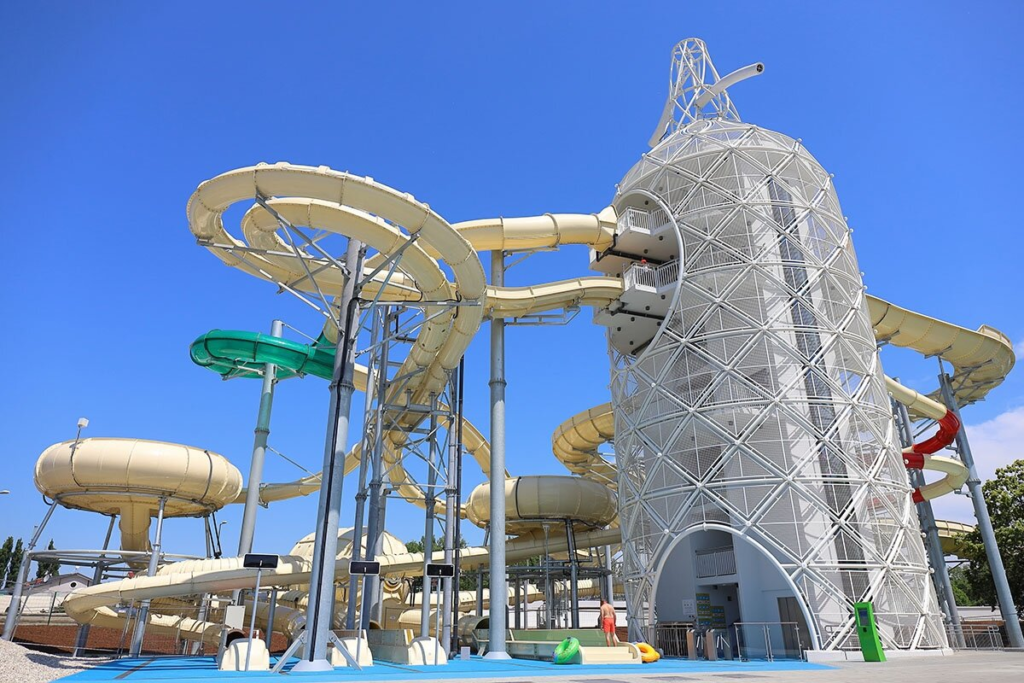
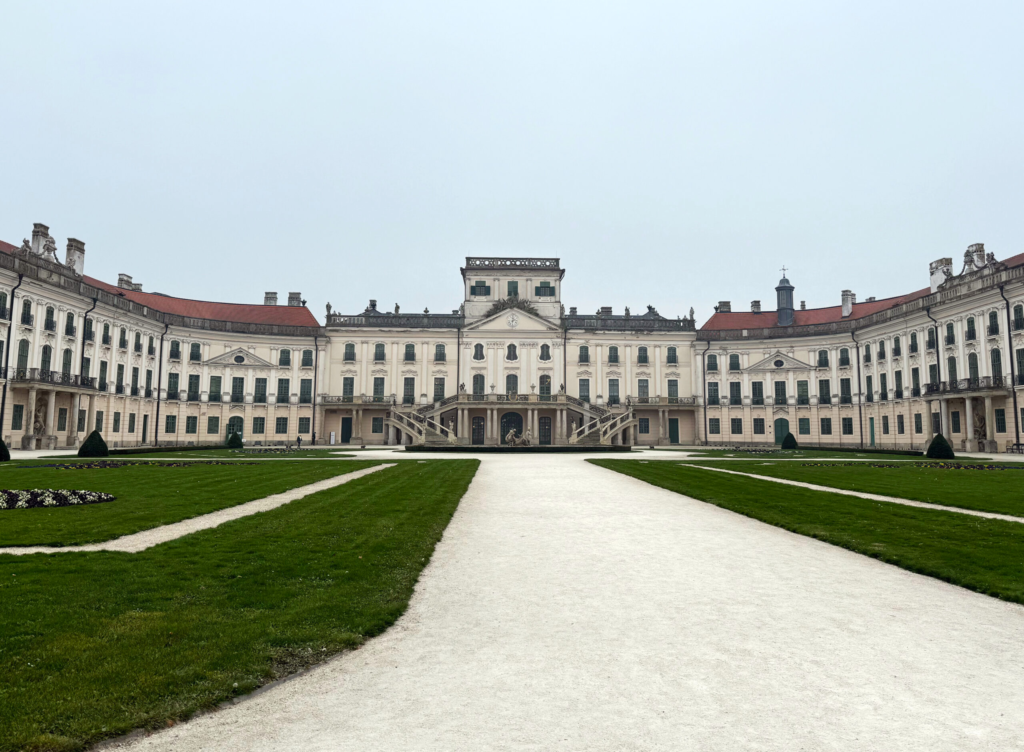
6. The Esterházy Palace (Győr Art Museum)
The Regal Aristocratic Mansion of Crimson Window Trim and Elite Radnai Art Vaults
Commanding a prime, high-profile street location just a few steps north of the central square, this magnificent golden-yellow palace represents the absolute height of local Baroque residential wealth.
- What it is famous for: Being the historic urban palace of the hyper-wealthy Esterházy noble family, now housing the world-class Radnai Fine Art Collection. The palace facade features a stunning, central stone portal gate topped by the family’s coat of arms. Inside, the grand staterooms have been converted into sunlit galleries displaying a massive collection of 20th-century Hungarian paintings, avant-garde graphics, and modern sculptures gathered by elite collector Béla Radnai.
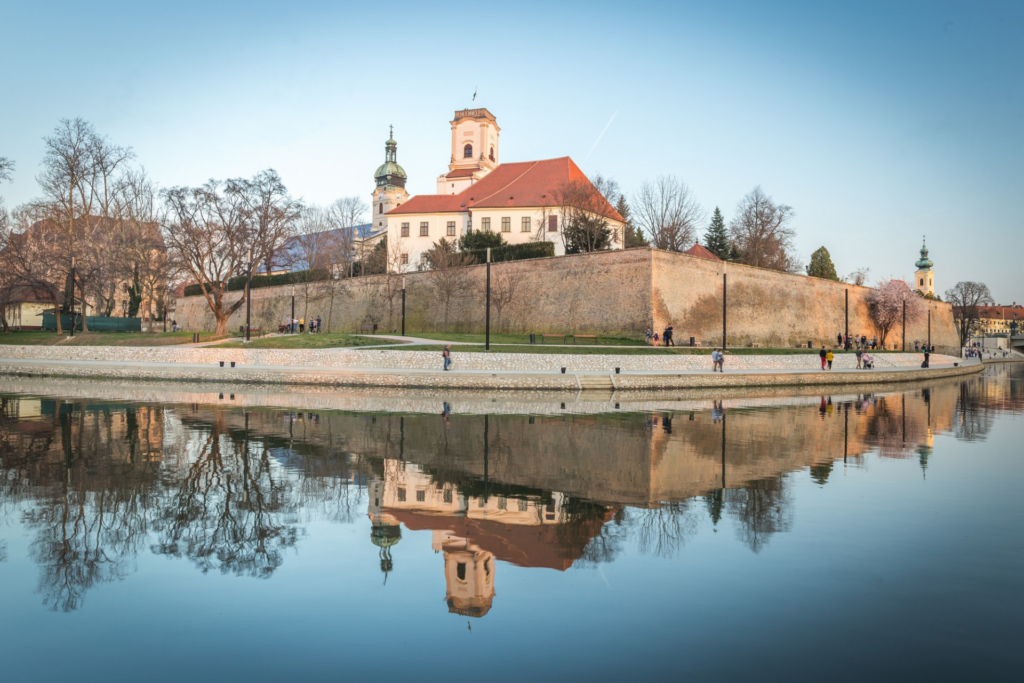
7. Radó Island
The Peaceful Botanical Sanctuary of Plane-Tree Promenades and Classical Rowboat Inlets
Floating gracefully directly within the waters of the Rába River, right between the historic old quarter and the modern thermal districts, this long, narrow island is a local nature haven.
- What it is famous for: Being a fully protected historic park island filled with towering, century-old plane trees and hosting a grand neoclassical World War I monument. Serving as the green, living lungs of the city center, the island features a series of scenic walking paths, public viewing benches over the water, and historic boat docks. It operates as a peaceful, shaded retreat where locals gather for morning jogs, romantic evening strolls, and open-air summer music concerts under the canopy.
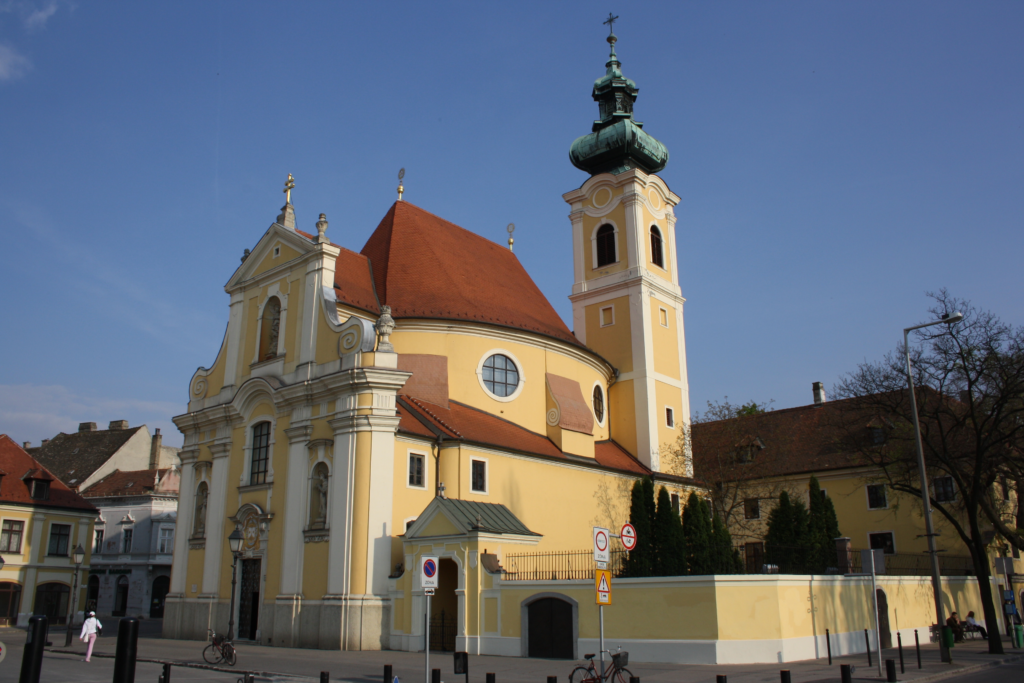
8. Carmelite Church of Győr
The Striking Ochre Monument of Oval Naves and Historic Riverfront Bastions
Sited dynamically on the edge of the historic Vienna Gates Square (Bécsi kapu tér), where the old town meets the Rába riverbanks, this church is an architectural marvel.
- What it is famous for: Its extraordinary, elliptical oval-shaped nave and its dramatic position built directly into the surviving stone bastions of the medieval city walls. Designed by the lay brother Athanasius Wittwer and completed in 1725, the church features a beautiful ochre-yellow facade. The interior is a masterclass in Baroque spatial design, with its altar framing a globally celebrated, intensely expressive wooden statue of the Pietà carved by local masters.
9. The House of the Iron Stump (Vastuskós Ház)
The Quirky Corner Palace of Traveling Guild Secrets and Thousands of Hand-Driven Nails
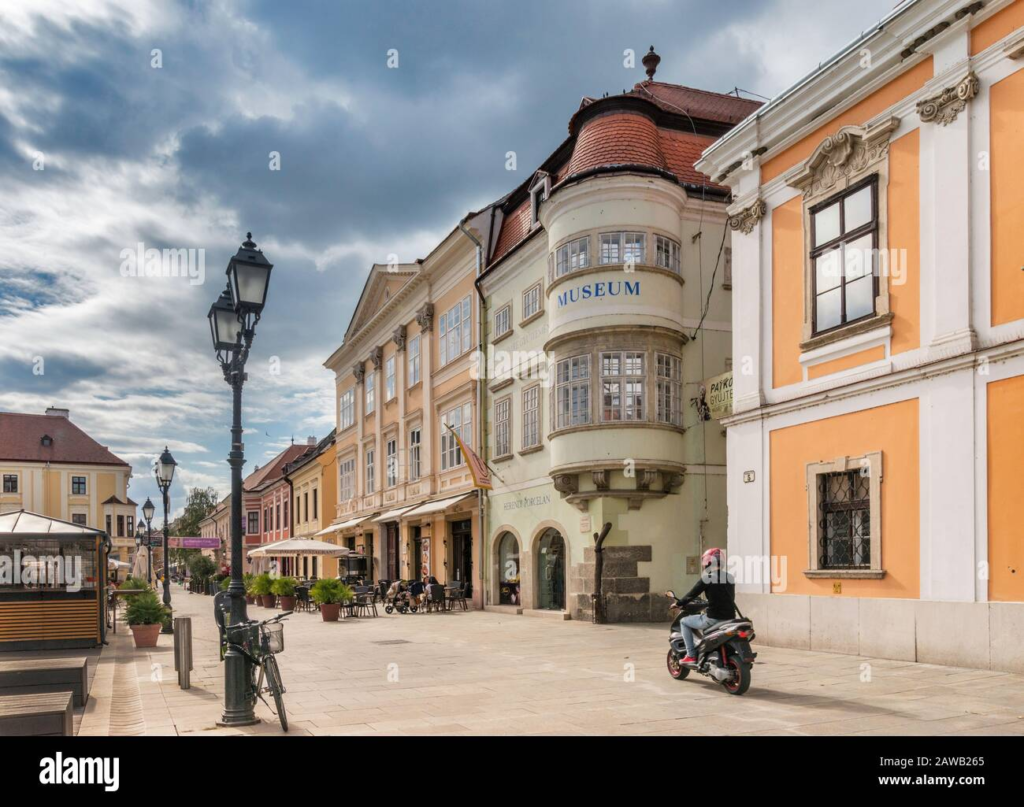
Occupying a prominent, highly visible corner where the historic Széchenyi Square meets the bustling Liszt Ferenc street, this unique building holds deep folklore value.
- What it is famous for: Housing an ancient wood beam wrapped in iron plating that is packed with thousands of hand-driven iron nails, left behind by traveling craftsmen. According to 19th-century trade traditions, wandering journeymen and guild apprentices arriving in Győr had to drive a custom nail into this wooden stump to prove their presence and mark their travels. Today, the historic building houses the exceptional Patkó Imre art collection, displaying rare African ethnographic masks and modern paintings.
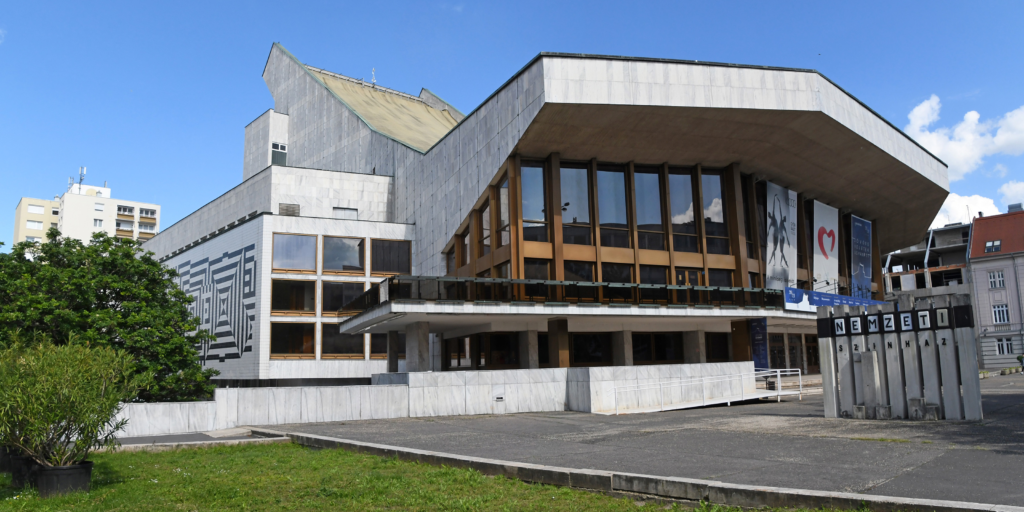
10. Győr National Theatre (Győri Nemzeti Színház)
The Monumental Structuralist Sentinel of Ceramic Ski-Jump Roofs and Avant-Garde Ballets
Dominating a massive, open stone plaza in the modern eastern extension of the downtown district, this striking brutalist building is a major regional cultural icon.
- What it is famous for: Its dramatic, sloping concrete “ski-jump” architectural design covered in massive, custom-made Zsolnay ceramic tiles and housing Hungary’s premier ballet company. Opened in 1978 to bring high modernist performing arts to the region, the theater features gigantic end-wall murals created by globally renowned op-art master Victor Vasarely. The institution is famous for its world-class, progressive modern dance and opera productions that draw theater lovers internationally.
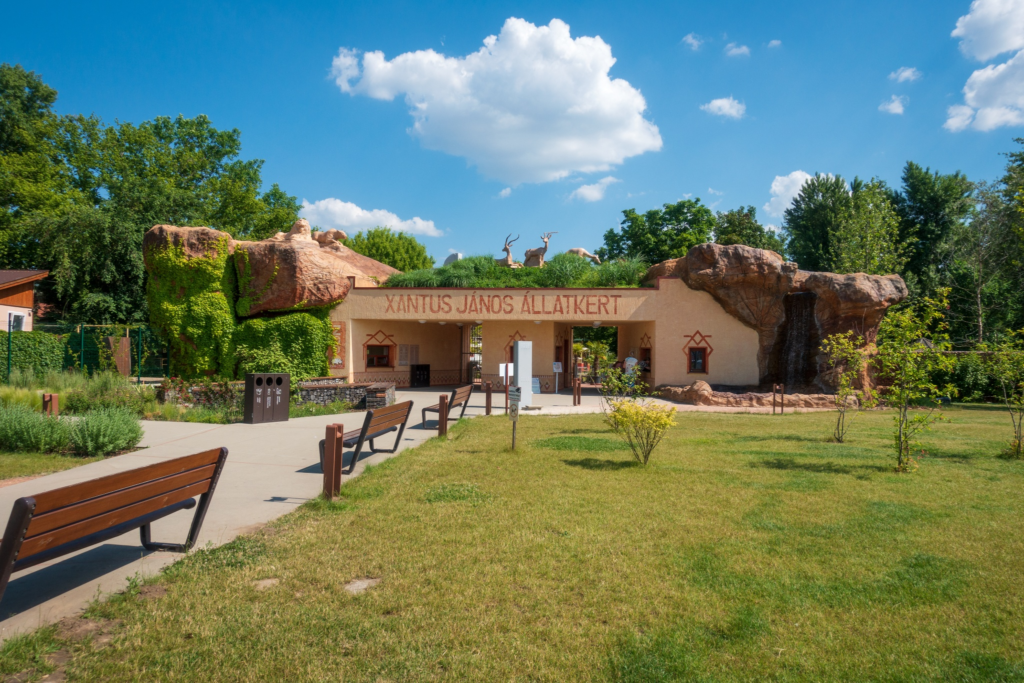
11. Xántus János Zoo
The Intimate Forest Oasis of Rare White Tigers and Hands-On Conservation Trails
Occupying a lush, green woodland park zone in the eastern Bishop’s Forest (Püspökerdő) district, this highly progressive zoo is an eco-tourism sanctuary.
- What it is famous for: Its highly successful breeding programs for endangered species, including rare white tigers, and its immersive, barrier-free design. Named after the famous Hungarian zoologist and traveler János Xántus, the park emphasizes hands-on educational animal encounters and large, open-air enclosures. Visitors can walk through specialized African and South American biotopes, cross wooden suspension bridges over primate islands, and explore a massive public conservation center that tracks regional bird migrations.