
Bulgaria, anchoring the rugged heart of the Balkan Peninsula in Southeastern Europe, operates on a magnificent, mountain-ribbed layout bounded by the rolling Danube River to the north and the sun-drenched Black Sea coast to the east.
As one of the oldest state entities on the European continent, its territory serves as a vast archaeological crossroads where ancient Thracian kings, Roman emperors, Byzantine warlords, and Ottoman pashas left indelible structural footprints.
This layered history forged an exceptionally resilient culture that preserved its Slavic literacy and Orthodox Christian heritage through centuries of foreign rule.
Today, Bulgaria is a captivating blend of alpine majesty, pristine coastal horizons, and vibrant urban centers. The country seamlessly pairs its ancient ruins with a fast-growing digital nomad culture and a legendary folklore tradition.
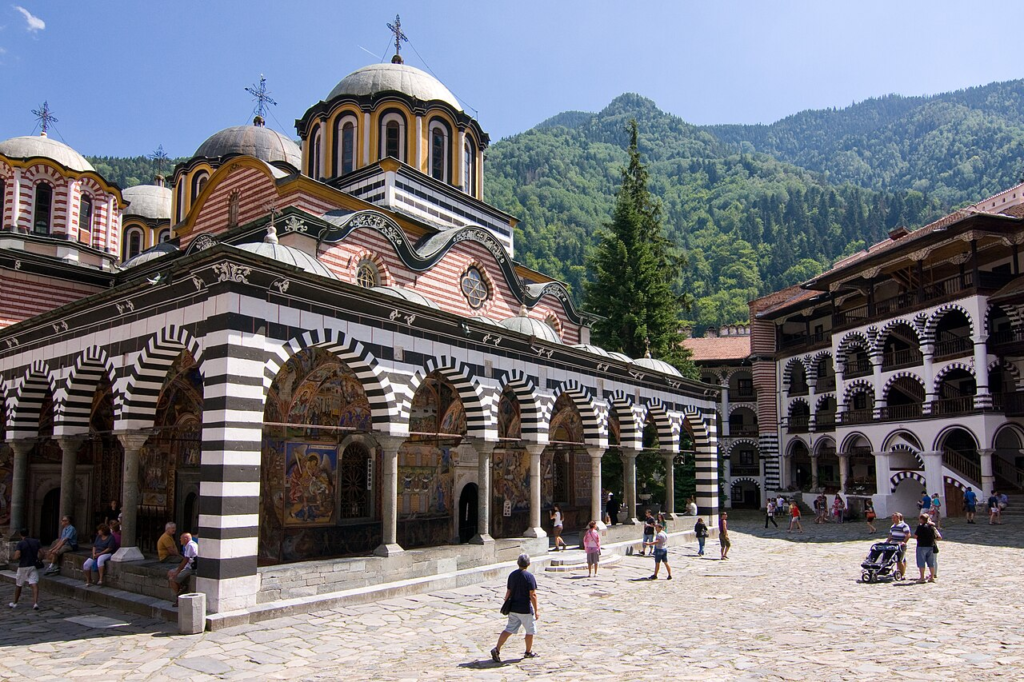
1. Rila Monastery
The Mountain-Wrapped Sanctuary of Striped Arches and Golden Frescoes
Tucked deep within the dense, aromatic pine forests of the Rila Mountains at an elevation of 1,147 meters, this monumental 10th-century monastic complex stands as the ultimate spiritual heart of the nation.
- What it is famous for: Its iconic black-and-white striped courtyard arches, four tiers of residential balconies, and mesmerizing National Revival frescoes. Founded by the hermit Saint Ivan of Rila, the monastery functioned as a vital fortress of Bulgarian language and culture during centuries of Ottoman rule. The central Church of the Nativity houses an incredibly detailed, gold-plated iconostasis and walls covered in vivid Biblical murals painted by the nation’s finest 19th-century masters.
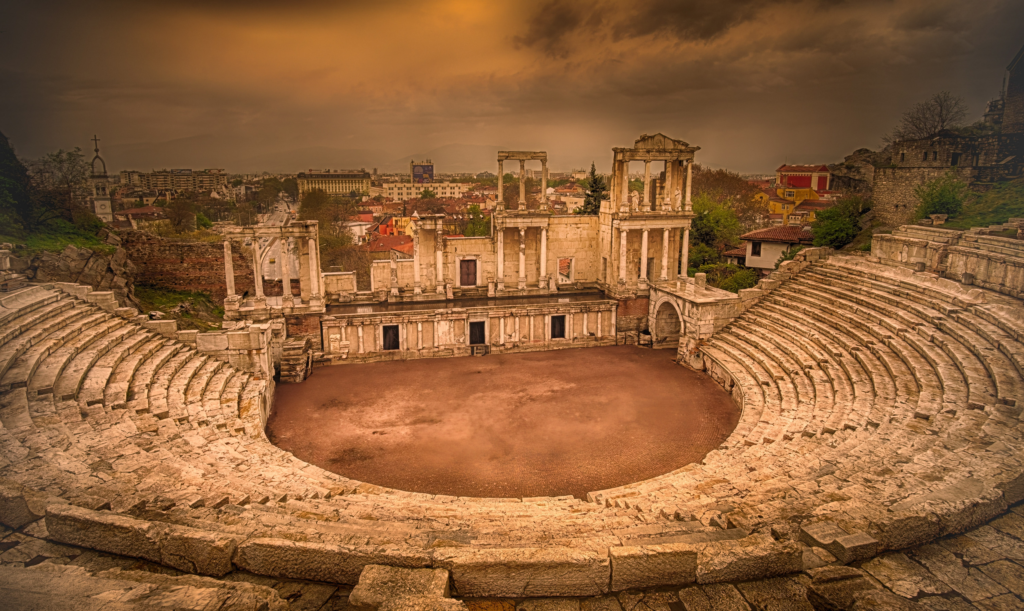
2. Plovdiv Old Town & Roman Amphitheatre
The Cobblestone Labyrinth of Symmetrical Mansions and Ancient Stages
Cascading down three syenite hills in central Bulgaria, this living architectural museum beautifully layers a pristine 2nd-century Roman civic arena directly into an elegant 19th-century residential quarter.
- What it is famous for: Its perfectly preserved Roman Theatre of Philippopolis and its colorful, overhanging National Revival mansions. Originally built during the reign of Emperor Trajan, the marble amphitheater was uncovered during a 1970s landslide and now serves as a spectacular open-air stage for opera and theater. Surrounding it are the cobblestone streets of the Old Town, lined with symmetrical wooden-beamed houses painted in vibrant ochres, deep reds, and blues.
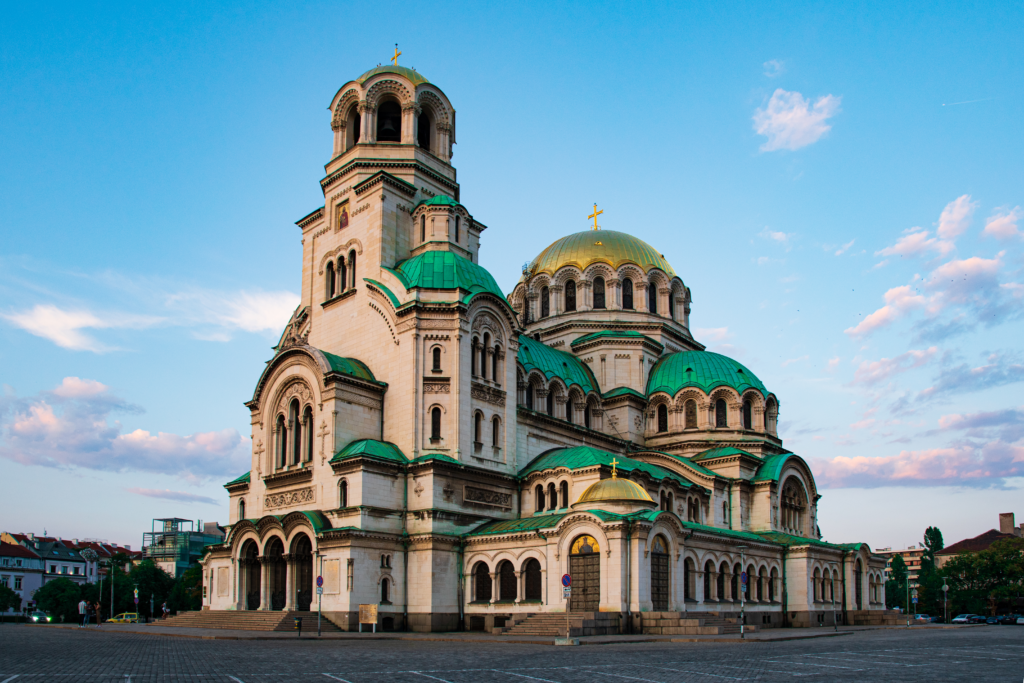
3. Alexander Nevsky Cathedral (Sofia)
The Neo-Byzantine Titan of Gleaming Neo-Renaissance Domes
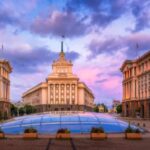
Dominating the sprawling central plaza of Bulgaria’s capital city, this colossal cathedral stands proud as one of the largest Eastern Orthodox houses of worship in the world.
- What it is famous for: Its massive, gold-leafed central dome rising 45 meters into the air and its intricate multi-domed Neo-Byzantine silhouette. Completed in 1912 to honor the Russian soldiers who fell during the Russo-Turkish War of Liberation, the cathedral’s exterior is a masterclass in spatial geometry. The dark, cavernous interior is lined with Italian marble, Brazilian onyx, and heavy alabaster, illuminated by massive chandeliers and filled with realistic religious icons painted by both Bulgarian and Russian artists.
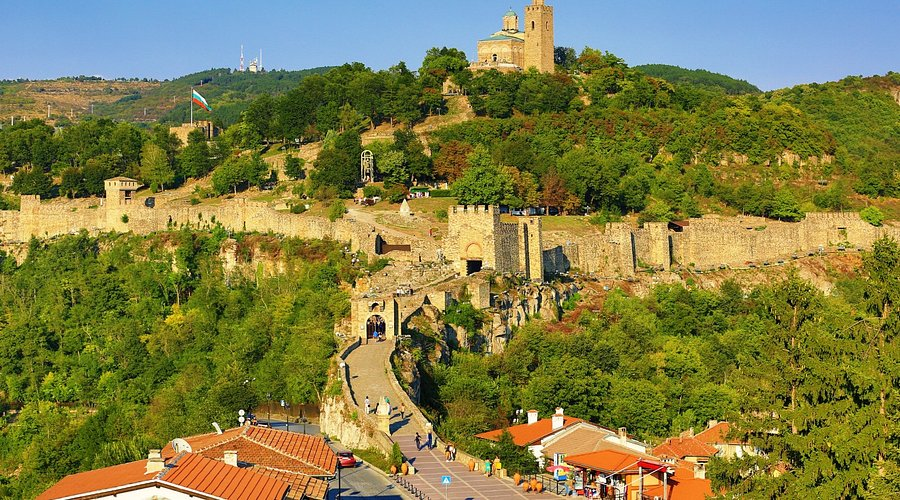
4. Tsarevets Fortress (Veliko Tarnovo)
The Cliff-Hugging Stronghold of Medieval Tsars and Sound-and-Light Spectaculars
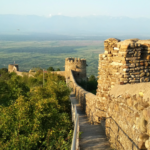
Perched dramatically on a sheer, loop-shaped rocky ridge carved by the twisting Yantra River, this massive medieval citadel forms the historic skyline of the Second Bulgarian Empire’s capital.
- What it is famous for: Its colossal defensive stone walls, patriarchal cathedral crest, and its nightly laser light show. From the 12th to the 14th century, this hill held the royal palaces and execution rocks of the Bulgarian Tsars. Visitors walk across a narrow, stone drawbridge to explore the endless foundations of churches, towers, and residential quarters, which are illuminated at night by an interactive Sound and Light Show tracking the tragic fall of the empire to Ottoman invaders.
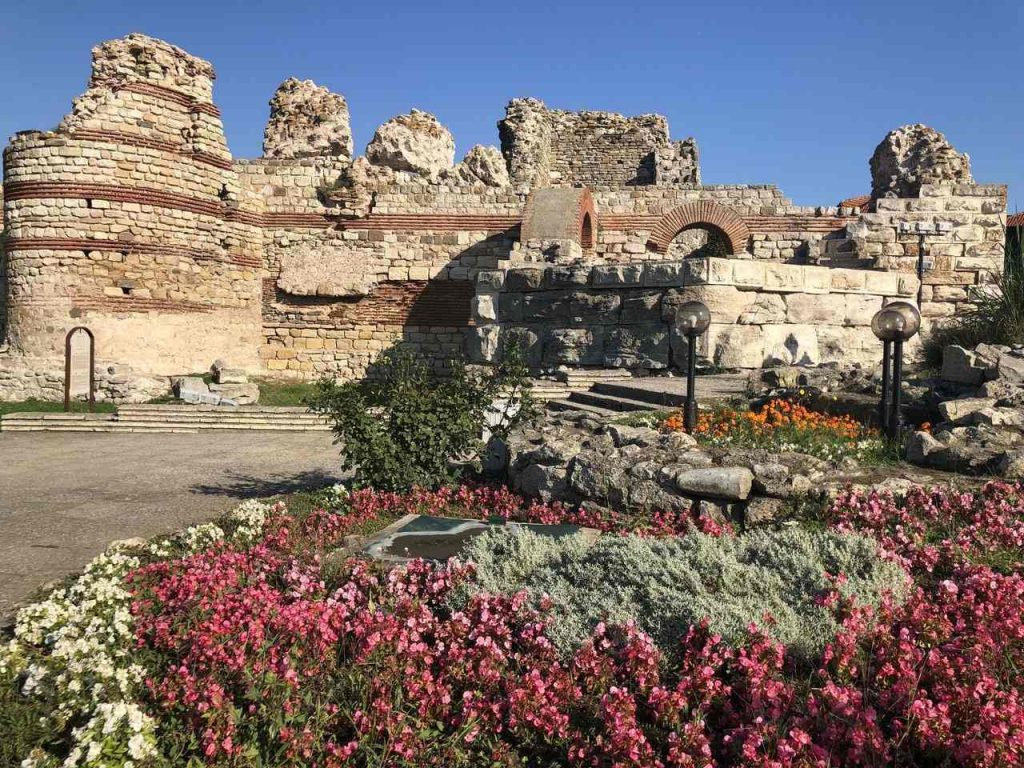
5. Nessebar Old Town
The Black Sea Island Matrix of Wooden Windmills and Byzantine Brickwork
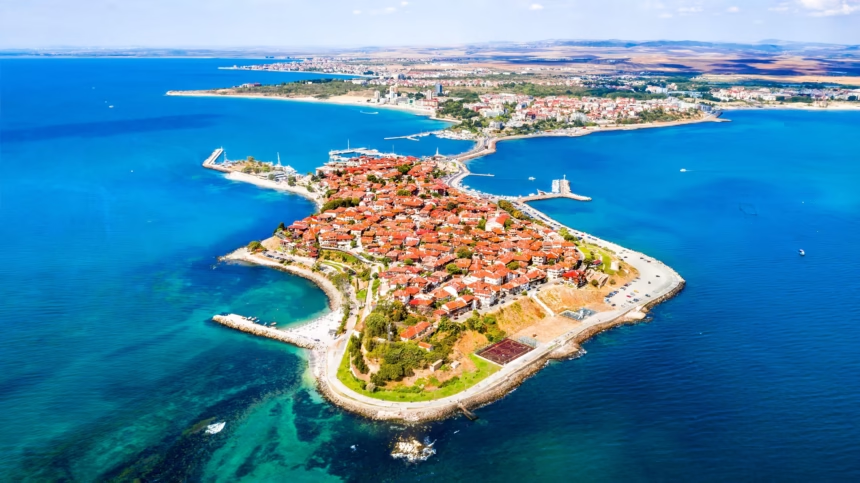
Sitting on a narrow, rocky rocky peninsula connected to the mainland by a slender, man-made causeway, this ancient island town is a true gem of the Black Sea coast.
- What it is famous for: Its dense concentration of 5th-to-14th-century Byzantine brick churches and its historic timber-clad seaside houses. Originally founded as a Thracian settlement before becoming a Greek colony and Roman port, Nessebar holds centuries of maritime history. Visitors walk past a landmark wooden windmill at the town gates to explore a maze of cobblestone alleys lined with red-tiled merchant homes, stumbling upon ruined basilicas like the Church of Saint Sophia around almost every corner.
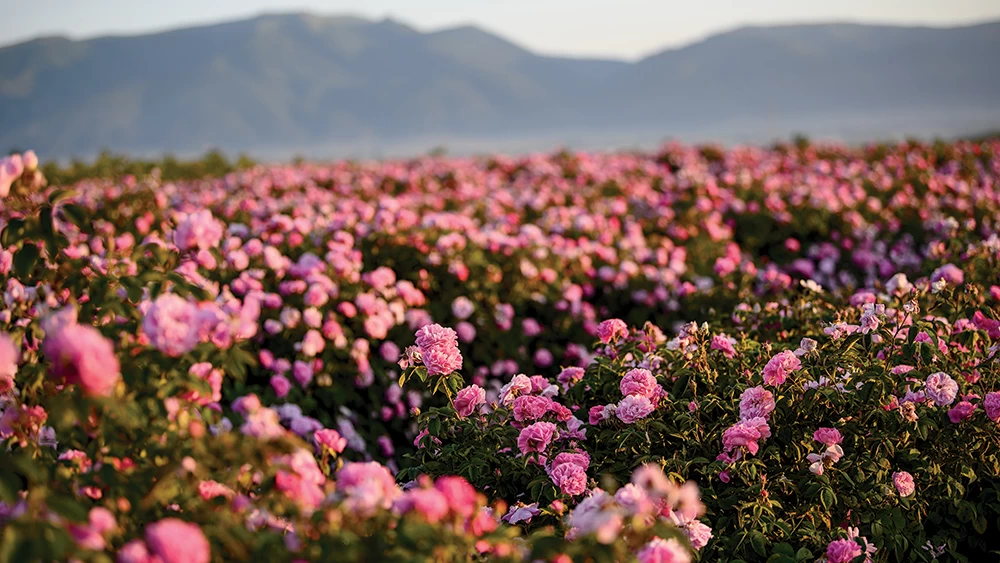
6. The Valley of the Roses & Thracian Tombs (Kazanlak)
The Fragrant Floral Plain of Essential Oils and Royal Mortuary Vaults
Nestled tightly between the sweeping southern slopes of the Balkan Mountains and the Sredna Gora ridge, this fertile central valley produces a vast majority of the world’s pure rose oil.
- What it is famous for: Its endless fields of pink Rosa Damascena and its UNESCO-protected ancient Thracian burial mounds. Every May and June, the valley transforms into a fragrant, pink landscape for the annual Rose Festival. Directly beneath these floral plains lie hidden archaeological treasures, most notably the Thracian Tomb of Kazanlak, a 4th-century BC brick burial vault famous for its remarkably preserved, lifelike frescoes depicting Hellenistic funeral feasts and chariot races.
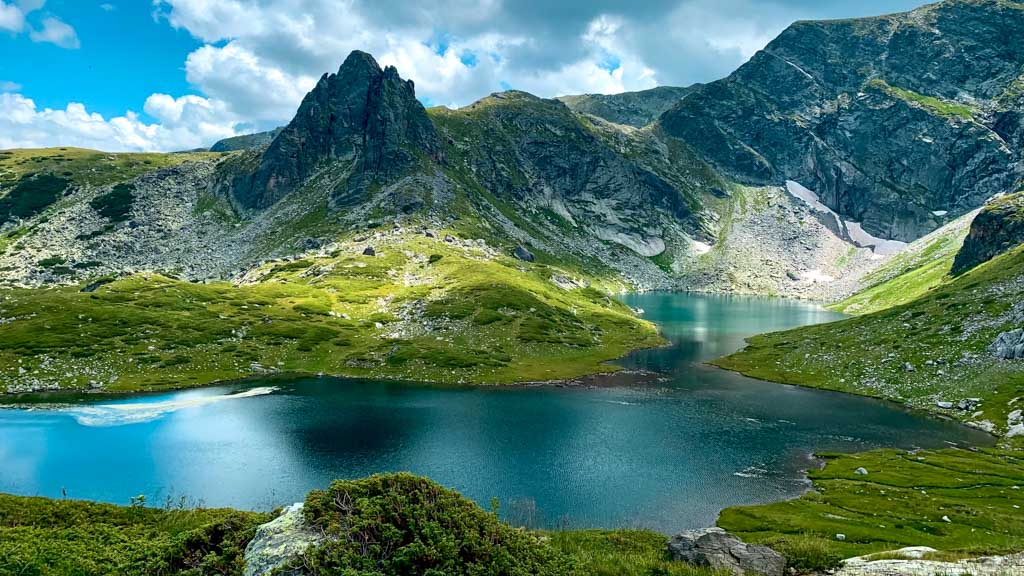
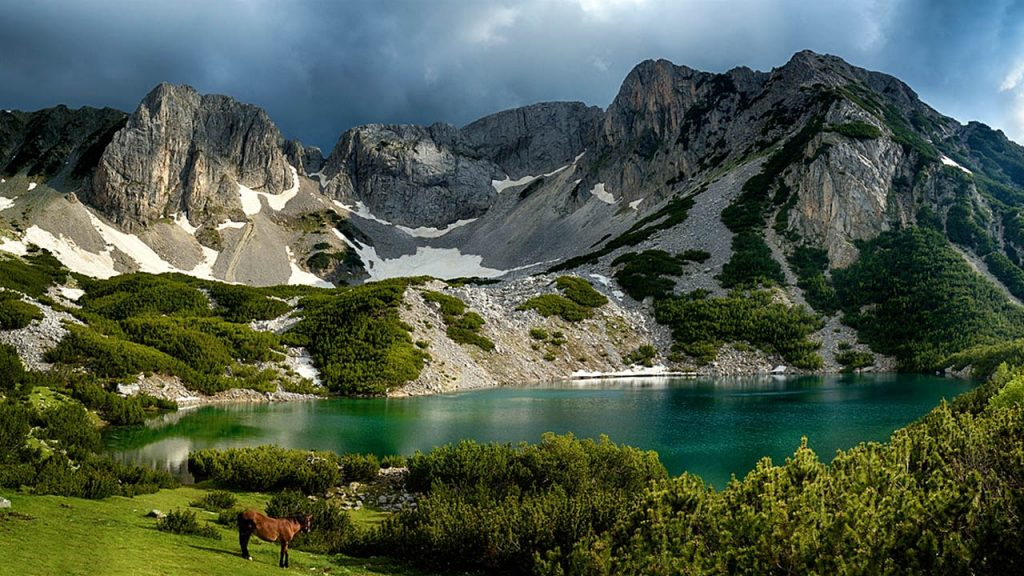
7. Seven Rila Lakes
The Glacial Skyway of Terraced Alpine Basins and Sacred Dance Circles
Perched high within the pristine alpine zone of the Northwestern Rila Mountains between 2,100 and 2,500 meters elevation, this spectacular group of glacial lakes is Bulgaria’s premier hiking destination.
- What it is famous for: Its seven crystal-clear glacial lakes terraced one above the other down a dramatic mountain basin. Each lake is named after its distinct shape, such as The Tear (the highest and clearest), The Eye (the deepest), and The Kidney. Every August, the lakes serve as the spiritual gathering point for the Universal White Brotherhood, who dress in pure white robes to perform a synchronized, circular cosmic dance (Paneurhythmy) along the grassy ridges.
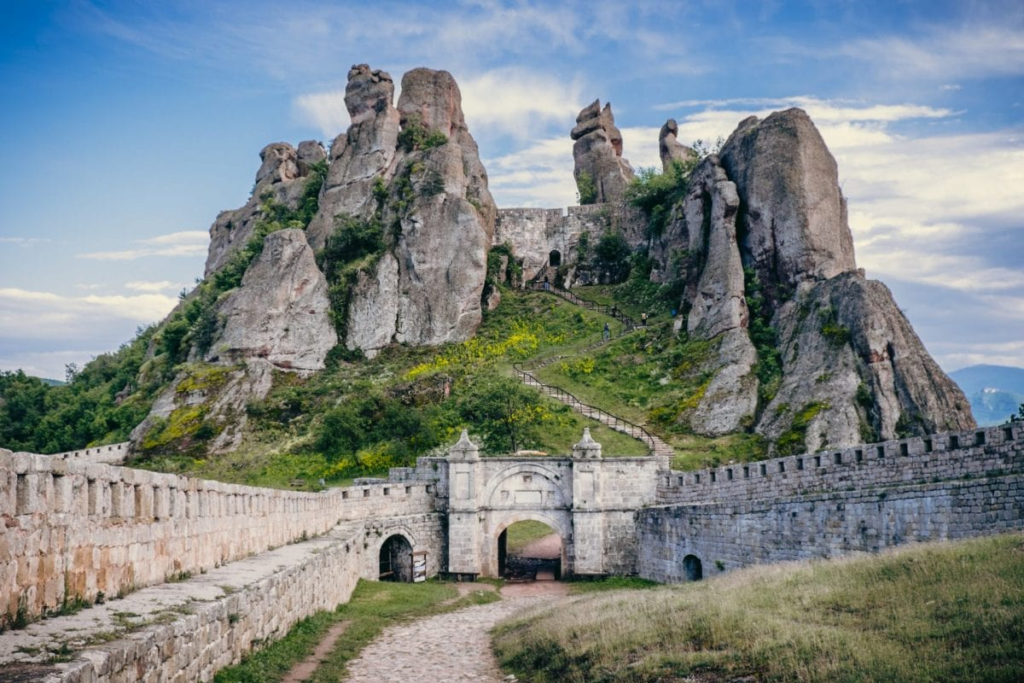
8. Belogradchik Rocks & Fortress
The Surrealist Red-Sandstone Matrix of Mythic Pillars and Roman Ramparts
Spreading out across the northern slopes of the Balkan Mountains near the Serbian border, this vast geological fairytale zone features thousands of bizarrely shaped rock formations.
- What it is famous for: Its towering, 200-meter-high red sandstone pillars and a historic fortress built directly into the natural stone crags. Sculpted by millions of years of erosion, the rocks resemble legendary figures, castles, and animals. The ancient Romans recognized the strategic value of these natural towers, building the Belogradchik Fortress directly into the rocks, using the vertical sandstone cliffs as impenetrable defensive walls that require no extra masonry.
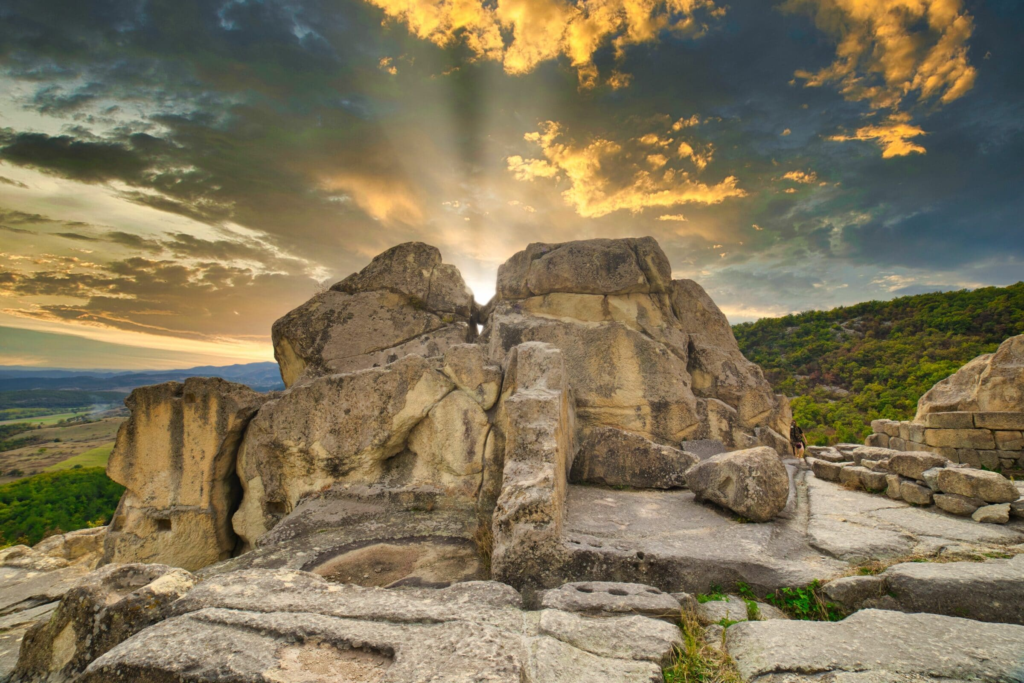
9. Perperikon
The Mountaintop Stone Megalith of Dionysian Fire Altars and Solar Prophecies
Perched on a high, wind-swept rocky citadel peak in the Eastern Rhodope Mountains, this monumental archaeological complex is one of the most ancient megalithic structures in Europe.
- What it is famous for: Being a colossal, hand-carved stone holy city featuring a legendary oracle dedicated to the god Dionysus. Dating back over 8,000 years to the Copper Age, the entire mountain crest was systematically cut, tunneled, and shaped out of solid rock. Archaeologists believe its massive circular fire altar was where ancient priests made prophecies for global rulers, including a legendary prophecy predicting the global conquests of Alexander the Great.
10. Pirin National Park & Bansko
The Jagged Marble Horizons of Centuries-Old Pines and Ski Skyways
Dominating the southwestern corner of the nation, this rugged alpine park centers around the towering marble peak of Mount Vihren (2,914 meters) and the historic mountain town of Bansko at its base.
- What it is famous for: Its dramatic glacial topography, centuries-old Bosnian pine forests, and world-class winter ski slopes. The park protects incredibly diverse flora and fauna, including the Baykuchevata Mura—Bulgaria’s oldest conifer tree at over 1,300 years old. At the park’s gateway sits Bansko, which seamlessly pairs a historic, stone-walled old town quarter with a modern ski infrastructure that makes it Europe’s premier hotspot for digital nomads.
11. Balchik Palace & Botanical Garden
The Seaside Architectural Sanctuary of Romanian Queens and Exotic Cacti
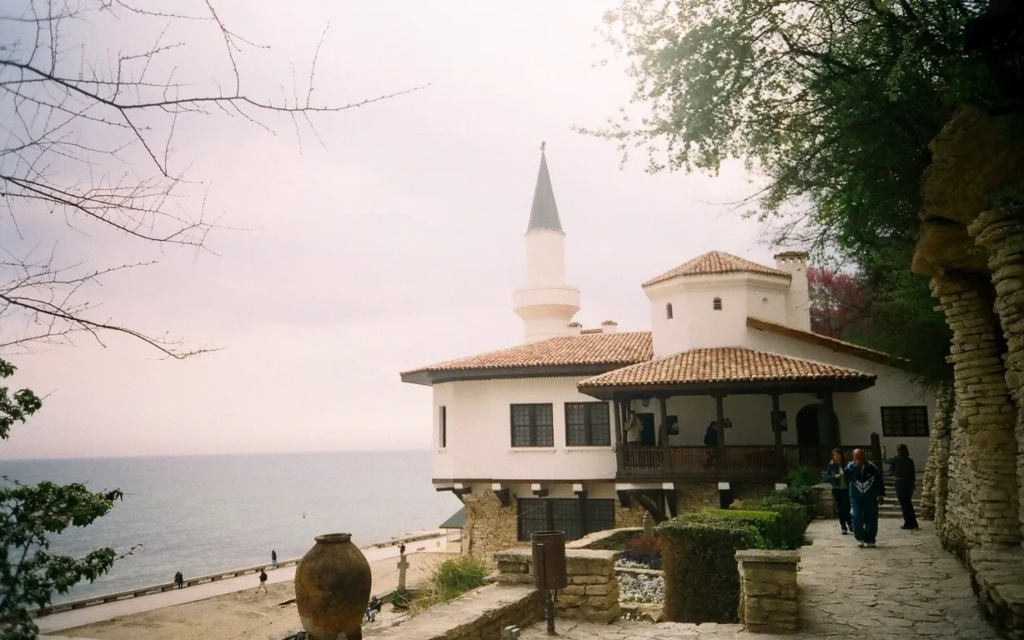
Clinging elegantly to the white limestone cliffs of the northern Black Sea coast, this high-concept royal summer retreat blends European and Oriental design sensibilities.
- What it is famous for: Its eclectic seaside palace built for Queen Marie of Romania and its sprawling, world-class botanical terraces. Constructed in the 1920s, the palace features a striking minaret tower standing alongside a Christian chapel, reflecting the queen’s bahá’í faith and love for cultural harmony. The surrounding terraced gardens cascade down to the sea, housing an internationally renowned collection of over 3,000 plant species, including a massive outdoor cactus wall.