
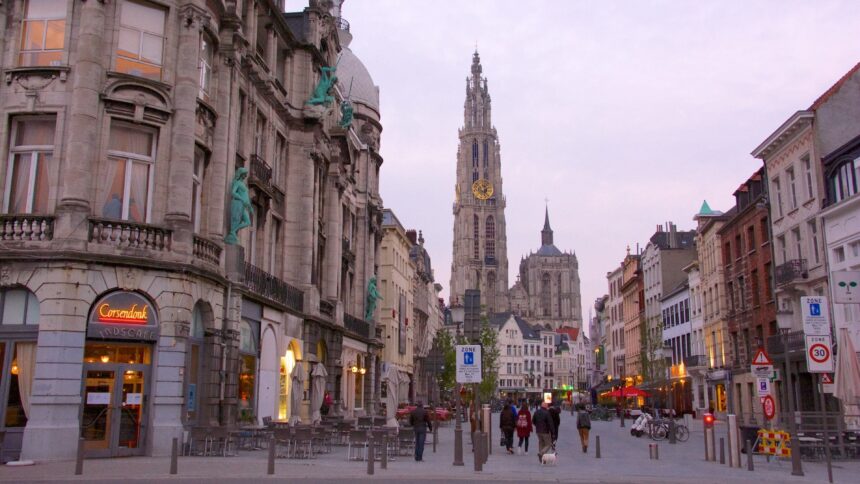
Antwerp, fanning out grandly along the wide banks of the Scheldt River in northern Flanders, operates on a dual layout that fuses a gold-age mercantile past with a fierce, cutting-edge contemporary spirit.
Positioned as one of the world’s premier shipping gateways, its deep river docks turned the city into the undisputed economic powerhouse of Europe during the 16th century.
It became a magnet for global wealth, a sanctuary for bold Renaissance printers, and the creative playground where master painter Peter Paul Rubens revolutionized the high Baroque style.
Today, Antwerp is Belgium’s second-largest city and a pulsing global capital for both the international diamond trade and radical avant-garde fashion design.
The city seamlessly combines the old-world grandeur of its historic plazas with the sharp, industrial lines of its vast northern port blocks.
Famous for its crispy, cone-stacked Belgian fries, spicy gingerbread cookies (Antwerpse Handjes), deep amber Bolleke beers, and an artistic, confident lifestyle.
1. Grote Markt & The Brabo Fountain
The Gilded Renaissance Runway of Guild Pride and Mythic Giants
Spreading out as the monumental, cobblestone heart of Antwerp’s old town block network, this dramatic public square is bounded by a spectacular array of 16th-century architectural masterworks.
- What it is famous for: Its towering, gold-topped Renaissance guildhouses and the bronze Brabo Fountain. The square is anchored by the Brabo Fountain (completed in 1887), which depicts the mythical Roman soldier Silvius Brabo tossing the severed hand of a tyrannical giant into the Scheldt River—the folkloric origin of the city’s name (Hand-werpen). The fountain stands framed by the monumental 15th-century Town Hall, blending Italian Renaissance style with traditional Flemish gables.
2. Antwerp Central Station (Antwerpen-Centraal)
The Eclectic Stone Cathedral of Imperial Train Paths
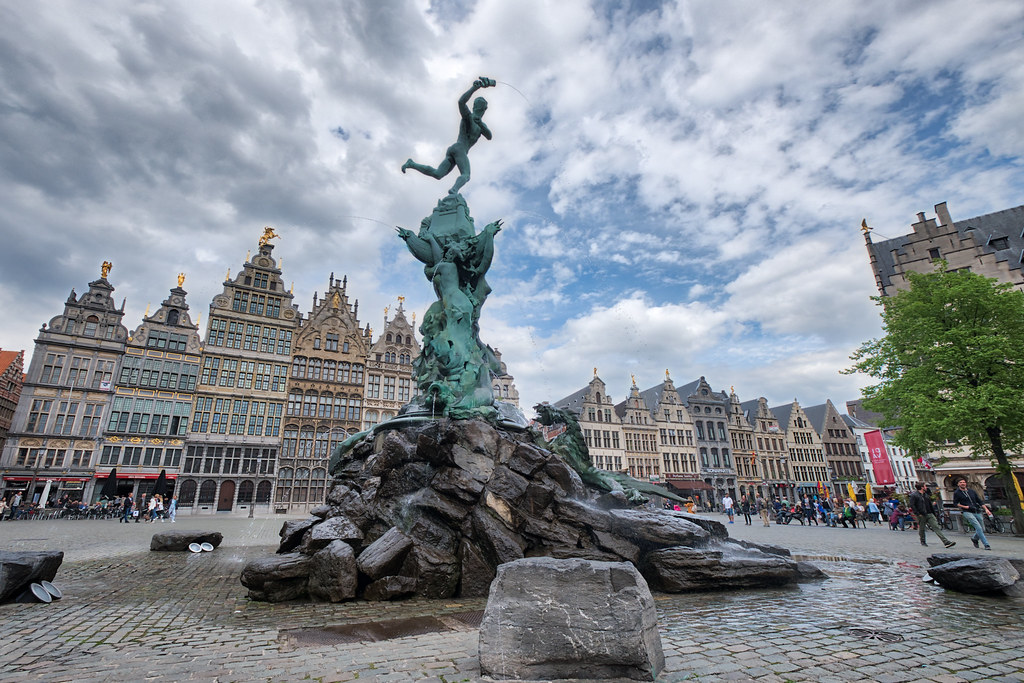
Dominating the bustling eastern gateway of the inner city, this monumental railway terminal is widely celebrated as one of the most beautiful public transport hubs ever constructed.
- What it is famous for: Its colossal, 75-meter-high glass-and-iron dome and opulent multi-level train platforms. Built between 1895 and 1905 at the direction of King Leopold II, the station features an eclectic stone entrance hall that looks more like a grand cathedral or royal palace than a transit station. A massive engineering expansion allows high-speed international trains to slide effortlessly along track platforms stacked on three subterranean levels directly beneath the historic arches.
3. Cathedral of Our Lady (Onze-Lieve-Vrouwekathedraal)
The Soaring Gothic Sentinel of Rubens’ High Baroque Canvas Masterpieces
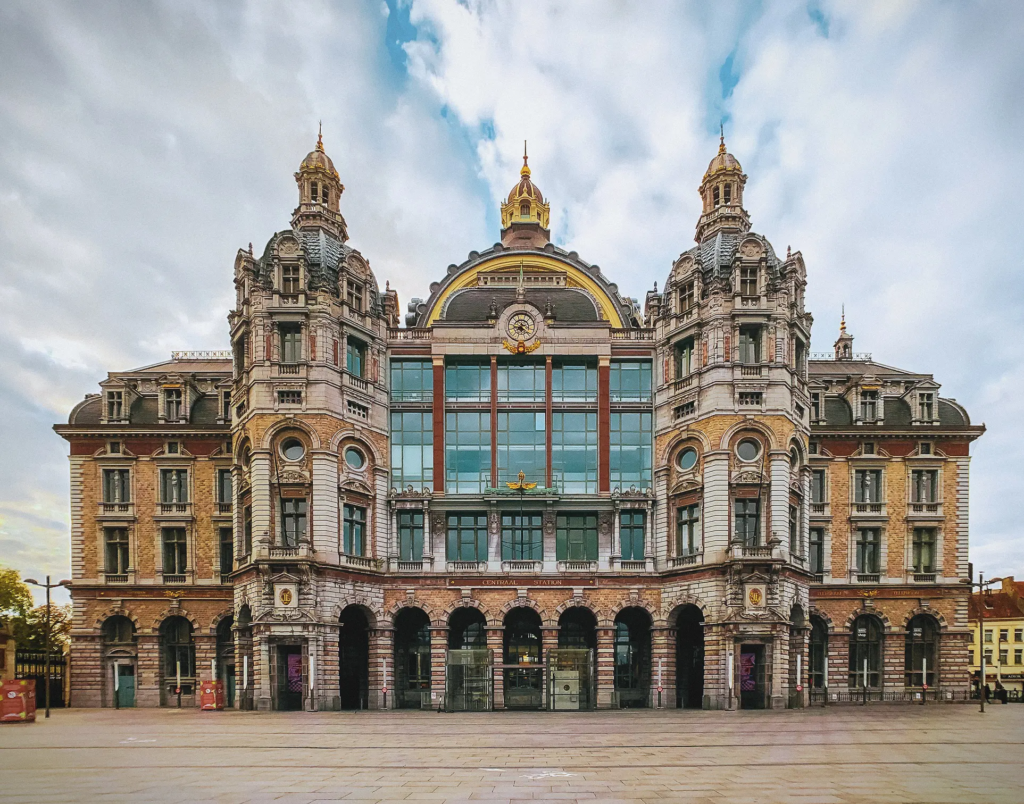
Commanding the skyline of the historic center, this monumental, seven-aisled house of worship stands as the largest and finest Gothic cathedral in the entire Low Countries.
- What it is famous for: Its soaring, 123-meter-high UNESCO-listed northern tower and housing four monumental Peter Paul Rubens altarpieces. While the exterior stonework is a display of lace-like Gothic masonry, stepping inside treats visitors to a grand gallery space. The cathedral walls are hung with Rubens’ undisputed multi-panel masterpieces—including The Elevation of the Cross and The Descent from the Cross—which display the dramatic lighting and emotional power of Flemish Baroque art.
4. The Rubens House (Rubenshuis)
The Italianate Palace Sanctuary of Antwerp’s Master Painter
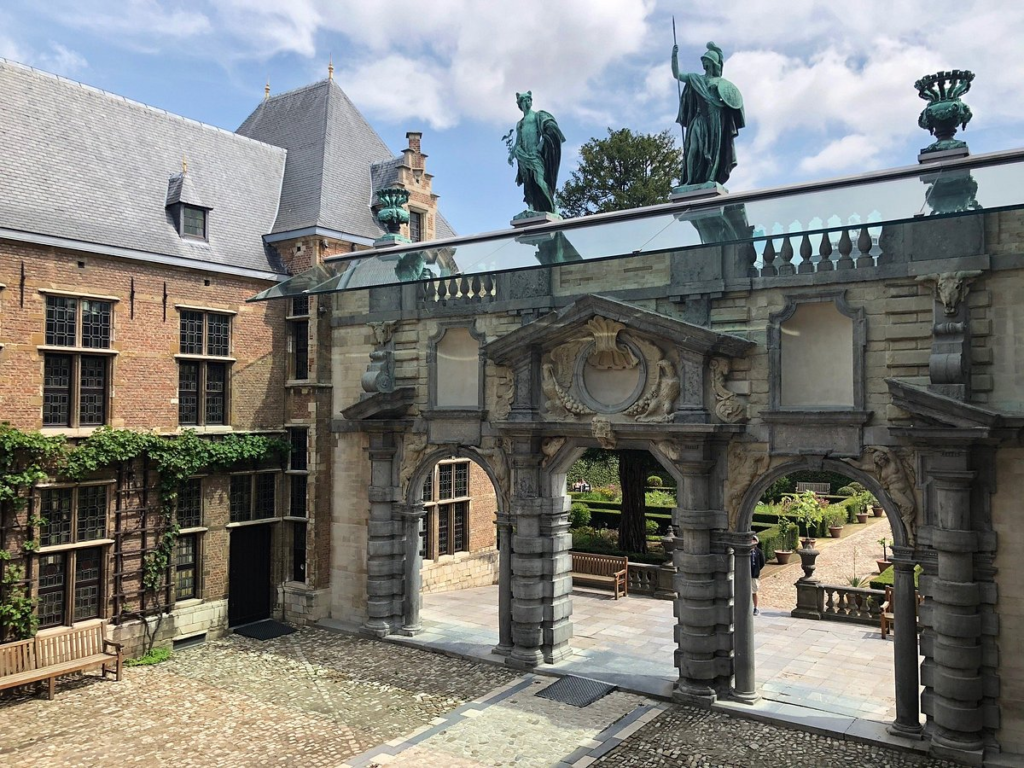
Tucked elegantly into the historic inner-city blocks of the Wapper square, this grand, multi-winged palace was personally designed and expanded by Peter Paul Rubens himself in 1610.
- What it is famous for: Being the authentic home, lush garden, and vaulted studio of the legendary painter. Inspired by the grand classical palazzos of Rome and Genoa, Rubens welded a traditional Flemish residential wing onto a spectacular Italian Baroque portico and courtyard layout. Visitors can walk through the high-ceilinged rooms where he entertained European royalty, explore his massive studio space, and view original self-portraits and paintings by his contemporary elite.
5. The Diamond Quarter (Diamantkwartier)
The High-Security Subterranean Matrix of Global Gemstone Wealth
Slicing through a compact square kilometer of tight street blocks directly adjacent to the main Central Station, this unassuming neighborhood handles the vast majority of the world’s raw diamonds.
- What it is famous for: Being the world’s leading diamond cutting and trading hub for over 500 years. Composed of four major diamond bourses and protected by military-grade security systems, roughly 84% of all rough diamonds on Earth pass through these high-security offices. While the trading floors are private, the surrounding streets are lined with a dense concentration of gemstone jewelers, cutting workshops, and diamond merchant centers reflecting the multi-cultural heritage of the city’s trade elite.
6. Museum aan de Stroom (MAS)
The Sandstone Tower Portal of Maritime and Global Cultural Histories
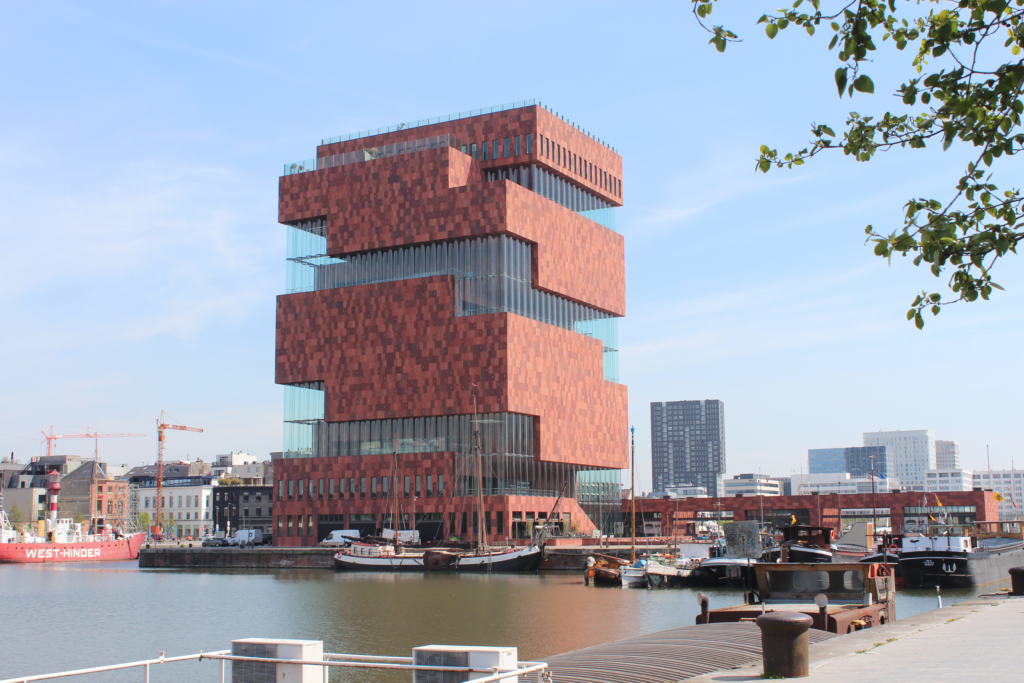
Rising sharply like an 10-story geometric tower block within the historic northern docklands of the Eilandje district, this striking museum is an architectural monument to the city’s shipping lineage.
- What it is famous for: Its daring, red Indian sandstone design and a 360-degree open-air rooftop panorama. Designed by Neutelings Riedijk Architects, the building features alternating layers of red stone blocks and massive waves of curved glass sheets. Inside, the galleries track Antwerp’s centuries of global maritime trade connections, while escalators wrap around the outer core to treat visitors to shifting, panoramic vistas of the active river docks.
7. The Plantin-Moretus Museum
The Sacred Renaissance Cloister of Gutenberg Printing Presses
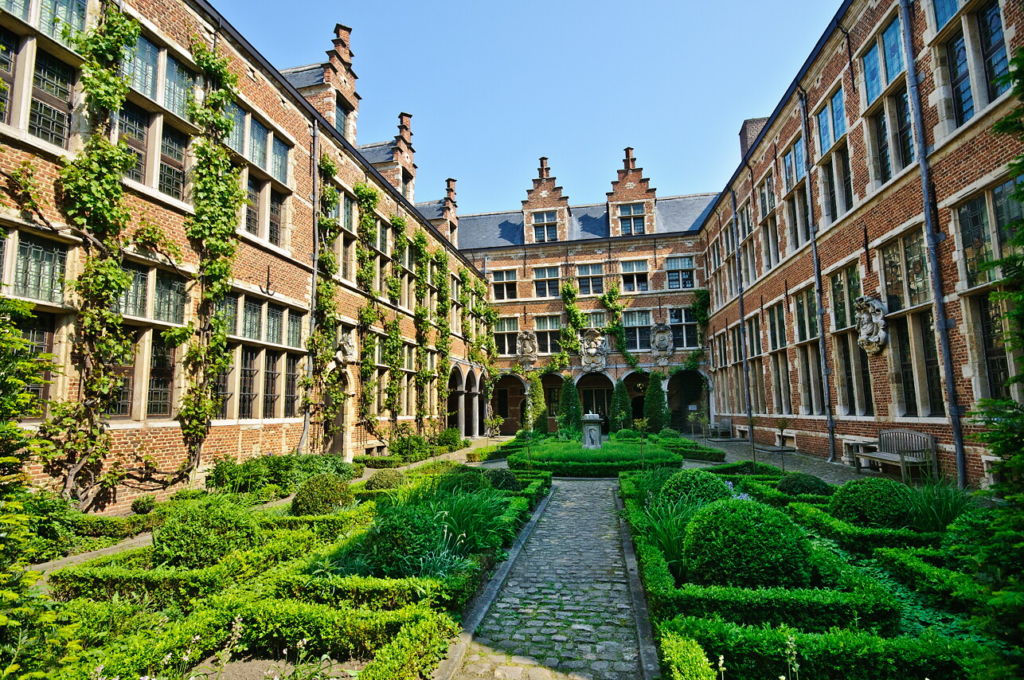
Nestled quietly behind a heavy oak entry door on the historic Vrijdagmarkt square, this expansive, 16th-century patrician residence stands proud as the only museum in the world listed as a UNESCO World Heritage site.
- What it is famous for: Housing the world’s two oldest surviving printing presses and a priceless library of Renaissance typography. This structure served as the home and printing workshop of Christoffel Plantin and Jan Moretus, who operated the premier publishing house in Europe. Visitors can explore the preserved, wood-paneled typesetting rooms, marvel at original copper plates, and walk through a tranquil, plant-lined inner courtyard that has remained unchanged for 400 years.
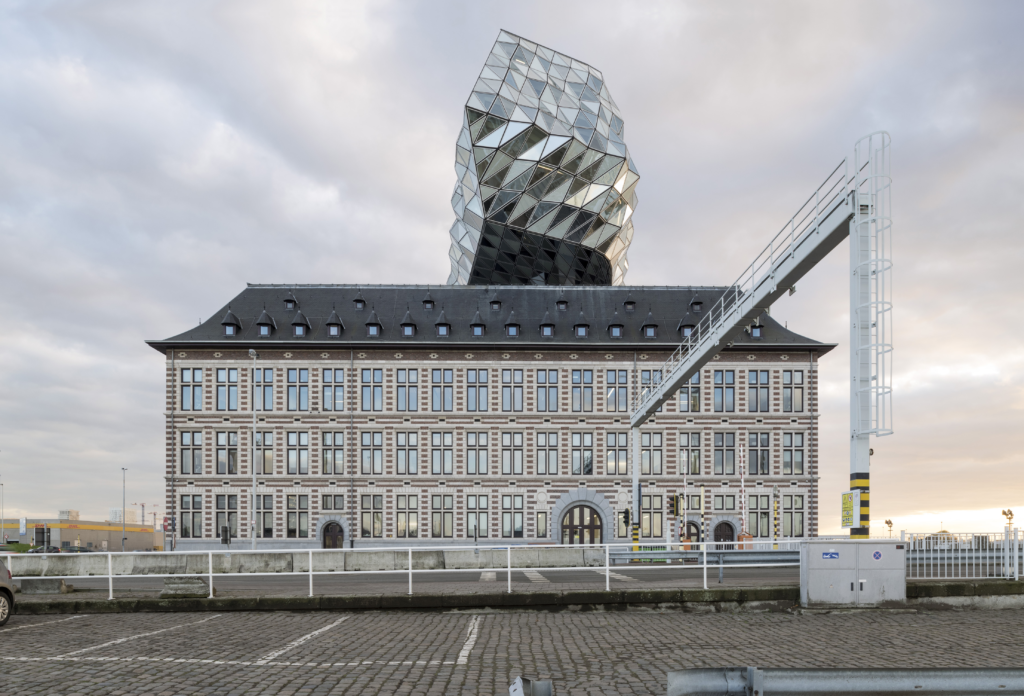
8. The Port House (Havenhuis)
The Futuristic Glass Vessel of Zaha Hadid’s Maritime Vision
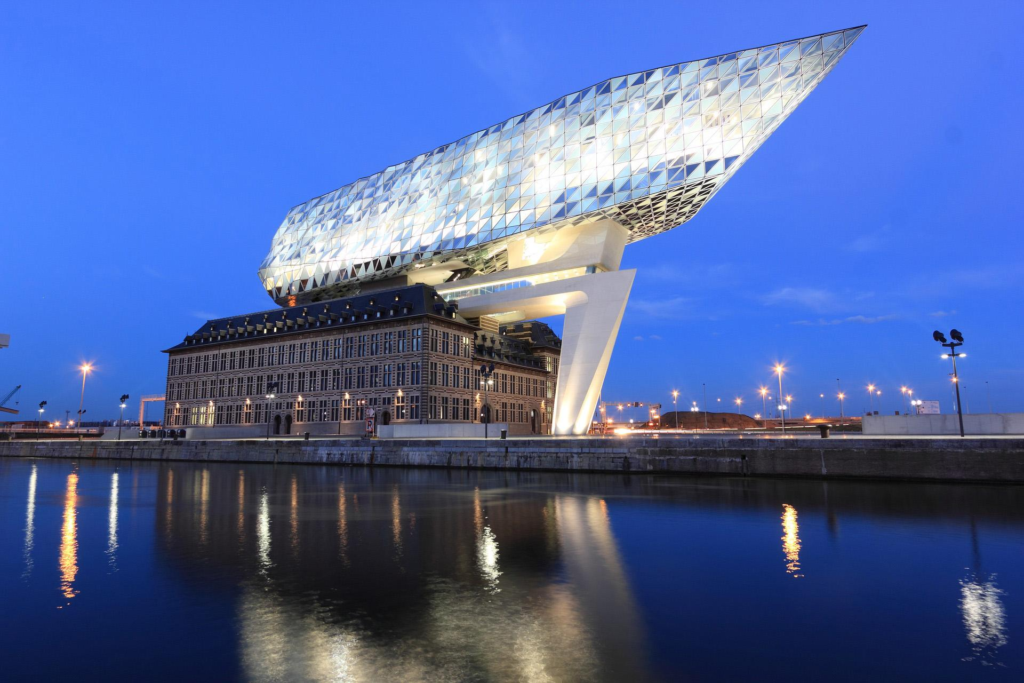
Commanding the northern harbor mouth where the city grids meet the industrial shipping canals, this breathtaking public headquarters stands as a premier icon of 21st-century architectural engineering.
- What it is famous for: Its daring, diamond-faceted crystalline hull floating over a historic fire station. Designed by legendary architect Dame Zaha Hadid and completed in 2016, the structure positions a massive, 111-meter-long asymmetric glass ship hull directly on top of a restored, century-old brick fire house. The faceted glass skin reflects the shifting light of the Scheldt River and the sky, symbolizing Antwerp’s status as a diamond capital and an economic titan.
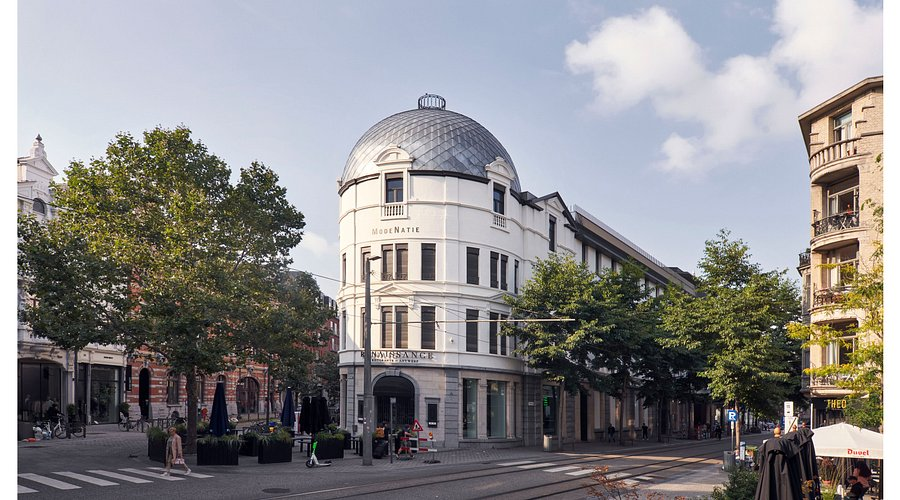
9. MoMu (Fashion Museum Antwerp) & Nationalestraat
The Avant-Garde Fabric Runway of the Legendary Antwerp Six
Situated inside the vibrant historic fashion district along the bustling retail corridor of Nationalestraat, this sleek cultural institute is the beating heart of Belgian style.
- What it is famous for: Its world-class collection of contemporary garments and celebrating the radical Antwerp Six designers. In the late 1980s, a group of local academy graduates—including Dries Van Noten and Ann Demeulemeester—stunned the global fashion world with their deconstructed, avant-garde styles. The museum hosts changing, high-concept exhibitions that showcase how this small city evolved into a major global incubator for radical fashion experimentation.
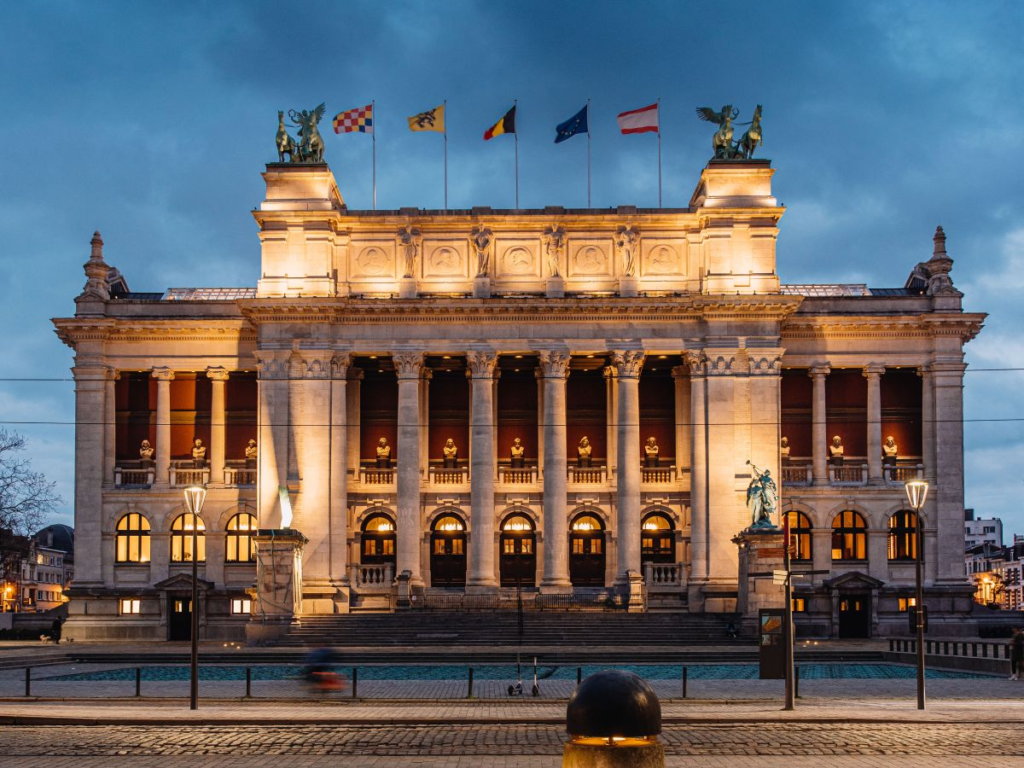
10. Royal Museum of Fine Arts Antwerp (KMSKA)
The Neoclassical Palace of Flemish Masters and Modern Avants
Dominating the southern art district of Het Zuid, this monumental, columned neoclassical palace reopened its doors after an extensive, decade-long high-tech interior transformation.
- What it is famous for: Its unrivaled collection spanning seven centuries of art, from Jan van Eyck to James Ensor. The historic building cleverly hides a hyper-modern, stark white interior museum tract within its traditional neoclassical walls. Visitors can trace the complete evolution of Flemish art, walking beneath high ceilings to view massive canvas pieces by Rubens, Anthony van Dyck, and the world’s largest collection of surrealist master James Ensor.
11. Het Steen (The Stone Castle)
The Medieval Rocky Fortress of River Kings and Port Gateways
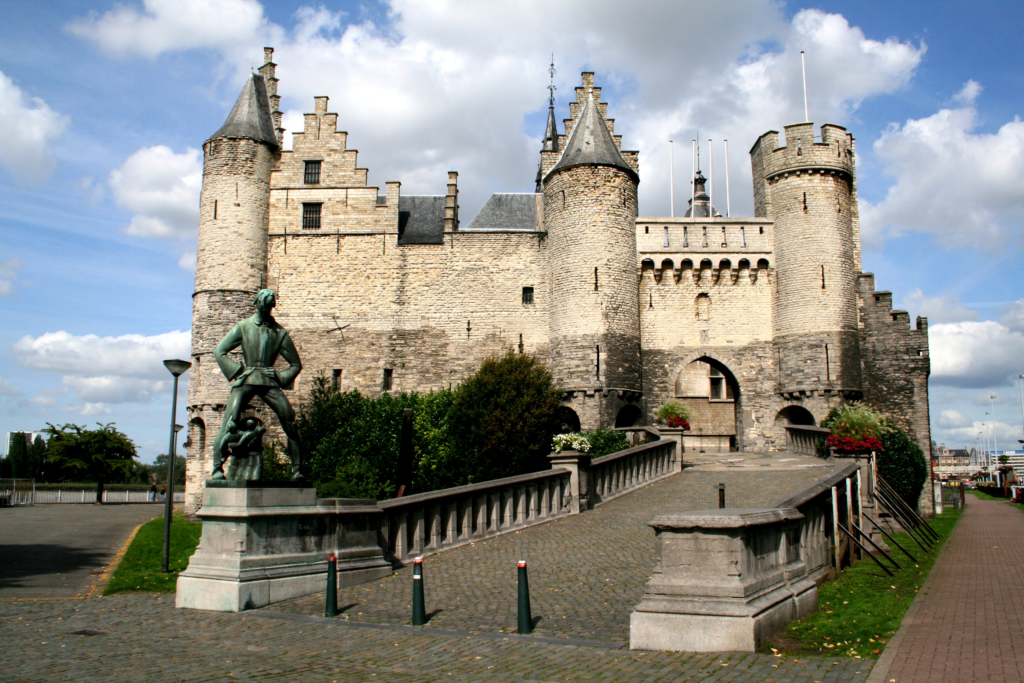
Perched prominently on a raised stone bluff overlooking the historic promenade of the Scheldt River, this heavily fortified, stone castle palace stands proud as the oldest surviving building in Antwerp.
- What it is famous for: Its medieval defensive turrets and functioning as the historic gateway into the city. Originally constructed in the early 13th century to control access to the river currents, the castle has served over the centuries as a fortress, a prison, and a saw mill. Beautifully restored, the structure today houses a visitor center and an interactive historical experience hall, greeting travelers exactly where old maritime trade routes first met the city walls.