
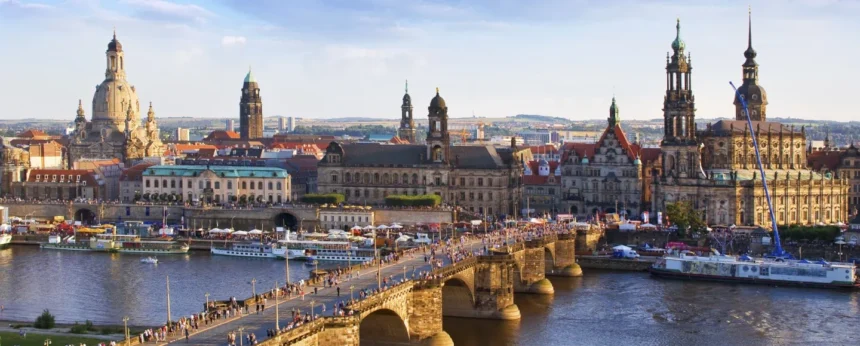
Dresden, the capital of Saxony, is a city of stunning architectural resurrection. Nestled beautifully along the banks of the winding Elbe River, it earned the nickname “Florence on the Elbe” due to its spectacular wealth of grand Baroque buildings and world-class art collections.
Tragically, the city center was almost entirely flattened by Allied bombing raids in February 1945. What makes modern Dresden so awe-inspiring is how its citizens meticulously rebuilt its historic heart stone-by-stone from the rubble.
Today, it stands as a breathtaking cultural powerhouse where deep historical scars meet a vibrant, youthful modern lifestyle.
Here are the top 11 famous places to visit in Dresden, what they are known for.
1. Frauenkirche (Church of Our Lady)
The Ultimate Symbol of Reconstruction
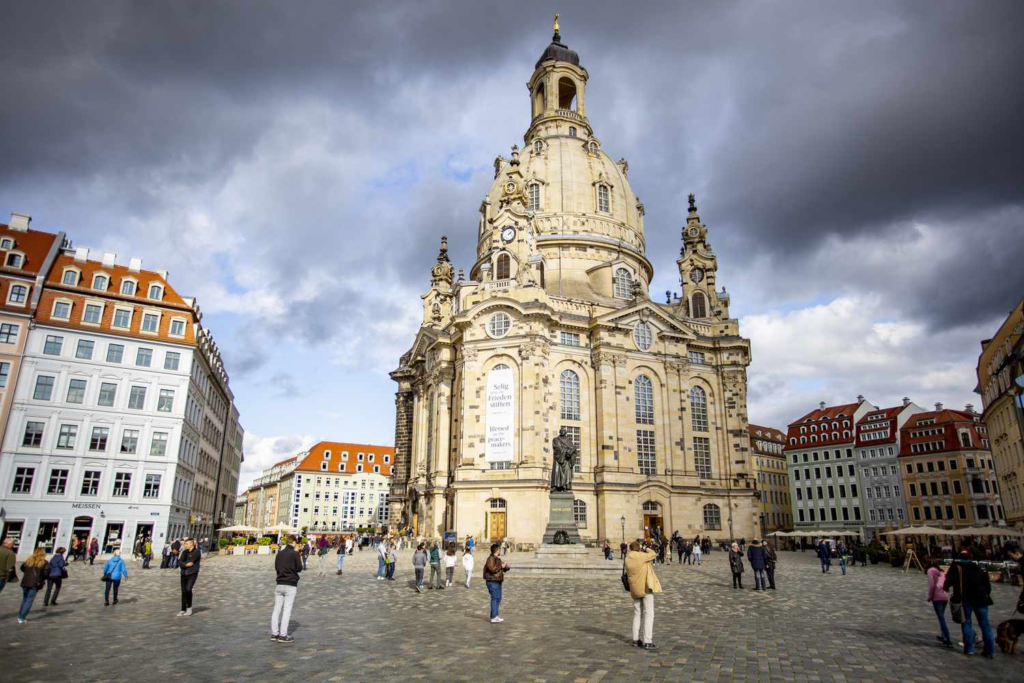
Dominating Dresden’s central square, the Frauenkirche is a soaring Baroque church topped by one of the largest stone domes in Europe. For decades after World War II, it sat as a dark mound of rubble—left intentionally as an anti-war monument.
- What it is famous for: Its miraculous stone-by-stone reconstruction, completed in 2005 using over 3,800 original salvaged blocks. The dark, charred original stones are clearly visible against the new, lighter sandstone, creating a striking mosaic of memory and healing.
2. Zwinger Palace
A Royal Stage of Baroque Opulence
The Zwinger is a magnificent, palatial complex featuring a sprawling inner courtyard, fountains, and formal gardens, commissioned by Augustus the Strong in the early 18th century.
- What it is famous for: Its exquisite Rococo pavilions and world-class museums. The complex houses the Old Masters Picture Gallery—home to Raphael’s legendary Sistine Madonna—as well as an immense collection of priceless royal porcelain and historic scientific instruments.
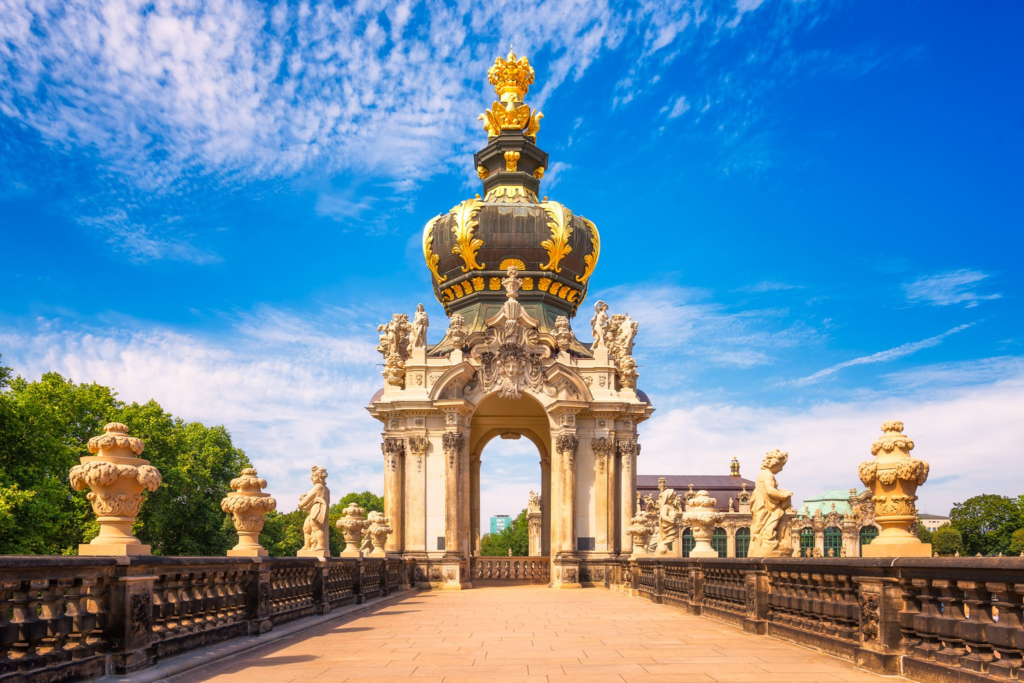
3. Semperoper (Semper Opera House)
A Monument to Musical Greatness
Situated proudly on Theaterplatz, the Semperoper is one of the most celebrated and architecturally beautiful opera houses in the world, built in the High Renaissance style.
- What it is famous for: Its incredible acoustics and rich musical heritage. It served as the premier stage for legendary German composers, hosting the world premieres of historic operas by Richard Wagner and Richard Strauss.
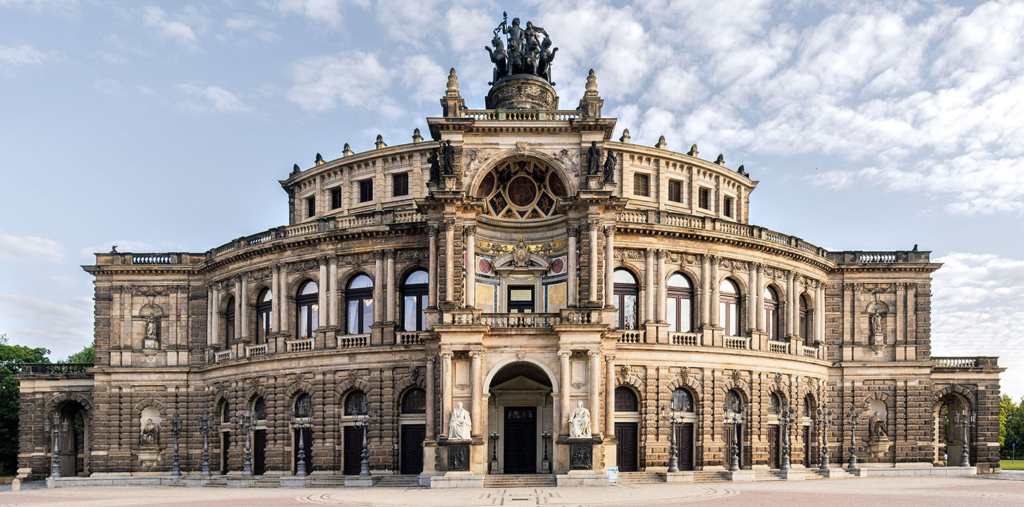
4. Brühl’s Terrace (Brühlsche Terrasse)
The Balcony of Europe
Stretching along the southern bank of the Elbe River, this grand, elevated promenade was originally constructed as part of Dresden’s medieval city fortifications.
- What it is famous for: Earning the title “The Balcony of Europe” from the writer Goethe. Walking along the terrace offers travelers an absolute classic panoramic view of the river traffic, the grand historic steamers, and the majestic skyline across the water.
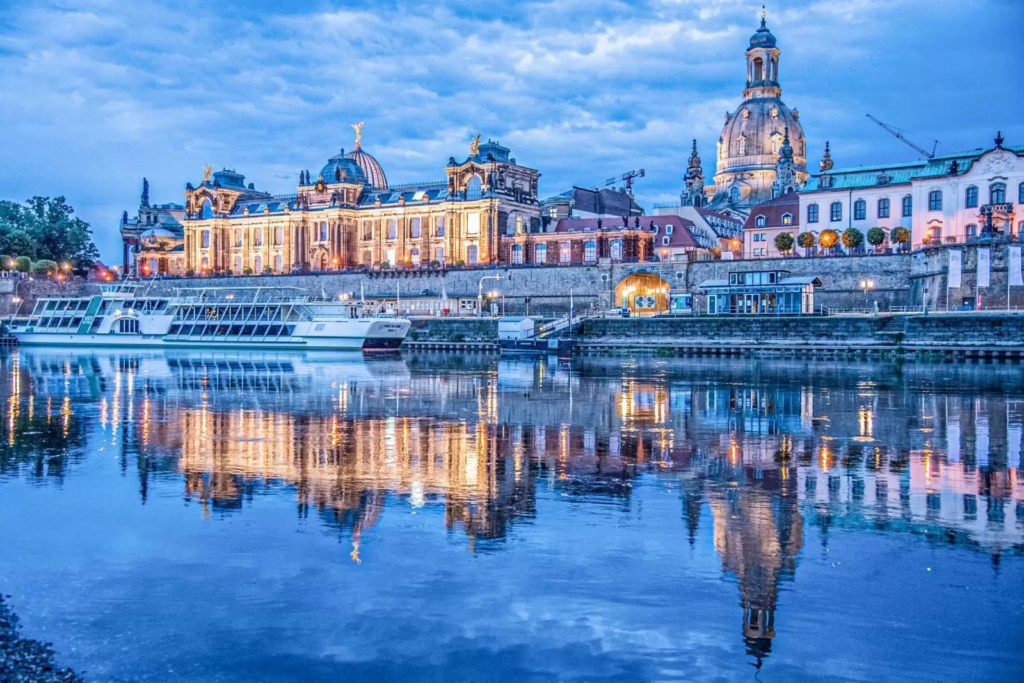
5. Procession of Princes (Fürstenzug)
The World’s Largest Porcelain Artwork
Tucked into an alleyway connecting Schlossplatz and Neumarkt, this monumental outdoor mural stretches across 102 meters on the outer wall of the Dresden Castle complex.
- What it is famous for: Being made entirely of roughly 23,000 tiles of priceless Meissen porcelain. The breathtaking artwork depicts a seamless timeline of the rulers of the House of Wettelsbach across nearly 800 years, miraculously surviving the 1945 firestorms completely unscathed.
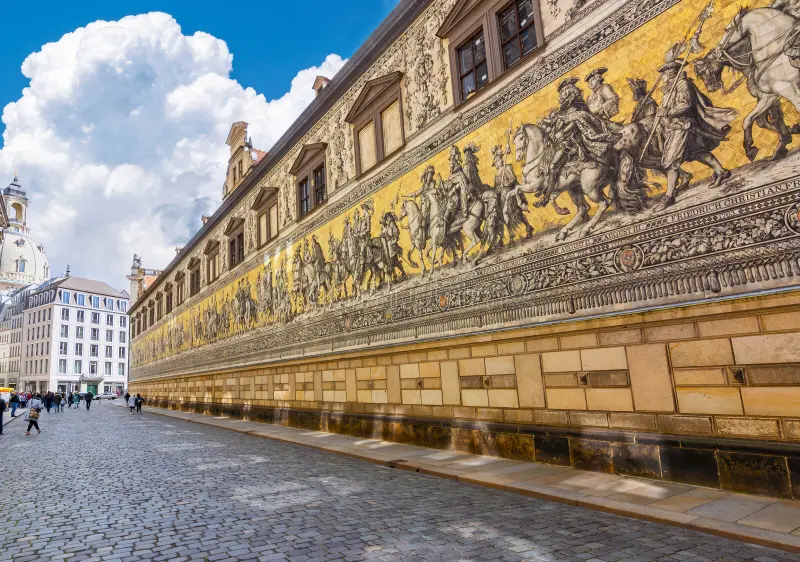
6. Dresden Royal Castle (Residenzschloss)
The Vault of Unimaginable Wealth
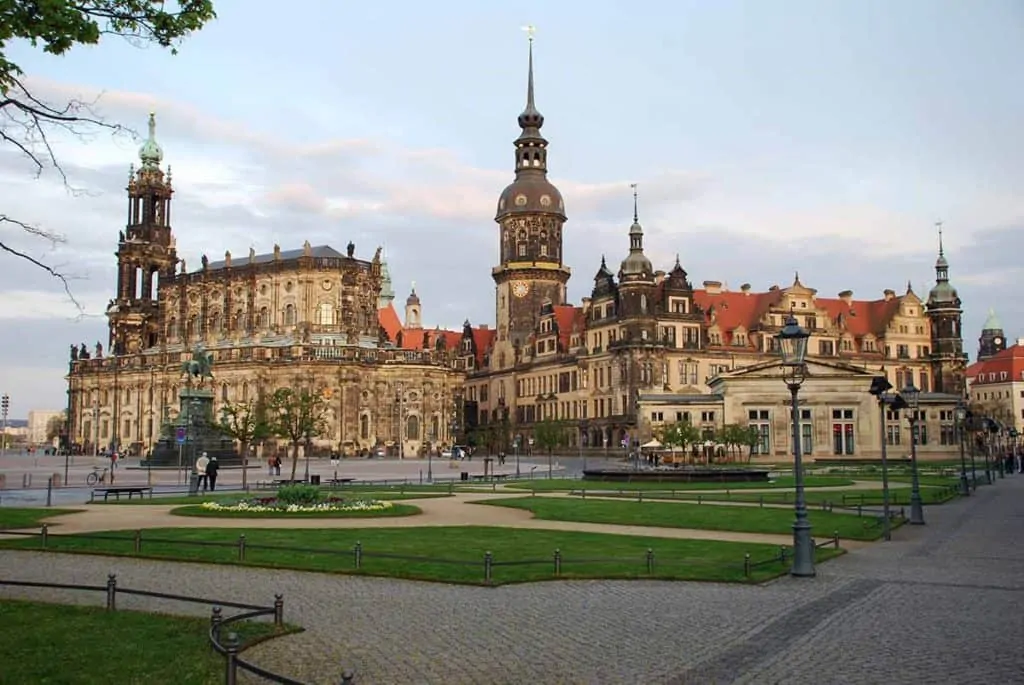
For nearly 400 years, this Renaissance-era palace complex served as the home and political center for Saxon electors and kings.
- What it is famous for: Housing the Historic Green Vault (Grünes Gewölbe), the richest royal treasury museum in Europe. Visitors can view a dazzling, high-security collection of gold, ivory, and gemstones, including the legendary Dresden Green Diamond.
7. Kunsthofpassage (Art Courtyard Passage)
The Creative Bohemian Heart
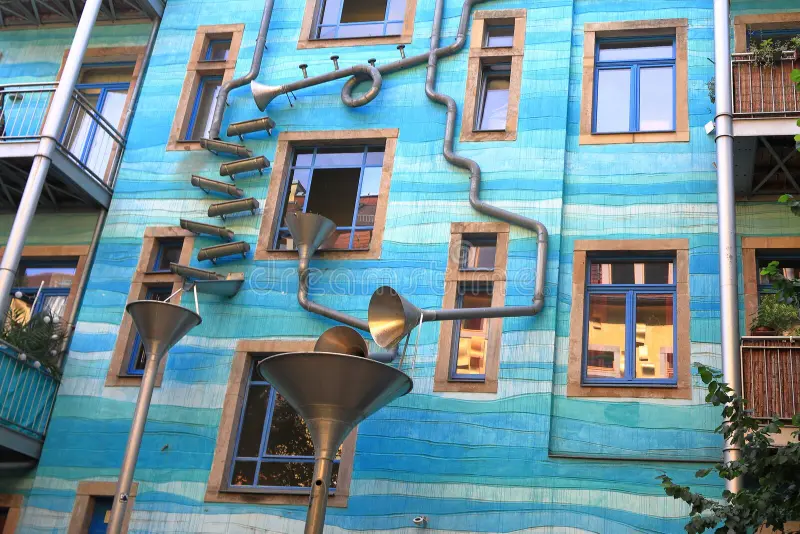
Located across the river in the gritty, youthful Neustadt (New Town) district, this unique attraction is a colorful network of five interconnected art courtyards.
- What it is famous for: The Courtyard of Elements, featuring a bright blue facade covered in a complex maze of metal drainpipes and gutters. When it rains, the water funnels through the pipes to play a whimsical, rhythmic musical concert for passersby.
8. Pillnitz Castle & Park (Schloss Pillnitz)
A Riverside Chinese-Inspired Retreat
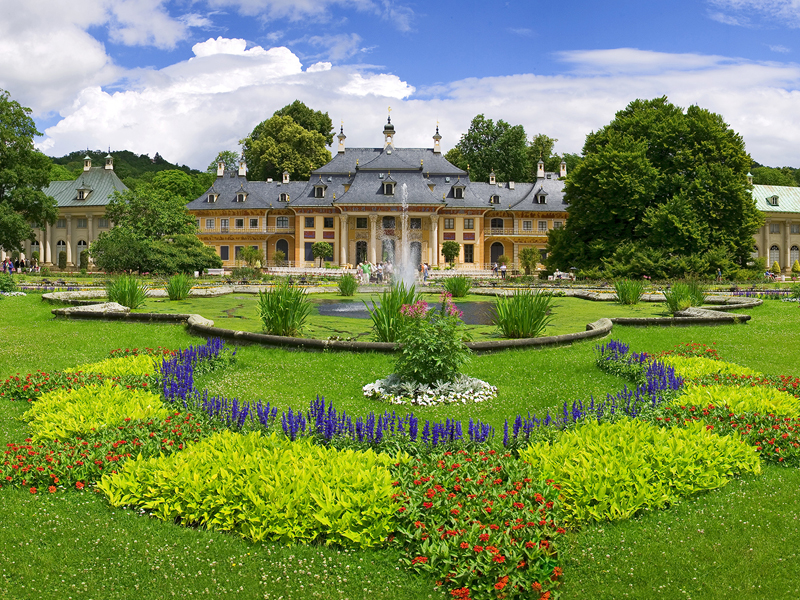
Located on the eastern outskirts of the city right along the banks of the Elbe, this beautiful palace complex serves as a striking example of 18th-century “Chinoiserie,” a European architectural style influenced by Chinese design.
- What it is famous for: Its unique architecture blending Baroque and Oriental styles, and its massive, English-style public parklands. The gardens are home to a legendary, 250-year-old Japanese camellia tree that requires a specially built mobile greenhouse to protect it during cold winter snaps.
9. Dresden Panometer
Stepping Into a 360-Degree Historic Illusion
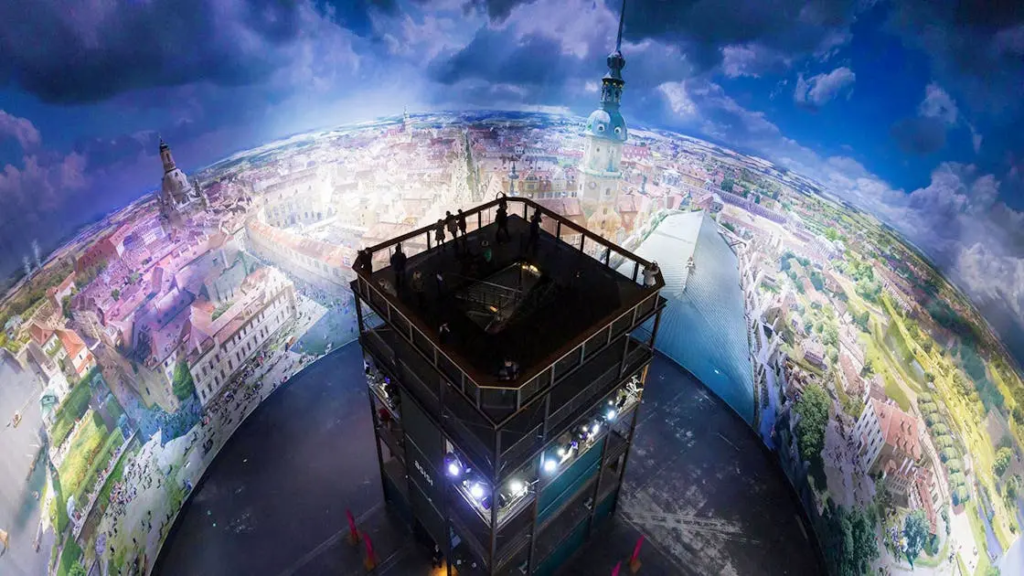
Housed inside a massive, historic 19th-century industrial gasometer tank in the Reick district, this unique exhibition space creates a jaw-dropping visual experience unlike any traditional museum.
- What it is famous for: Gigantic, 360-degree hyper-realistic panoramic artworks created by artist Yadegar Asisi. Standing on a central viewing tower, visitors are fully immersed in monumental visual representations of Dresden’s history—alternating between exhibitions showing the city at its Baroque peak in 1756 or the harrowing destruction of 1945.
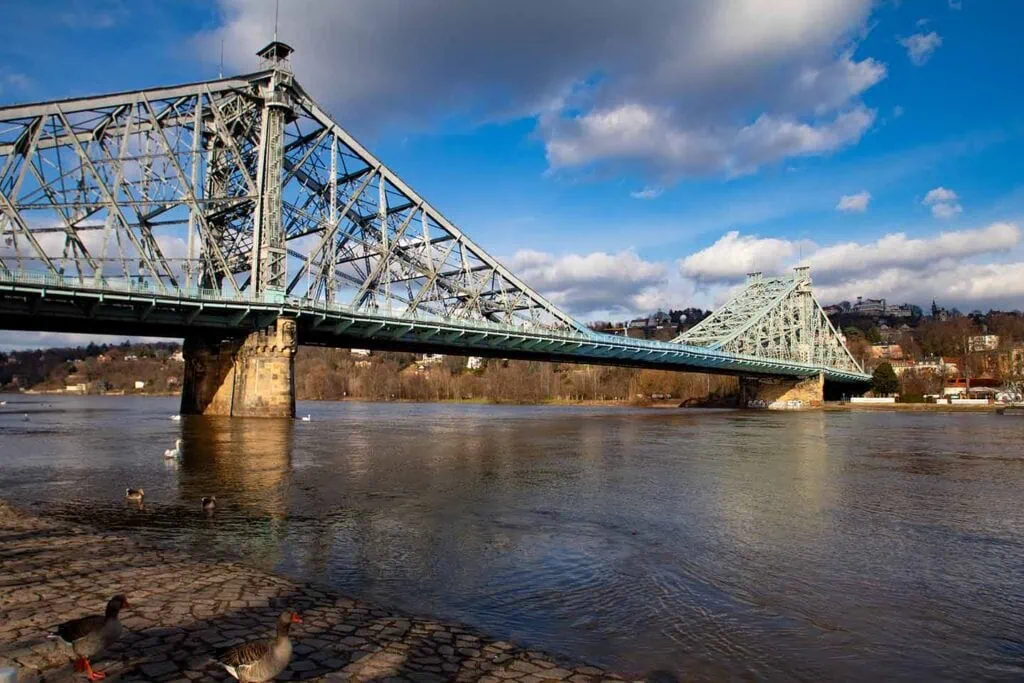
10. Loschwitz Bridge (The Blue Wonder)
An Industrial Engineering Icon
Spanning the Elbe River to connect the wealthy residential districts of Blasewitz and Loschwitz, this striking canted steel-truss bridge was completed in 1893 and was a massive leap forward in infrastructure design.
- What it is famous for: Its brilliant light-blue color and its local nickname, “The Blue Wonder” (Blaues Wunder). At the time of its construction, it was celebrated as a technological masterpiece because it spanned the wide river entirely without supporting pillars standing in the water.
11. Grosser Garten (Great Garden)
The Expansive Royal Baroque Parkland
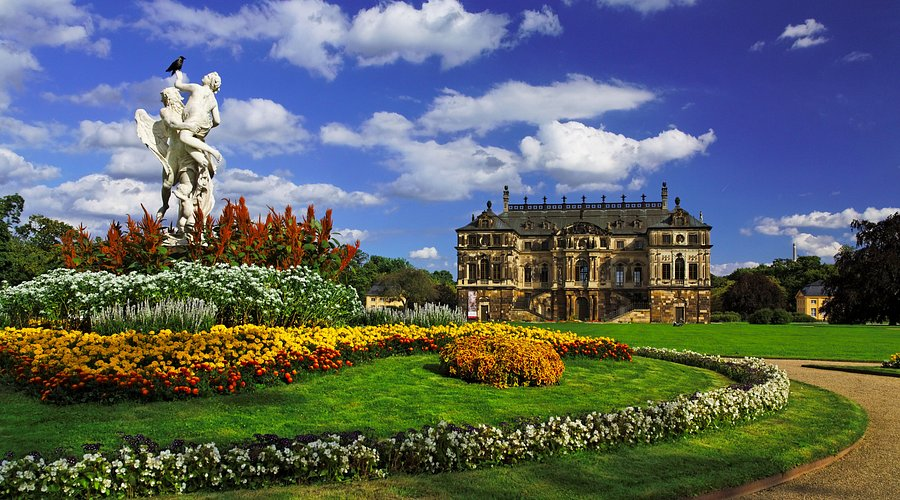
Spanning roughly 1.8 square kilometers just southeast of the city center, the Great Garden is Dresden’s largest and most beautiful public park, originally laid out in the late 17th century for the royal court.
- What it is famous for: The majestic Summer Palace, an early Baroque masterpiece sitting right at the center of the park’s geometric paths. Today, the park is a paradise for families and runners, featuring a mini miniature railway (Parkeisenbahn) operated largely by local youth volunteers, a large boating lake, and the adjacent Dresden Zoo.