
Hamburg, Germany’s second-largest city, is a majestic Hanseatic port town shaped entirely by water. Boasting more bridges than Venice and Amsterdam combined, this industrial powerhouse has transformed its historic trading docks into a world-class cultural hub.
Known for its breezy, maritime climate, rough-around-the-edges charm, and legendary nightlife, Hamburg seamlessly balances historic brick trade blocks with sleek modern engineering.
From the grand, sweeping curves of the Elbphilharmonie to the historic labyrinth of the warehouse district, here are the top 11 famous places to visit in Hamburg and why they belong on your travel itinerary.
1. Elbphilharmonie
The Crown Jewel of Modern Architecture
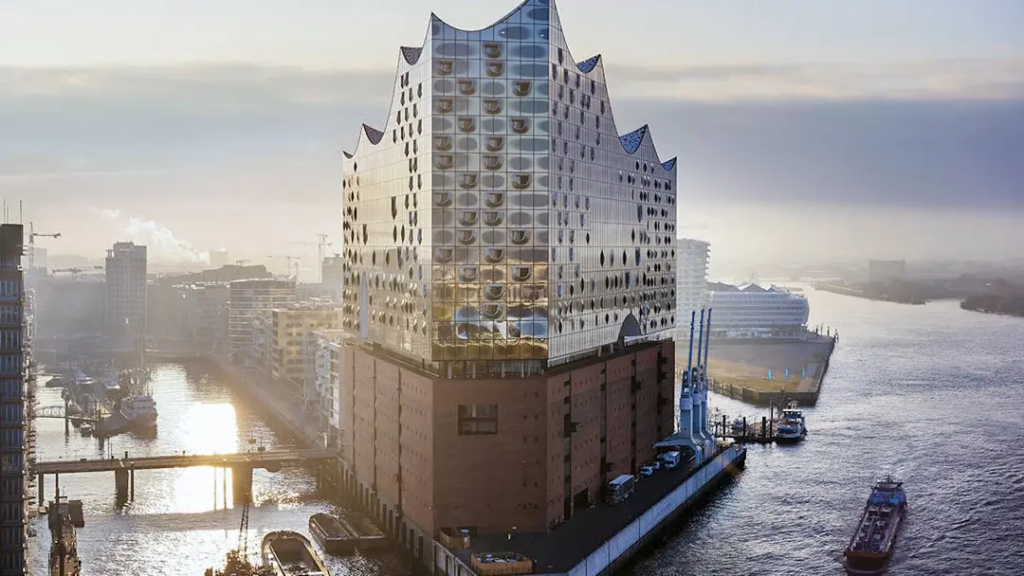
Dominating the western tip of the HafenCity district, the Elbphilharmonie—affectionately dubbed the Elphi is one of the largest and most acoustically advanced concert halls in the world.
- What it is famous for: Its breathtaking glass structure designed to mimic a massive cresting wave, sitting directly on top of a historic 1960s brick warehouse. Visitors can ride Europe’s longest curved escalator to the open-air “Plaza” observation deck for a stunning, unobstructed view of the roaring harbor below.
2. Speicherstadt
The Historic City of Red-Brick Warehouses
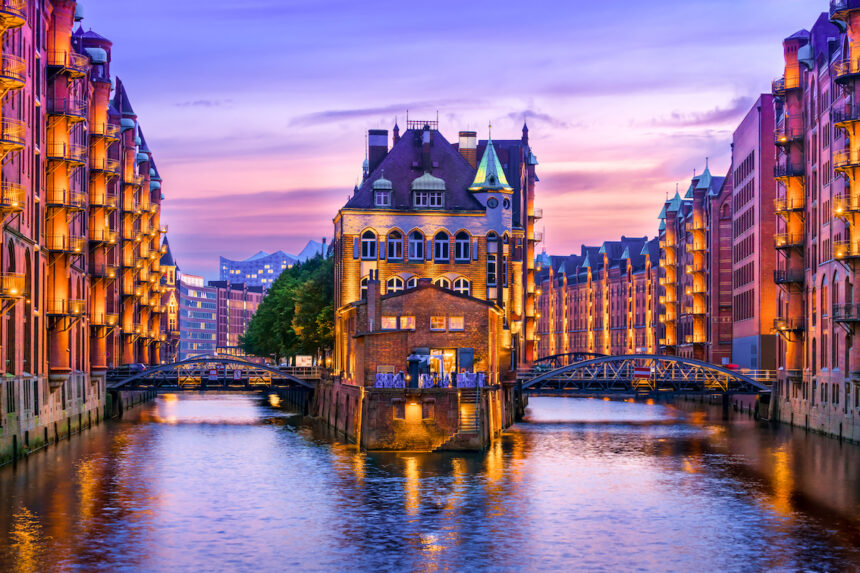
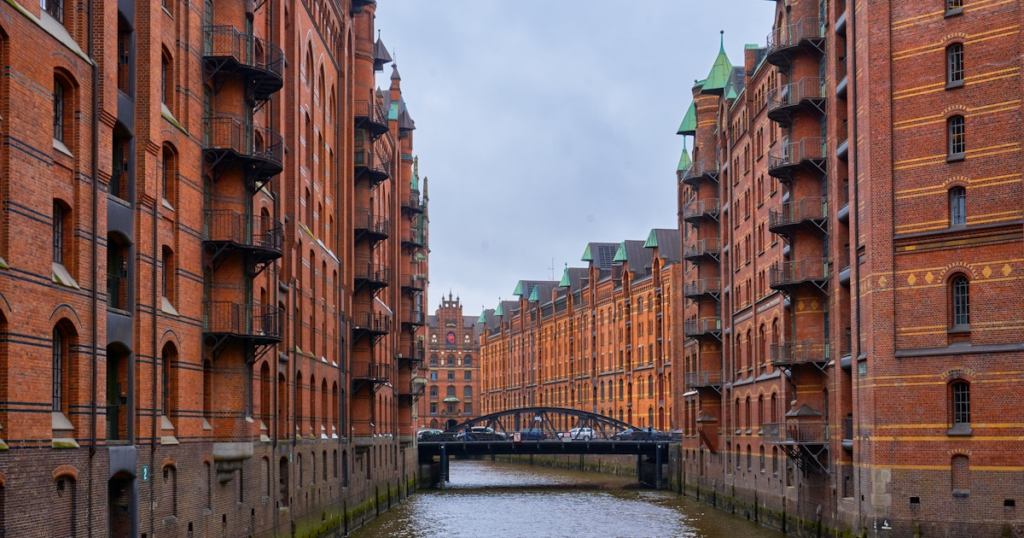
The Speicherstadt is the largest unified warehouse district on Earth, built between 1883 and 1927. Designated a UNESCO World Heritage Site, it stands as a romantic wonderland of canals and iron bridges.
- What it is famous for: Its uniform Neo-Gothic red-brick architecture built on thousands of oak piles. Historically used to store high-value goods like coffee, spices, and oriental carpets, it is now best explored via a romantic evening canal cruise when the facades are beautifully illuminated by floodlights.
3. Miniatur Wunderland
The Ultimate Global Model Kingdom
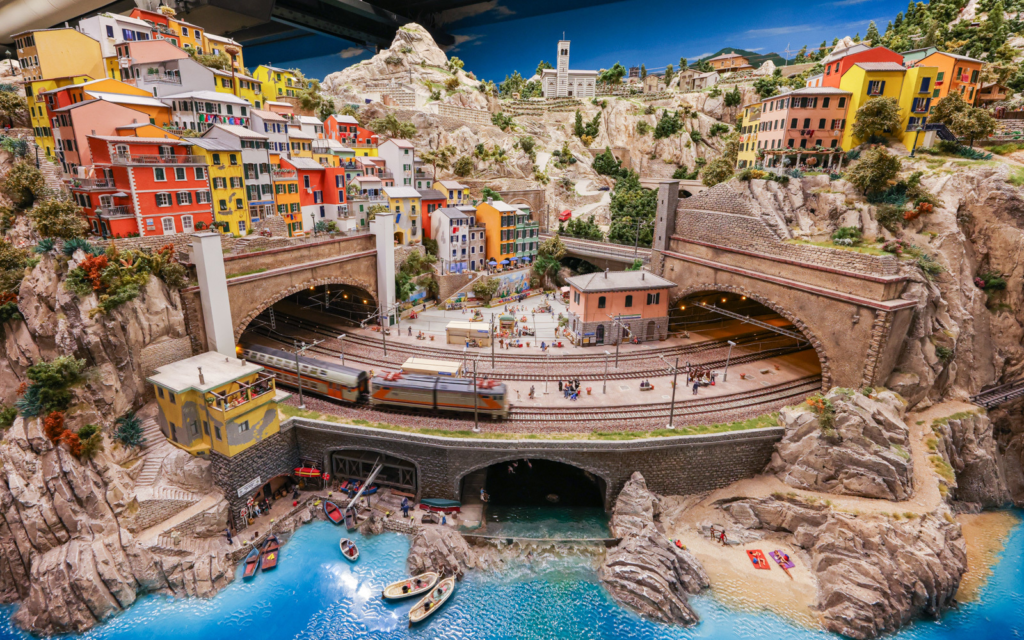
Tucked directly inside the historic brick walls of the Speicherstadt, Miniatur Wunderland is the largest model railway exhibition on earth and consistently ranks as Germany’s top tourist attraction.
- What it is famous for: Over 16,000 meters of miniature train tracks winding through astonishingly detailed, hand-crafted replicas of the Swiss Alps, Las Vegas, Italy, and a fully functional model airport where planes actually take off and land.
4. Hamburg Rathaus (City Hall)
A Monument of Hanseatic Pride
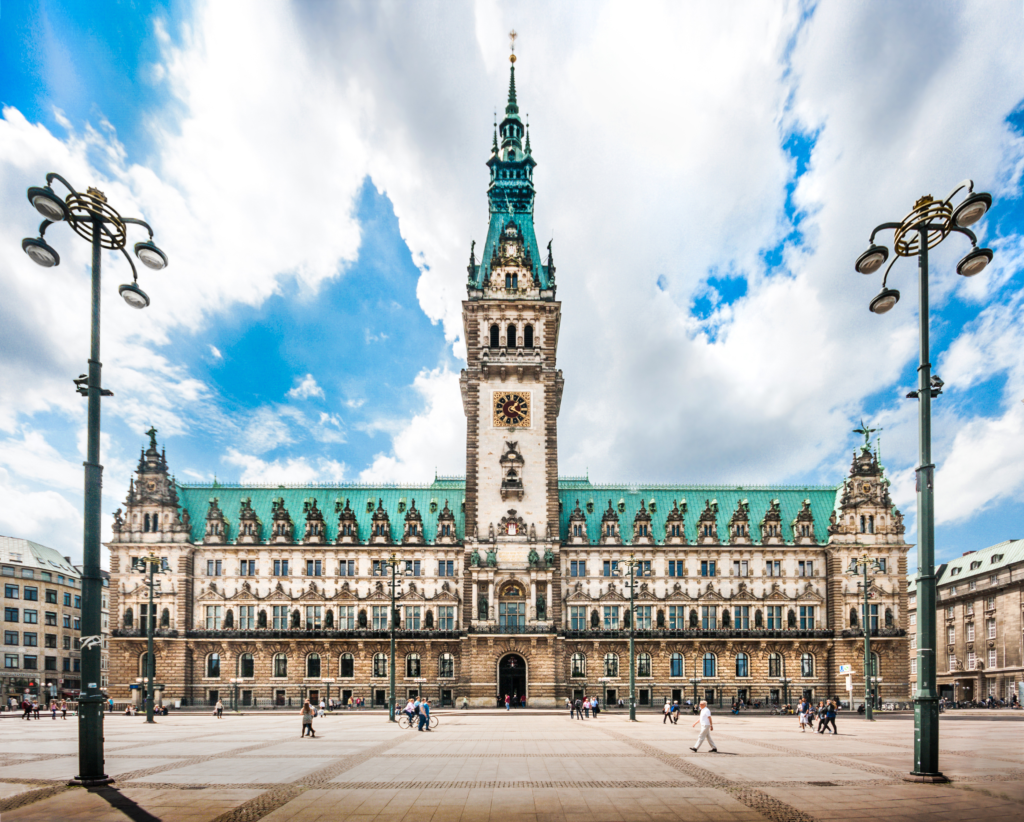
Located right in the center of the Old Town, Hamburg’s seat of government is an incredibly grand palace of democracy that reflects the historical wealth of this independent merchant city.
- What it is famous for: A massive Neo-Renaissance facade featuring 20 statues of German emperors and a soaring 112-meter tower. With 647 rooms—more than Buckingham Palace—the interior is a masterclass in rich wood carving, ornate gold leafing, and vast marble staircases.
5. St. Michael’s Church (Hauptkirche Sankt Michaelis)
The Towering Maritime Beacon
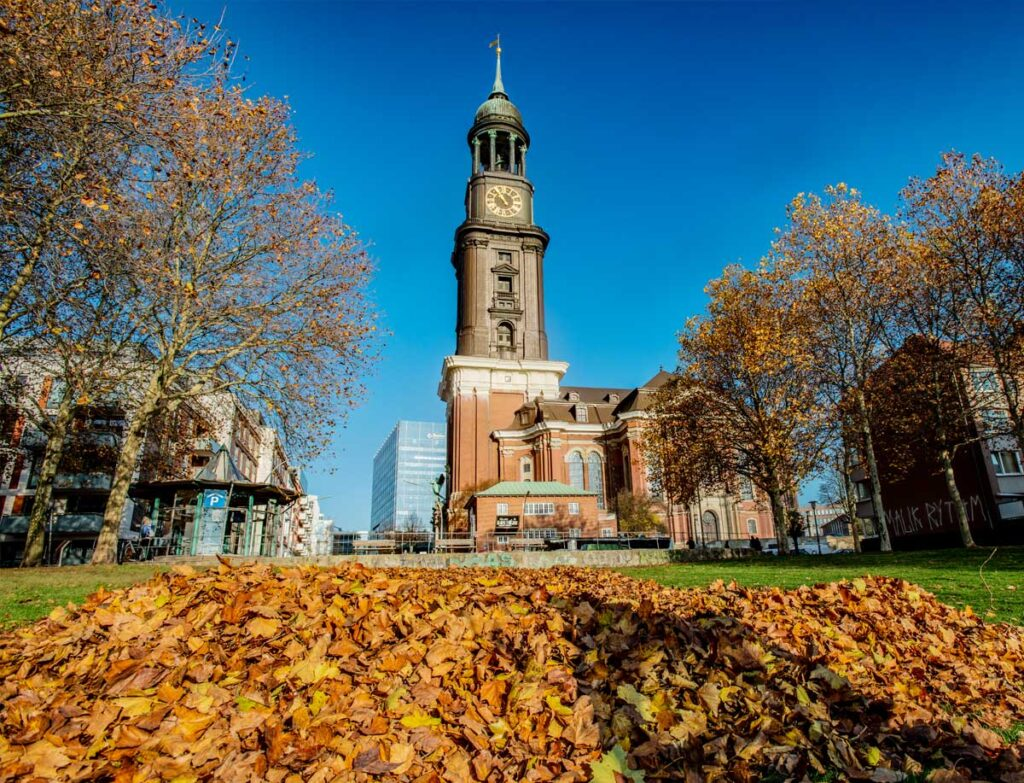
Known locally as “Der Michel,” this grand 18th-century Baroque building is the most famous landmark church in Hamburg, serving for centuries as a vital visual anchor for ships sailing up the Elbe River.
- What it is famous for: Its distinctive bronze-covered spire and Germany’s largest church clock. Travelers can climb or take an elevator up to the 106-meter open observation deck for the absolute best panoramic view of Hamburg’s city center and shipyards.
6. St. Pauli Landungsbrücken
The Floating Gateway to the Sea
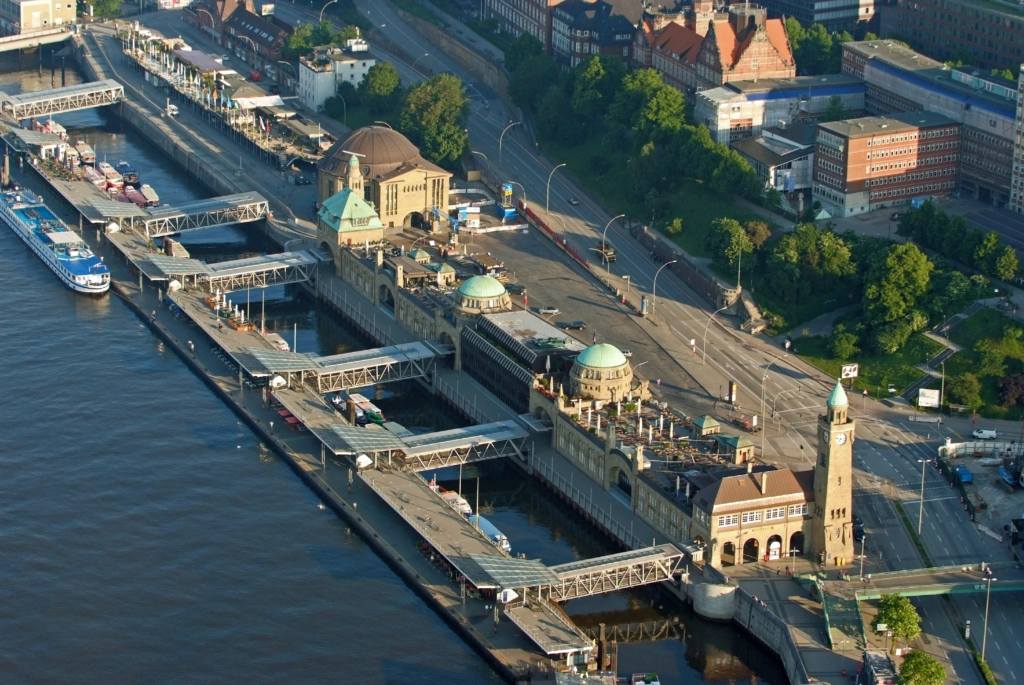
The Landungsbrücken are a series of historic floating pontoon piers extending along the northern bank of the Elbe River, serving as the central hub for Hamburg’s vibrant maritime life.
- What it is famous for: Serving as the launch point for harbor cruises, island ferries, and massive museum ships. Framed by green-domed terminal buildings, this lively promenade is filled with the smell of fresh fish rolls (Fischbrötchen) and the constant, booming horns of passing container ships.
7. The Reeperbahn & St. Pauli
The Legendary Mile of Sin and Music
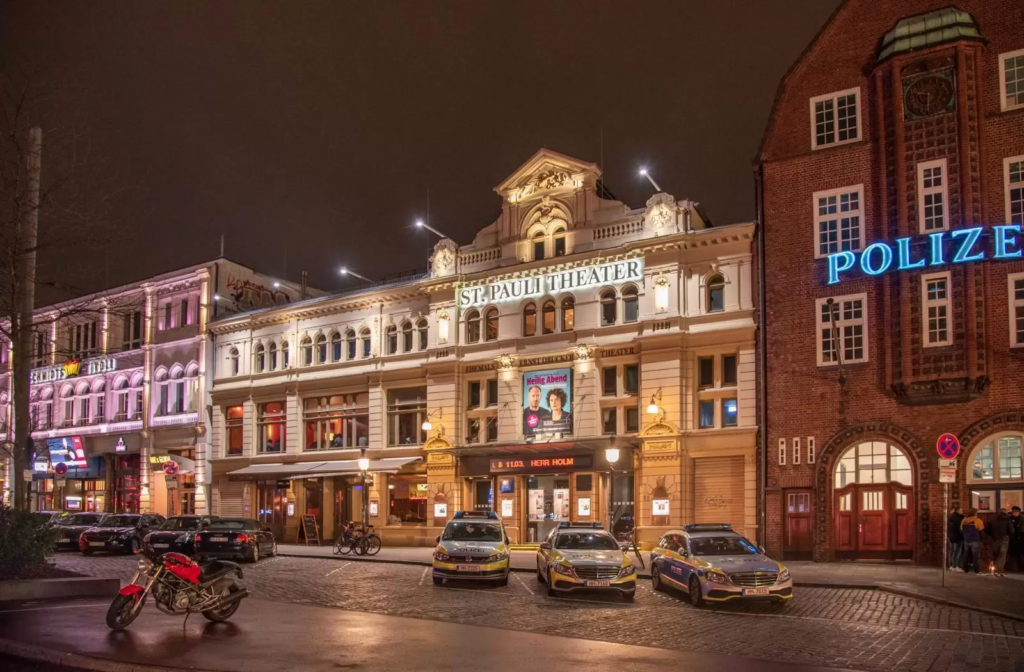
Located in the gritty St. Pauli district, the Reeperbahn is Hamburg’s infamous red-light district and the central artery of its legendary, neon-soaked nightlife.
- What it is famous for: A wild mix of music clubs, theaters, burlesque bars, and underground pubs. Historically, this is where The Beatles cut their teeth in the early 1960s, playing grueling all-night sets at local venues like the Indra and Kaiserkeller before finding global fame.
8. Alster Lakes (Binnenalster & Außenalster)
The Blue Heart of the City Center
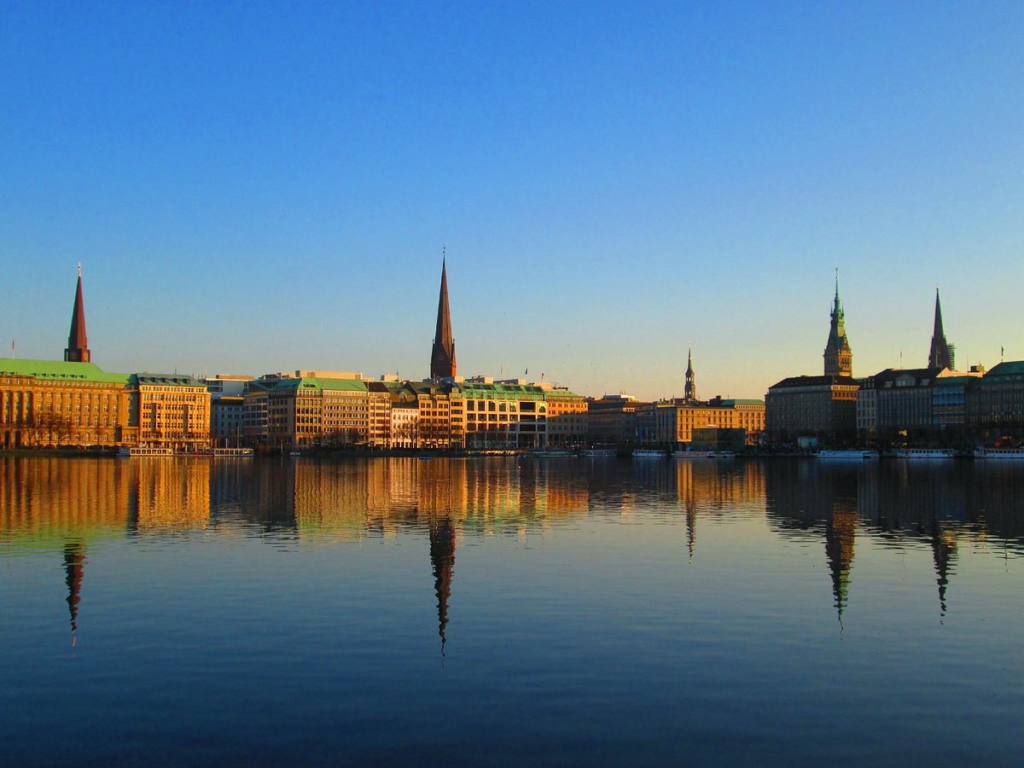
Formed by a dammed tributary of the Elbe, the Alster is split into two distinct artificial lakes: the compact Binnenalster (Inner Alster) in the historic center and the massive, sprawling Außenalster (Outer Alster).
- What it is famous for: A paradise for sailing, kayaking, and waterside jogging. The shores are lined with manicured parks, elegant white villas, luxury boutiques, and open-air cafes where locals gather to watch sailboats drift past the giant central fountain.
9. Alter Elbtunnel (Old Elbe Tunnel)
An Underground Engineering Triumph
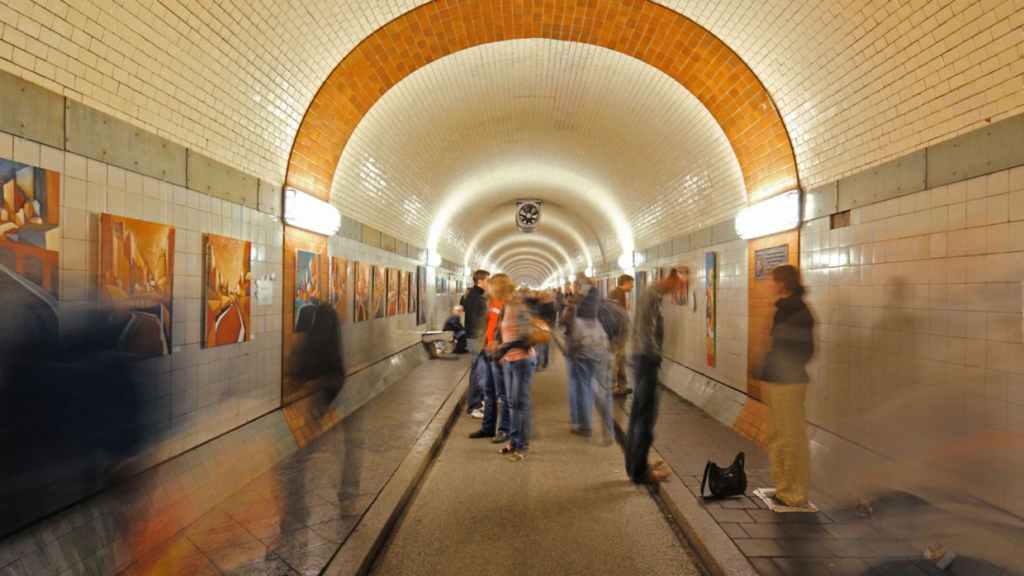
Opened in 1911, this historic subterranean tunnel runs 24 meters below the riverbed, connecting the Landungsbrücken piers straight to the industrial shipyards of Steinwerder.
- What it is famous for: Its historic car elevators and beautiful Art Deco tiled walls. Pedestrians and cyclists can walk through the 426-meter tubes completely free of charge to experience a unique piece of industrial history and capture a fantastic postcard view of the city skyline from the southern bank.
10. Planten un Blomen
A Lush Oasis of Botanical Wonders
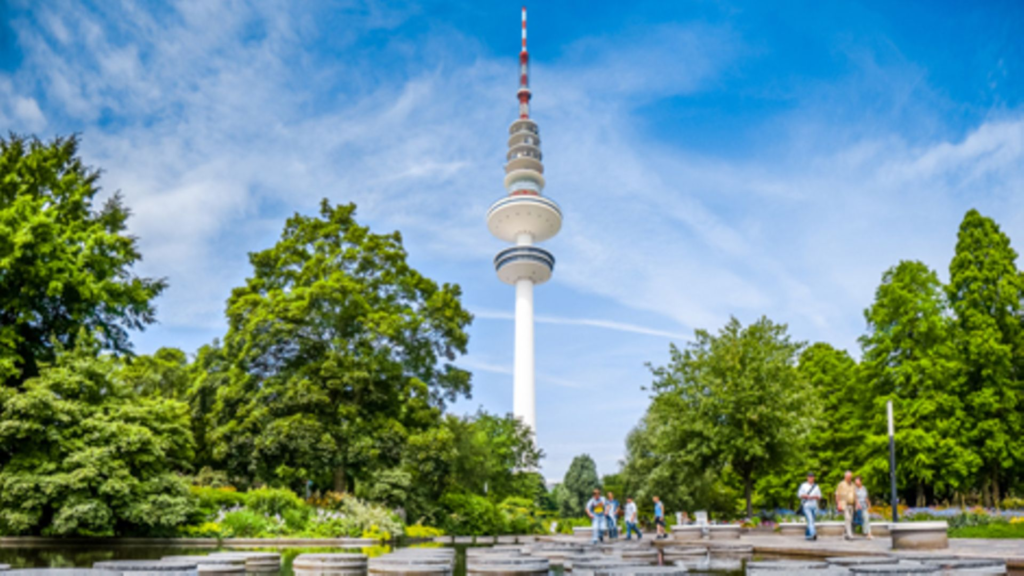
True to its Low German name meaning “Plants and Flowers,” this sprawling 116-acre public park sits comfortably on the site of Hamburg’s old medieval city walls.
- What it is famous for: Housing one of the largest Japanese gardens in Europe, complete with a traditional teahouse, cascading waterfalls, and immense tropical greenhouses. In the summer, crowds gather on the manicured lawns for the famous nightly colored light-and-music fountain concerts.
11. St. Nikolai Memorial (Mahnmal St. Nikolai)
A Gothic Spire of Remembrance
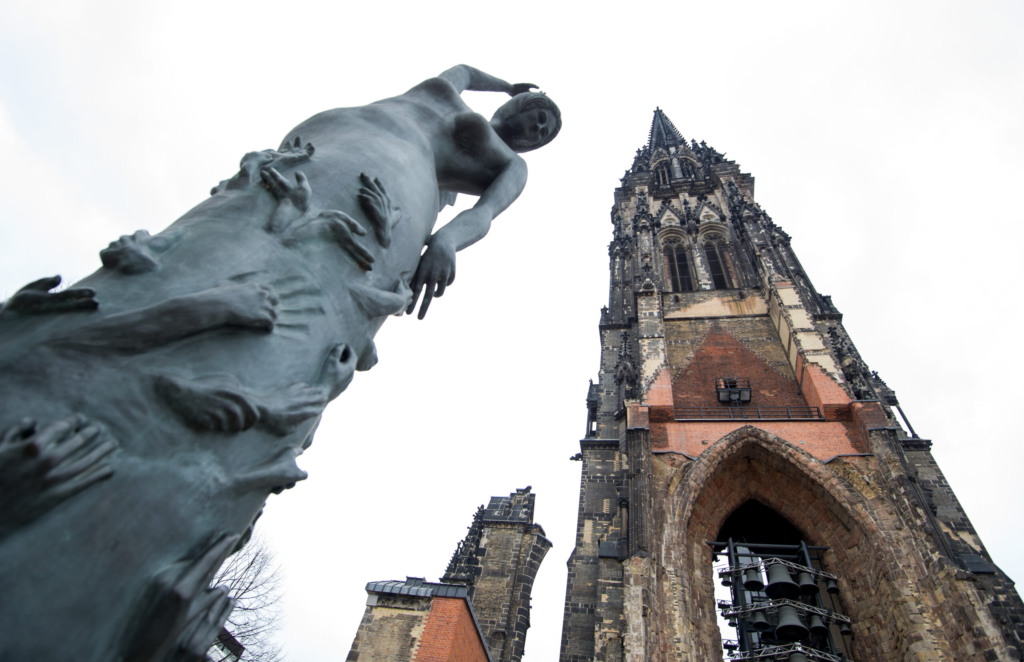
Once the tallest building in the world in the late 19th century, this grand Neo-Gothic church was almost completely destroyed by Allied bombing raids during Operation Gomorrah in 1943.
- What it is famous for: Its surviving soaring black spire and ruined stone walls, left intentionally standing as an intense, elegant anti-war memorial. An elevator takes visitors up into the hollow tower to look down over the historical scars and reconstruction of the modern city layout.