
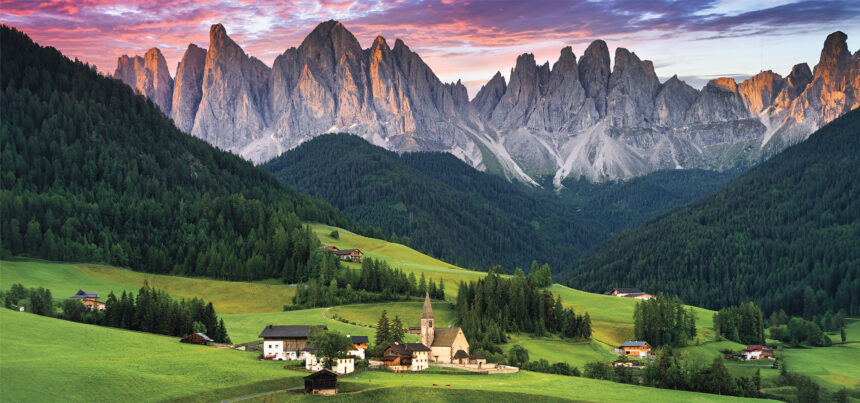
Tucked away in northern Italy across Alto Adige, Trentino, and Veneto, the Dolomites offer a completely different mountain experience compared to the rest of the Alps.
With dramatic peaks, sunny skies, and year-round activities, there’s no single “perfect” time to visit—only the right time for your kind of trip.
Instead of asking when is best, the better question is: what do you want to do here?
Choosing Your Season (Quick Overview)
- Summer: Best for outdoor adventures like hiking and biking
- Autumn: Ideal for peaceful landscapes and golden scenery
- Winter: Perfect for skiing and snow-covered views
- Spring: Quiet, budget-friendly, and great for slow travel
Summer (June to August): Peak Adventure Season
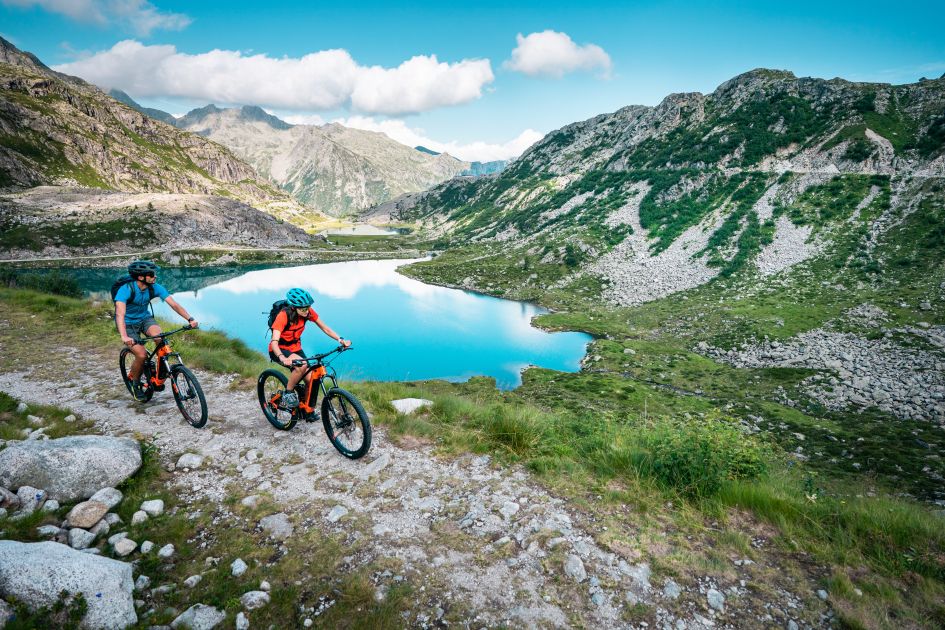
If your dream trip involves fresh mountain air and long scenic hikes, summer delivers exactly that. Unlike the rest of Italy, temperatures here stay pleasantly cool, making it perfect for exploring outdoors.
This is when the Dolomites truly come alive:
- Trails open up for hiking, climbing, and cycling
- Mountain huts (rifugi) operate, enabling multi-day treks
- Wildlife spotting becomes easier in quieter areas
- Landscapes bloom with wildflowers
However, popularity comes at a cost. Expect higher prices and busier trails—especially in August, when much of Europe is on holiday.
Autumn (September to November): Calm & Colorful
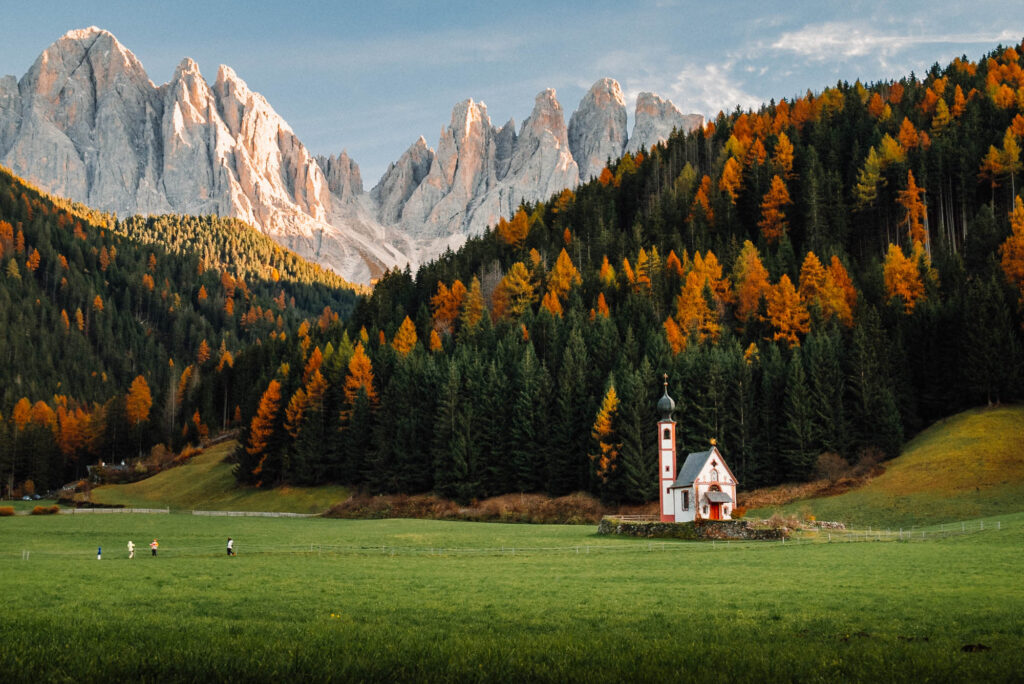
As summer crowds fade, the Dolomites take on a quieter, more intimate charm. The forests turn golden, temperatures cool down, and the atmosphere becomes slower and more relaxed.
Why consider autumn:
- Fewer tourists and better availability
- Stunning fall colors, especially larch trees
- Ideal for scenic walks and cultural exploration
But there are trade-offs. Some mountain huts close, and snowfall begins toward late October or November.
For wine lovers, this is also festival season, making it a great time to combine nature with local flavors.
Winter (December to April): Snow & Ski Paradise
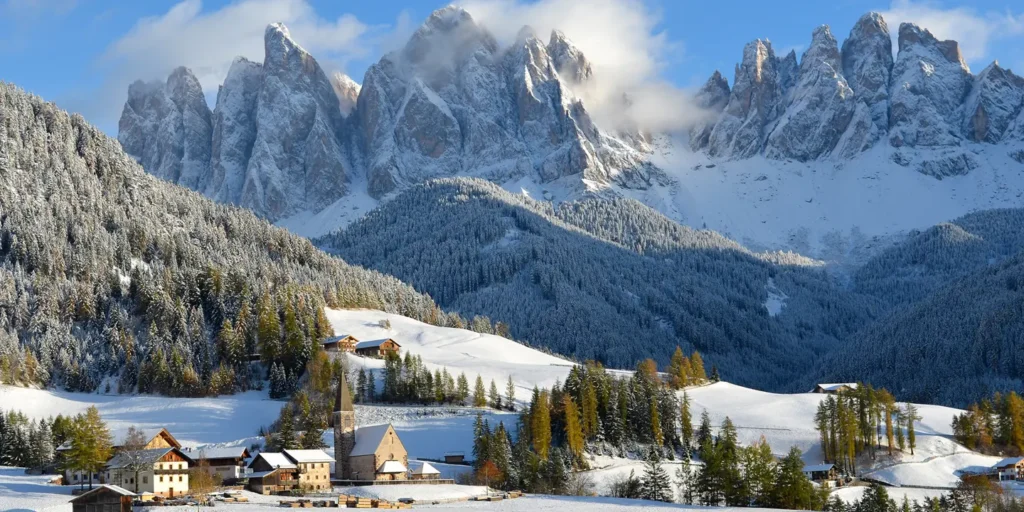
Winter transforms the Dolomites into one of Europe’s top ski destinations. Whether you’re a beginner or an experienced skier, the region offers something for everyone.
What makes winter special:
- Reliable snow conditions across several months
- Bright, sunny days despite cold temperatures
- Activities beyond skiing—like snowshoeing and hut-to-hut ski tours
Temperatures can drop well below freezing, but the dry air and sunshine make it surprisingly manageable with proper clothing.
Festive markets in December add a magical touch to the experience.
Spring (April to May): Underrated & Peaceful
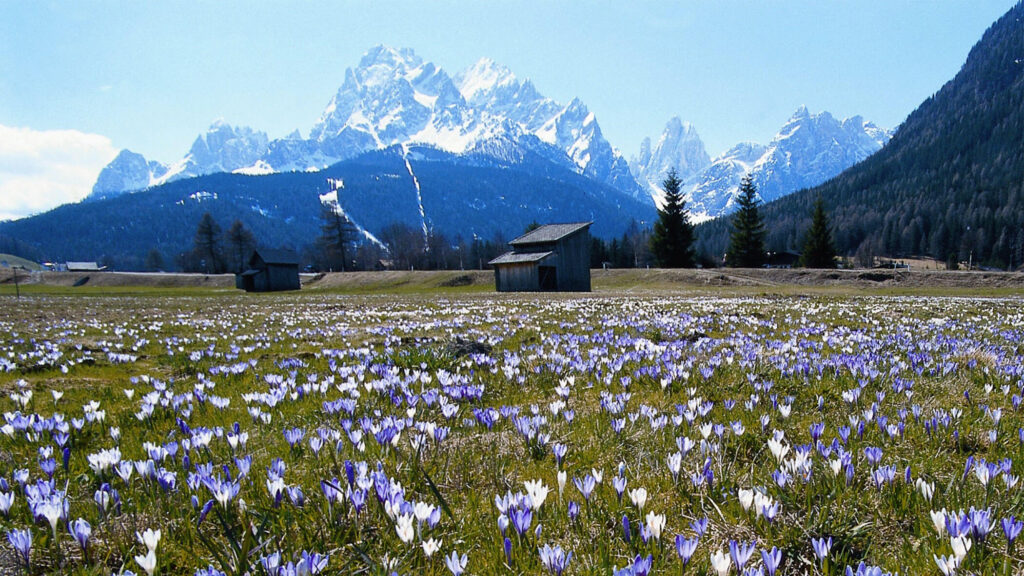
Spring is often overlooked—but it can be a hidden gem if you prefer fewer crowds and lower prices.
What to expect:
- Snow gradually melting, especially at lower elevations
- Cool weather with occasional rain
- Trails reopening by mid-to-late May
- Meadows starting to bloom with wildflowers
While it’s not ideal for high-altitude adventures early in the season, it’s perfect for relaxed travel, village exploration, and cultural experiences.
Weather & Travel Tips
No matter when you visit, one thing stays constant: conditions change quickly in the mountains.
Keep in mind:
- Higher altitudes are always colder than towns
- Layered clothing is essential year-round
- Sunshine is more frequent here than in many Alpine regions
- Booking early is crucial for peak months (especially August)
Final Thoughts
The Dolomites don’t have an off-season—just different personalities throughout the year.
- Want action and adventure? → Go in summer
- Prefer quiet beauty? → Choose autumn
- Love snow and skiing? → Winter is your time
- Looking for calm and budget travel? → Try spring
In the end, your perfect trip depends entirely on how you want to experience these mountains.