

If you think travel today is only about luxury hotels, fancy cafés, and rushed itineraries, this story might stop you mid-scroll.
Just five kilometres away from Jhajjar town in Haryana, hidden inside a quiet village called Raiya, there exists a place where food is not cooked to impress — it is cooked to heal.
The name of this space is Mitti Aap aur Mai, and once you step inside, it becomes clear that this is not a restaurant, not a resort, and not a picnic spot.
Where the Journey Begins Not at the Gate, but in the Soil
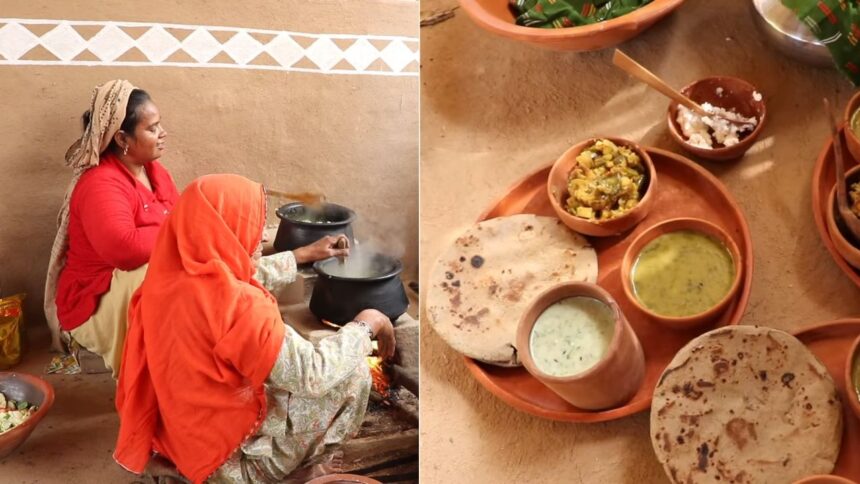
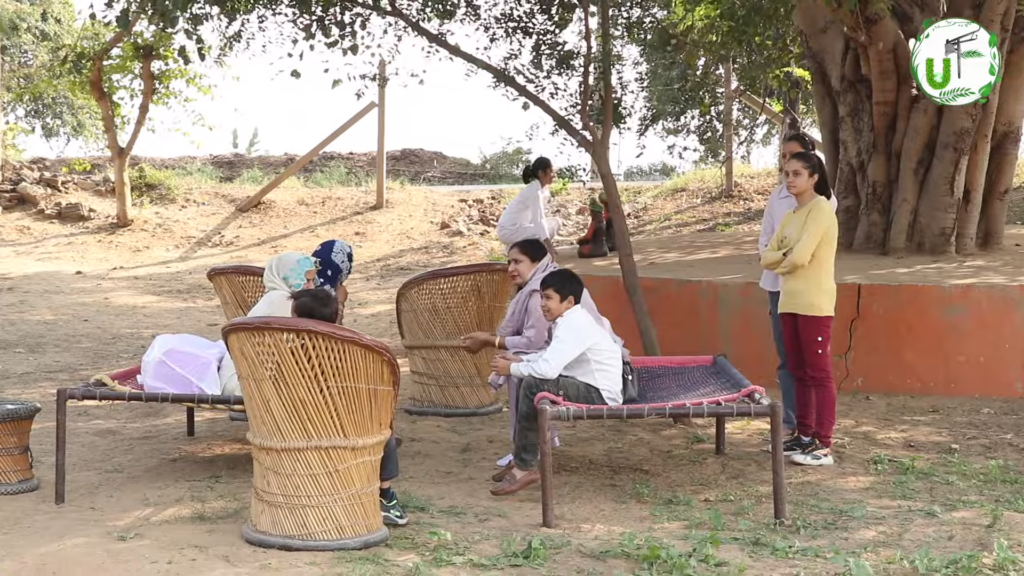
The moment you enter Mitti Aap aur Mai, the pace of life changes. There are no menus on boards, no waiters rushing around, no gas burners hissing in the background. Instead, there is the soft crackle of firewood, the earthy smell of clay, and the sight of food slowly cooking on a traditional chulha.
Here, travel begins where food begins — in the soil.
Vegetables come from nearby farms. Bajra grows in the fields you walk past. Milk comes from cows raised within the community. What reaches your plate has not travelled hundreds of kilometres; it has barely crossed the courtyard.
This is agro-tourism in its most honest form — lived, not staged.
Why People Are Waiting in Line for Food Cooked Slower Than Their Lives
In a world addicted to speed, Mitti Aap aur Mai does something radical: it slows down.
Food here is cooked the way it once was — on a low flame, in earthen pots, with wooden ladles and stone grinders. There are no pressure cookers, no aluminium vessels, and no shortcuts. The result is not just better taste, but food that feels lighter, fuller, and deeply satisfying.
Visitors often say the same thing after their first meal: “This tastes exactly like home.”
Not today’s home — but the one from childhood. The one with grandparents, mud courtyards, and meals that didn’t need a nutrition label to feel right.
More Than a Meal, This Is a Memory in the Making
What makes Mitti Aap aur Mai special is not just what you eat, but what you witness.
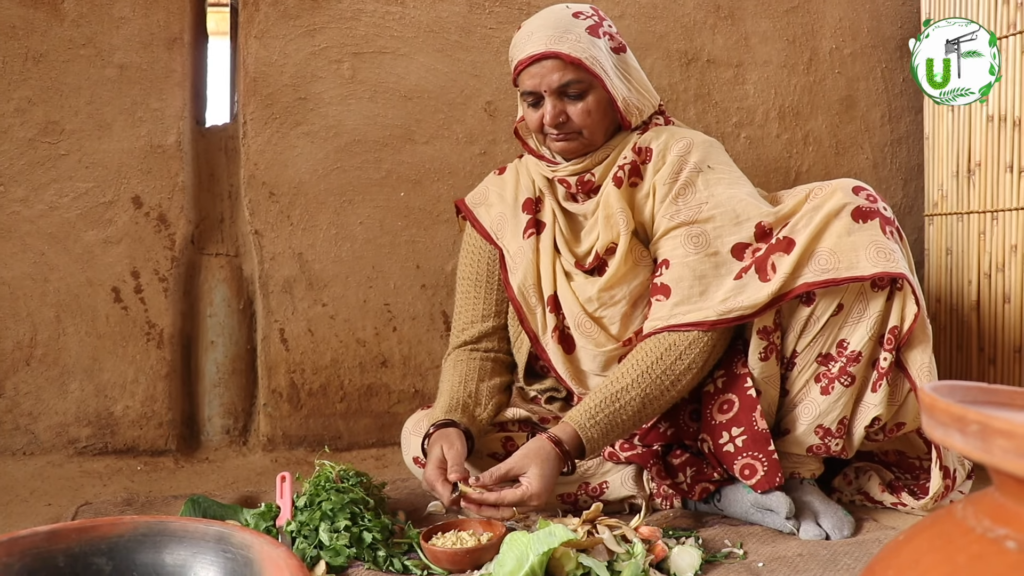
You see vegetables being chopped in front of you. You watch kadhi simmer slowly in a clay pot. You notice chutneys being ground by hand on a sil-batta, their green colour intact, untouched by machines.
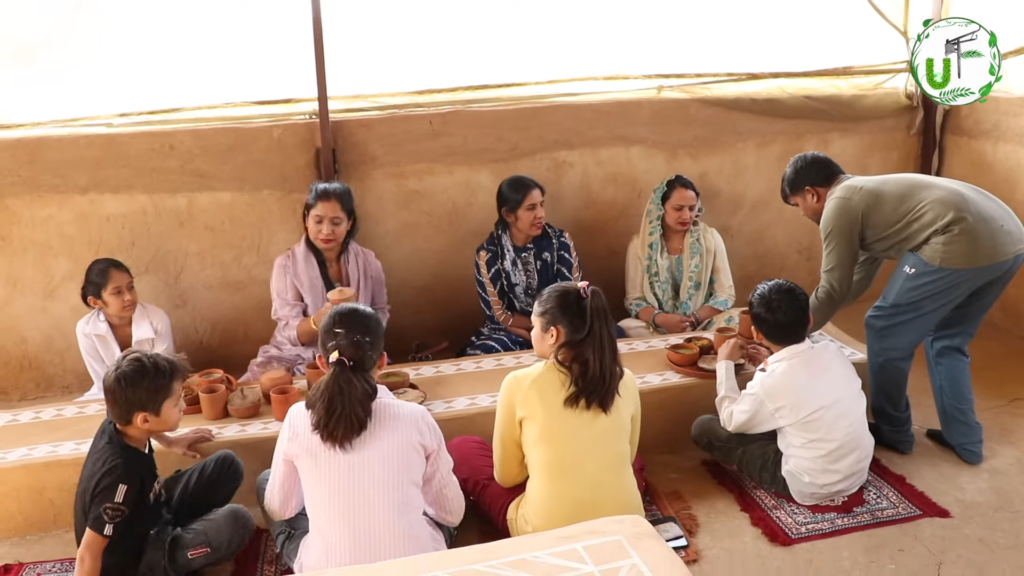
Children sit cross-legged, eating bajra roti with saag, while parents quietly smile — because this is food they thought their kids would never willingly choose again.
In that moment, this place becomes more than a destination. It becomes a bridge between generations.
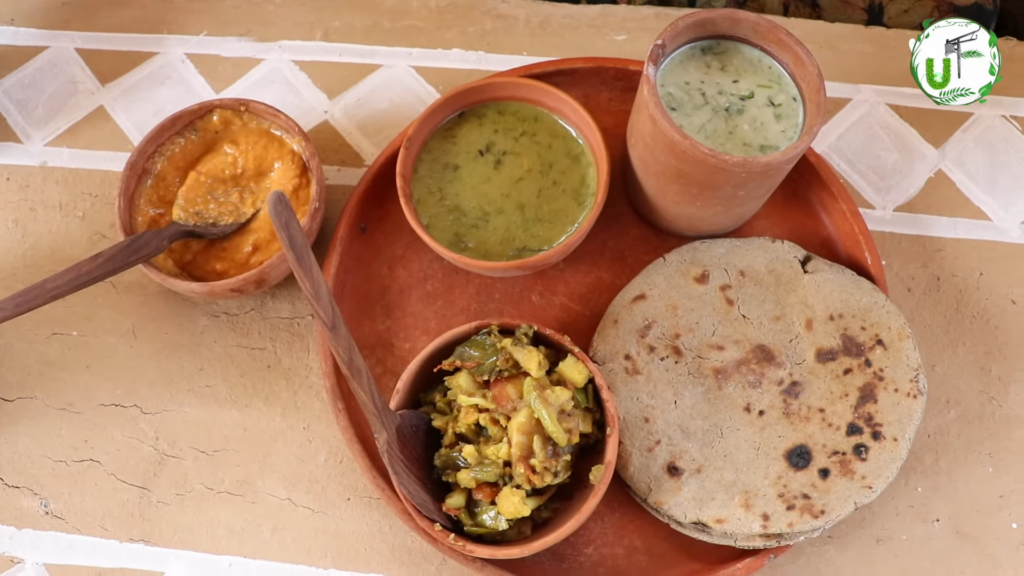
In the fields of Haryana, Mitti Aap aur Mai quietly offers both — without noise, without filters, and without compromise.
And once you experience it, you realise something profound:
Sometimes, the most powerful journeys don’t take you forward.
They take you back — to the soil, to health, and to yourself.