
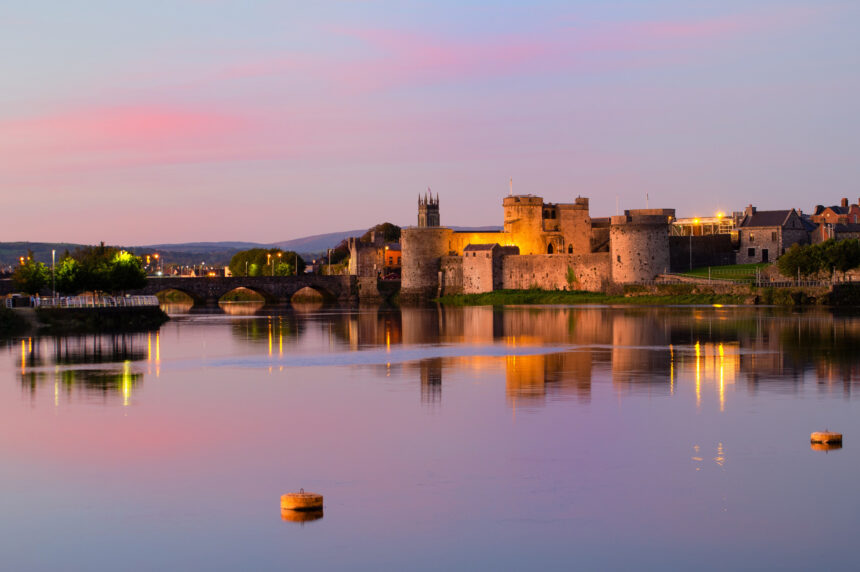
Limerick, anchoring the absolute mid-western maritime frontier of Ireland along the sweeping, rapid filled banks of the River Shannon at the head of its majestic estuary, operates on a spectacular three tiered landscape layout.
Historically originating as a fiercely defended 9th century Viking island stronghold natively named Luimneach, this strategic river gateway evolved through successive Anglo-Norman sieges into a colossal walled medieval capital.
Because the metropolis expanded thoughtfully, segregating its ancient fortress core on King’s Island from the grid aligned, monumental 18th century Georgian quarters, it earned its permanent cultural status as the “Treaty City” and the undisputed sporting, artistic, and industrial engine of mid-western Ireland.
Today, Limerick presents a striking architectural matrix where 13th century stone bastion castles and soaring Gothic cathedral spires stand beside clean lined, geometric riverside boardwalks and converted brick tobacco warehouses.
The city effortlessly pairs its deep, battle-tested seafaring pedigree with a progressive passion for contemporary art, world-class aviation technology, and an unmatched, thunderous devotion to rugby culture.
1. King John’s Castle
The Spectacular Architectural Sovereign of Anglo-Norman Drum Towers and Multi-Sensory Siege Vaults
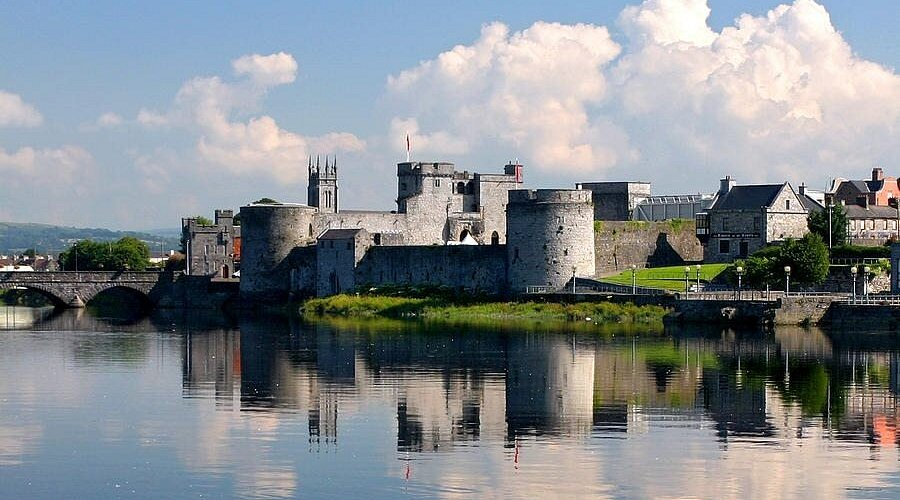
Dominating the absolute physical and visual crest of King’s Island overlooking the rushing river currents, this monumental fortress stands proud as the absolute historical icon of the mid-west.
- What it is famous for: Being one of the most exceptionally preserved Norman castles in Europe, built by order of King John around 1200 to anchor English royal power over the Shannon. The fortress features massive rounded twin towers, a dramatic curtain wall, and an excavated undercroft containing the remains of pre-Norman Viking settlements. Inside the courtyard, a state-of-the-art interactive museum utilizes advanced 3D projections and lifelike sensory animations to plunge visitors into the brutal reality of the historic 17th-century sieges of Limerick.
2. The Milk Market
The Spectacular Architectural Sovereign of Soaring Canopy Pavilions and Artisanal Gastronomy Vaults
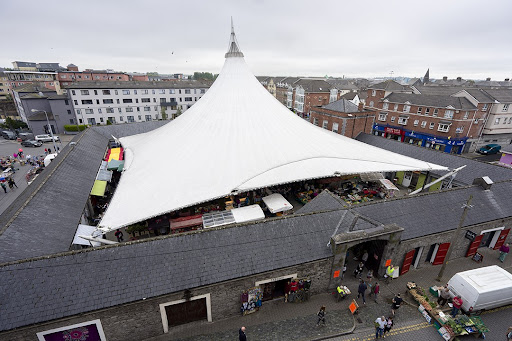
Commanding a prominent public footprint on Mungret Street within the historic old town border, this bustling covered bazaar stands proud as the culinary soul of the city.
- What it is famous for: Being one of Ireland’s oldest continuously operating food markets, covered by a monumental, award winning fabric canopy structure completed in 2010. Every weekend, the flagstone courtyard transforms into a high-energy gastronomic paradise, housing independent family owned stalls that showcase regional charcuterie, organic organic honey, fresh Atlantic catches, and handmade breads. It operates as a vital community hub where locals and travelers gather to drink specialty coffee while listening to live acoustic folk sessions.
3. St. Mary’s Cathedral
The Breathtaking Romanesque Sovereign of Twelfth Century Oak Stalls and Historic Cannon Ball Scars
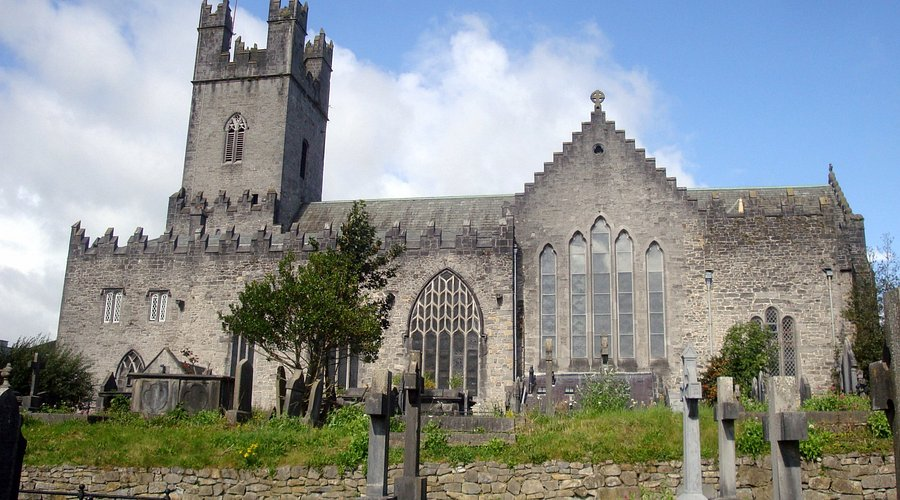
Nestled gracefully on the ancient crossroads of King’s Island near the castle gates, this magnificent limestone house of worship stands proud as the oldest continuously operating building in Limerick.
- What it is famous for: Being founded in 1168 by the last King of Munster, Domnall Mór Ua Briain, on the structural footprint of his own royal palace and an earlier Viking assembly ground. The cathedral features a soaring 36 meter high bell tower and the only surviving pre-Reformation carved oak misericords (monastery seats) in Ireland, depicting mythical medieval beasts. The rugged limestone exterior walls still display deep operational scars and grooves made by medieval soldiers sharpening their swords and arrows during centuries of city sieges.
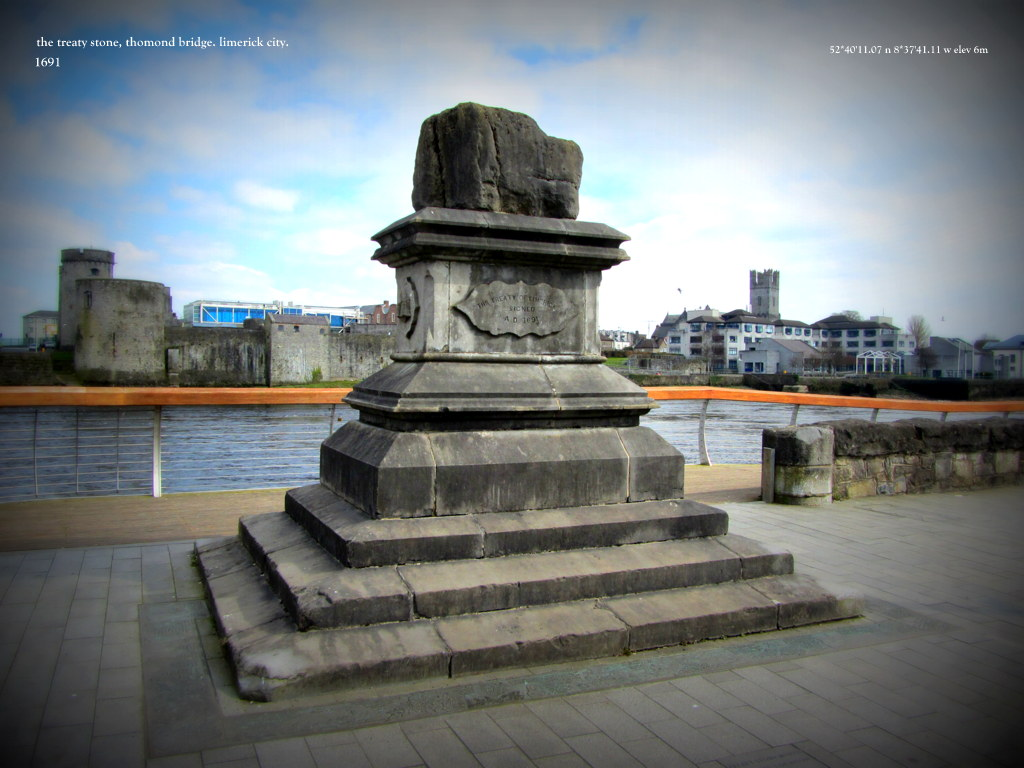
4. The Treaty Stone
The Enigmatic Stone Sentinel of Sovereignty Compacts and Shattered Peace Sagas
Perched elegantly on a carved limestone pedestal along Clancy Strand directly at the western terminus of Thomond Bridge, this rugged boulder is an authentic political monument.
- What it is famous for: Serving as the traditional stone altar upon which the historic Treaty of Limerick was signed in 1691 between Patrick Sarsfield and King William III. The signing of this momentous document brought an end to the Williamite War in Ireland, promising religious freedom to local Catholics a promise that was famously broken by the English parliament shortly after. Today, the monument stands as a powerful symbol of Limerick’s resilience, framed by sweeping views of the river current and the opposite castle towers.
5. Newtown Pery (The Georgian Quarter)
The Picturesque Walking Runway of Red Brick Terraces and Intricate Fanlight Doorways
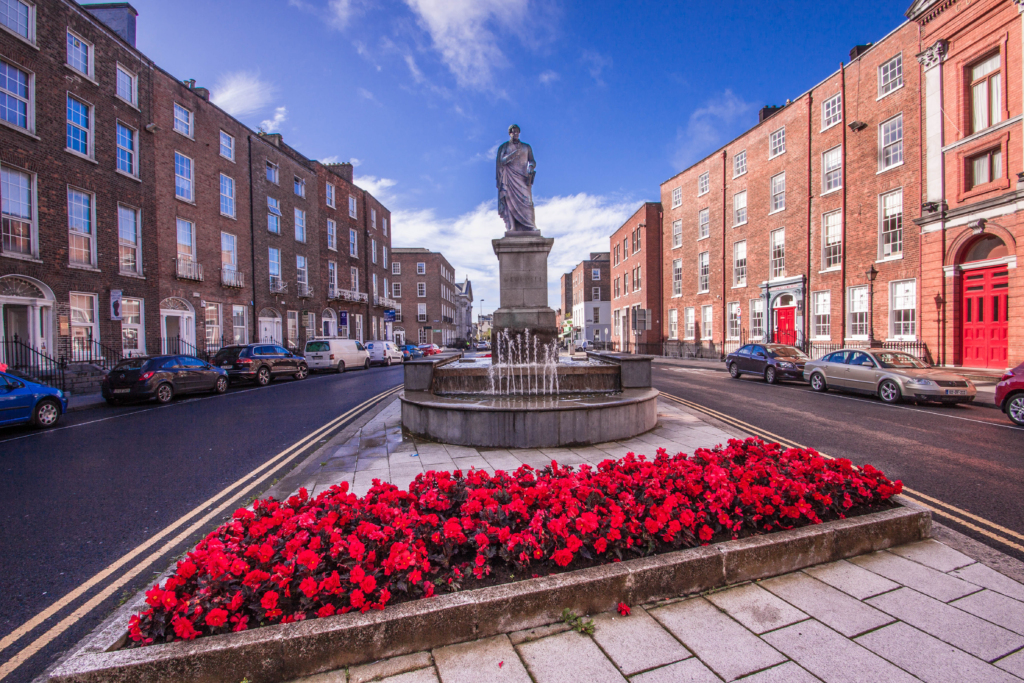
Slicing smoothly through the commercial core of the modern city center, this uniform grid network represents one of the finest examples of 18th century urban planning in Ireland.
- What it is famous for: Its magnificent, wide avenues lined with rows of uniform red brick Georgian townhouses, featuring iconic colorful wooden doors and semi-circular glass fanlights. Engineered originally by Edmond Sexton Pery during the late 1700s, the district serves as a vibrant architectural contrast to the chaotic medieval lanes of King’s Island. Walking down streets like Mallow Street and O’Connell Street takes travelers past elegant interior plasterwork labs, boutique design agencies, and historic merchant offices.
6. The Hunt Museum
The Radiant Cultural Repository of Picasso Bronzes and Prehistoric Celtic Antiquity Vaults
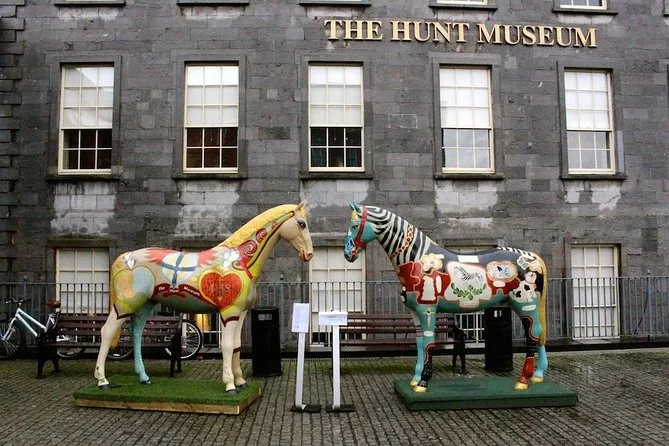
Tucked quietly inside the magnificent, neoclassical Custom House building on Rutland Street along the river banks, this world-class museum holds an extraordinary private treasure.
- What it is famous for: Housing one of the finest private collections of art and antiquities in the world, donated generously to the state by the legendary antiquarians John and Gertrude Hunt. The museum’s pristine galleries hold over two thousand diverse objects, spanning from prehistoric Irish stone axes and bronze age shields to original sculptures by Pablo Picasso and Alberto Giacometti. Visitors can explore the collection through a unique “open drawer” system, allowing them to touch and examine authentic ancient artifacts firsthand.
7. Thomond Park Stadium
The Monumental Sporting Sovereign of Roaring Rugby Terraces and Red Army Battle Sagas
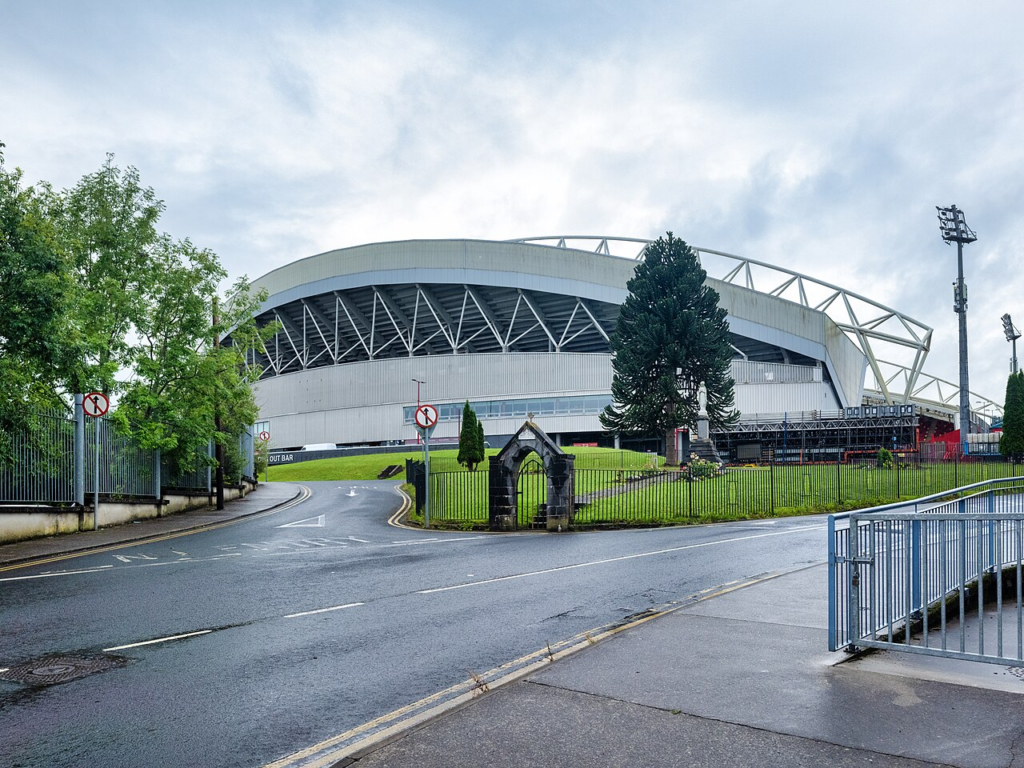
Dominating a massive, high-profile footprint on the northern outskirts of the inner city, this state-of-the-art sports arena is a global shrine to the game of rugby.
- What it is famous for: Being the legendary fortress home of Munster Rugby, internationally celebrated for its fierce, high-energy atmosphere and the passionate “Red Army” fan base. The stadium achieved mythic status in 1978 when Munster famously defeated the world champion New Zealand All Blacks on its turf, a victory immortalized in local theatrical plays and songs. The complex houses a specialized rugby museum and interactive training labs where visitors can explore the city’s deep working-class connection to the sport.
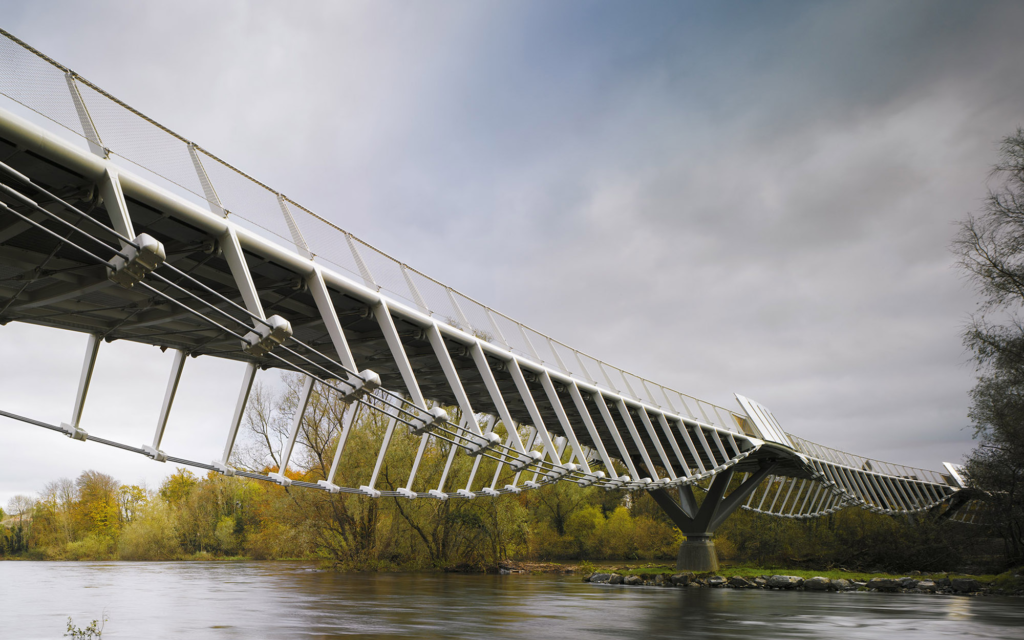
8. University of Limerick & The Living Bridge
The Sprawling Eco Matrix of Ivy Covered Research Halls and Curved Pedestrian Canopy Spans
Sited dynamically across a vast, emerald 340 acre parkland estate straddling both banks of the River Shannon, this progressive campus is an environmental and engineering wonder.
- What it is famous for: Housing The Living Bridge, a spectacular 350 meter long curved pedestrian bridge that ranks as the longest footbridge in Ireland. Designed by acclaimed architects to mimic the natural currents of the river, the bridge features built-in seating platforms where walkers can pause over the water to observe salmon and nesting herons. The surrounding campus is home to the world renowned Irish World Academy of Music and Dance and the specialized UL Activity Centre labs.
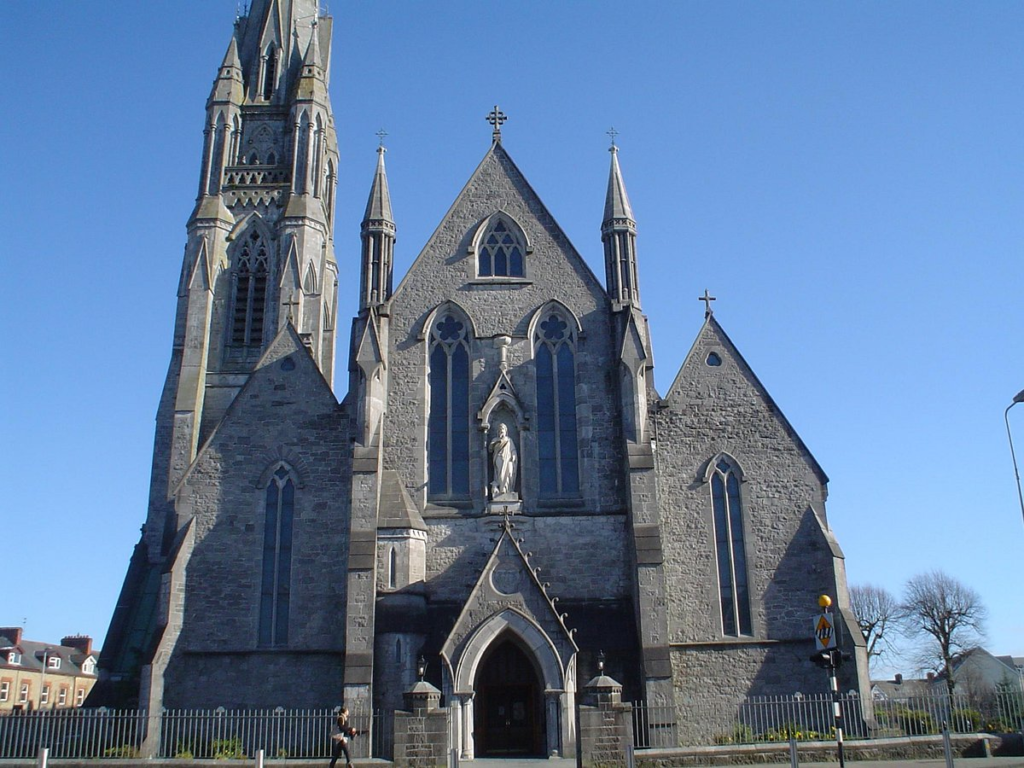
9. St. John’s Cathedral
The Monumental Gothic Revival Sovereign of Soaring Limestone Spires and Polished Altar Tiers
Dominating the southern skyline of the old town grid with its sharp architectural angles, this majestic limestone basilica stands proud as the tallest spire in Ireland.
- What it is famous for: Its extraordinary 91 meter high solid limestone spire, completed in 1882 by visionary architect Thomas Hardwick as a masterpiece of Victorian Gothic Revival design. The church features a dark, highly theatrical limestone exterior that contrasts beautifully with a light-flooded interior nave. Inside, the sanctuary houses an exquisite altarpiece carved from pure white Munich marble and intricately carved bishop thrones that showcase the high craftsmanship of late 19th-century Irish stonemasons.
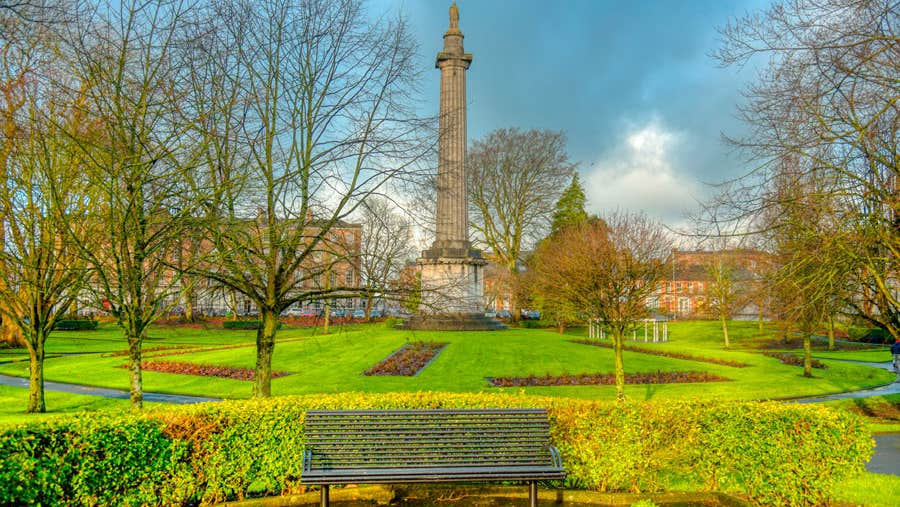
10. The People’s Park
The Picturesque Walking Runway of Victorian Bandstands and Sunken Rose Terraces
Slicing smoothly along the southern edge of the Newtown Pery Georgian quarter, this peaceful nine acre municipal parkland represents the primary green escape of the city center.
- What it is famous for: Being a beautifully preserved Victorian landscape park opened in 1877, created as a tranquil sanctuary for city dwellers to escape the industrial smoke. The park features an ornate, imported iron bandstand, a monumental stone column honoring local politician Thomas Spring Rice, and a historic drinking fountain. It operates as the ultimate summer relaxation lawn, where citizens gather among ancient copper beech trees and manicured rose beds to read books and enjoy family picnics.
11. Lough Gur
The Breathtaking Prehistoric Sovereign of Stone Age Stone Circles and Mythological Lake Horizons
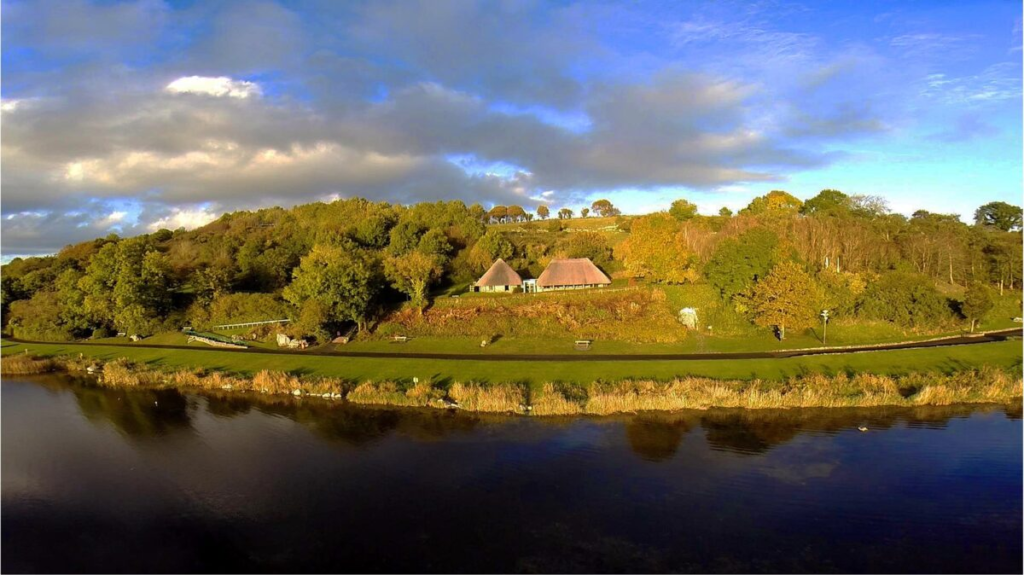
Sited dynamically within the rolling limestone hills of County Limerick just a scenic twenty minute drive south of the city core, this ancient archaeological lake basin is a mystical wonder.
- What it is famous for: Being one of Ireland’s most important archaeological sites, charting continuous human habitation stretching back over six thousand years from the Neolithic era. The shoreline is home to the Grange Stone Circle, the largest and most complete prehistoric stone circle in Ireland, consisting of 113 massive standing stones aligned perfectly with the summer solstice sunrise. A state-of-the-art visitor center tells stories of ancient crannogs (artificial lake islands), bronze age spear treasures, and fairy mythology tied to the lake.