
Roskilde, anchoring the absolute eastern interior frontier of Zealand Island along the sweeping south facing banks of the Roskilde Fjord, operates on a spectacular landscape layout where pagan maritime roots meet imperial Christian architecture.
Historically originating as a legendary 10th century Viking settlement founded natively by King Harald Bluetooth, this sacred stronghold evolved over the middle ages into the first supreme royal capital and religious epicenter of Denmark.
Because the city expanded thoughtfully around its deep water fjord docks and natural freshwater springs rather than modernizing over them, it earned its permanent cultural title as the ancient cradle of Danish monarchy and the undisputed pioneer of modern Scandinavian maritime archaeology and contemporary music culture.
Today, Roskilde presents a striking architectural matrix where 12th century Gothic brick cathedrals and cobblestone market pathways stand alongside clean lined, geometric Nordic university halls.
The city effortlessly pairs its deep historical pedigree with a progressive, youthful passion for social design, traditional boat building crafts, and alternative rock subcultures.
1. Roskilde Cathedral (Roskilde Domkirke)
The Spectacular Architectural Sovereign of Twin Brick Spires and Forty Royal Tombs
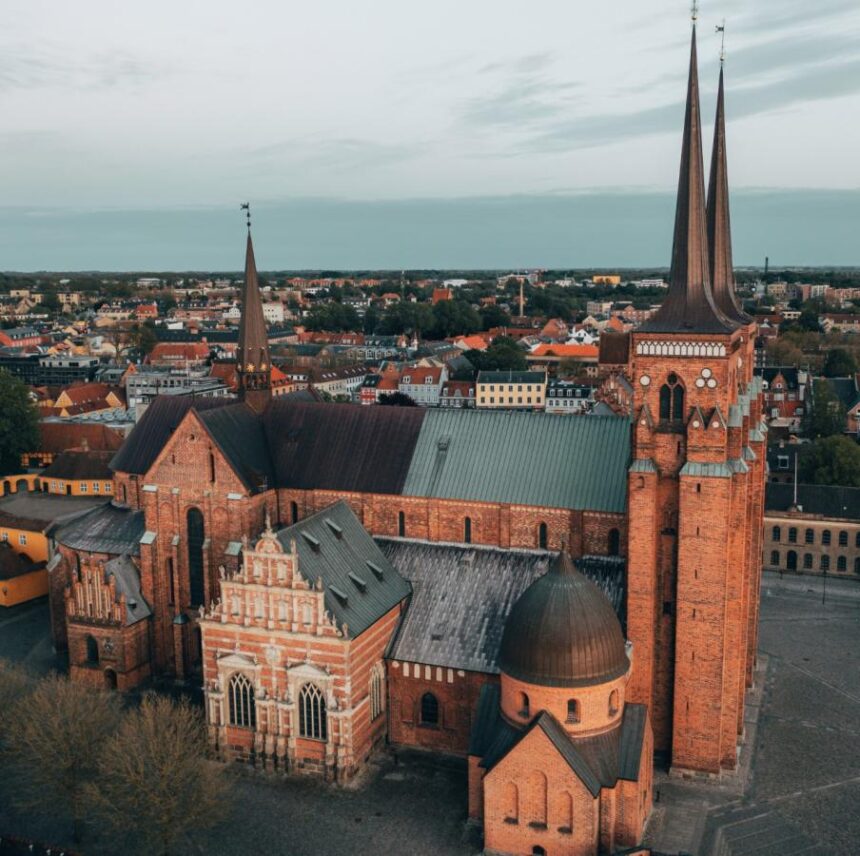
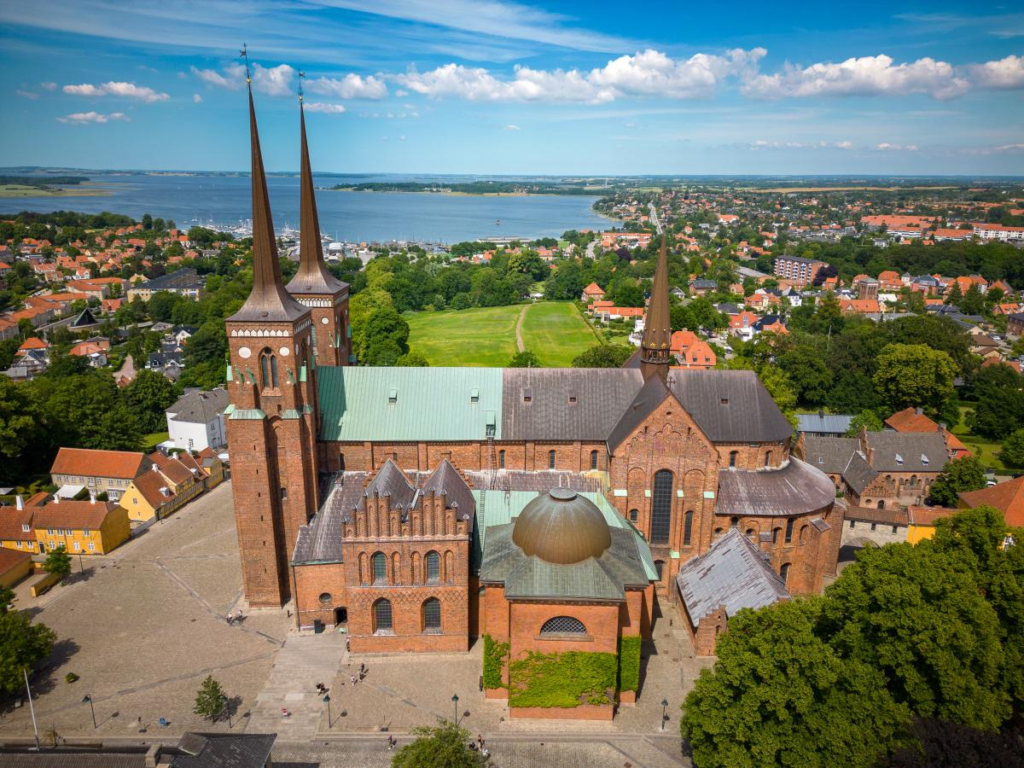
Dominating the absolute physical and visual crest of the central old town ridge, this monumental cathedral stands proud as a UNESCO World Heritage site and the absolute architectural icon of the region.
- What it is famous for: Being the first Gothic cathedral in Scandinavia built entirely from red clay brick, serving as the official mausoleum for forty Danish monarchs. Completed across centuries of architectural refinement, the cavernous church contains a breathtaking collection of ornately carved marble sarcophagi and historic royal chapels reflecting changing imperial styles from the Renaissance to modern times. Visitors gather inside the light filled nave to view the resting places of legendary rulers like Queen Margrethe I and King Christian IV, surrounded by a monumental 1554 mechanical clock featuring animated fighting figures.
2. The Viking Ship Museum (Vikingeskibsmuseet)
The Enchanting Waterfront Oasis of Excavated Longships and Living Maritime Boat Yards
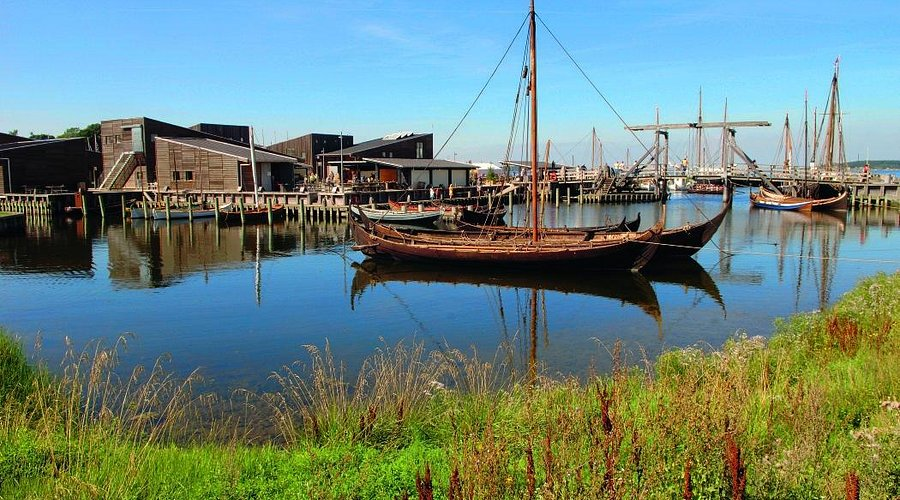
Commanding a pristine footprint directly on the grassy shores where the municipal park lawns meet the saltwater tides of the fjord, this museum is an archaeological masterpiece.
- What it is famous for: Housing the five original 11th century Skuldelev Viking ships, which were deliberately scuttled in the fjord to create a defensive underwater barrier against invading fleets. The main concrete exhibition hall features large glass walls that frame the ancient wooden ship hulls against the open water backdrop. Outside the gallery, the complex features an active harbor yard where modern craftspeople use original Viking tools to build exact working replicas of longships, allowing brave travelers to row out into the open bay during the summer.
3. Roskilde Festival Grounds
The Rowdy Orange Runway of Non Stop Summer Rock Camps and Global Charity Music Lawns
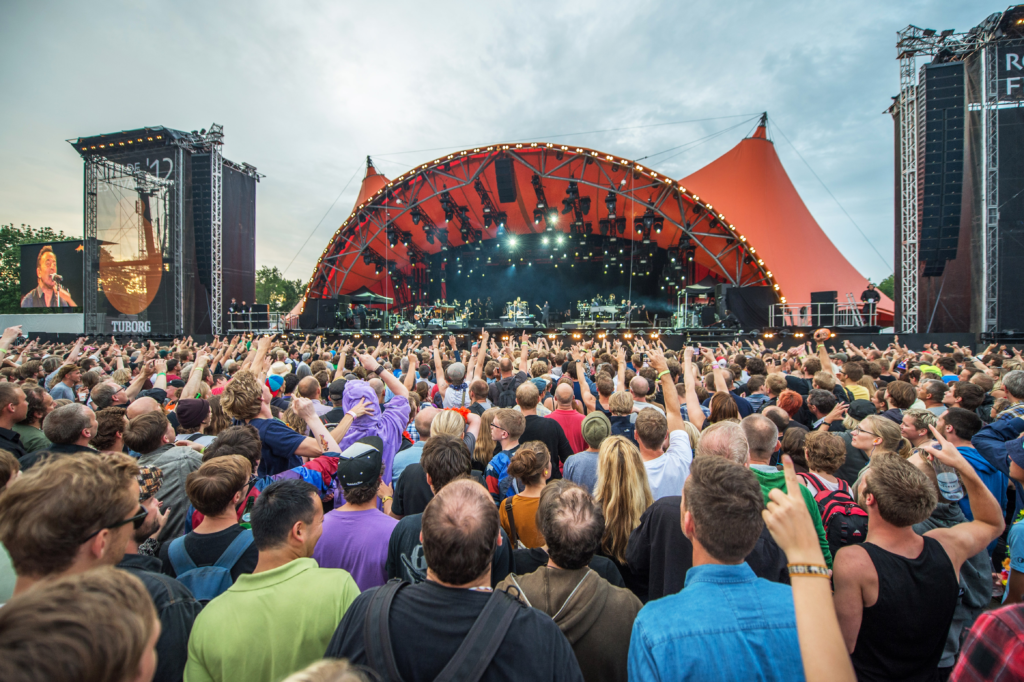
Slicing smoothly through the open agricultural plains just south of the main city ring, this massive municipal pasture transformed into a globally recognized cultural landmark.
- What it is famous for: Hosting the largest music and arts festival in Northern Europe, which gathers over one hundred thousand people every summer for a week of communal living and music. Natively founded in 1971 by two local high school students, the non profit festival donates all its profits to global humanitarian charities. The absolute heart of the grounds is the iconic Canopy Stage, a massive bright orange tent structure originally bought from the Rolling Stones that hosts premier global rock, pop, and electronic artists under the midnight skies.
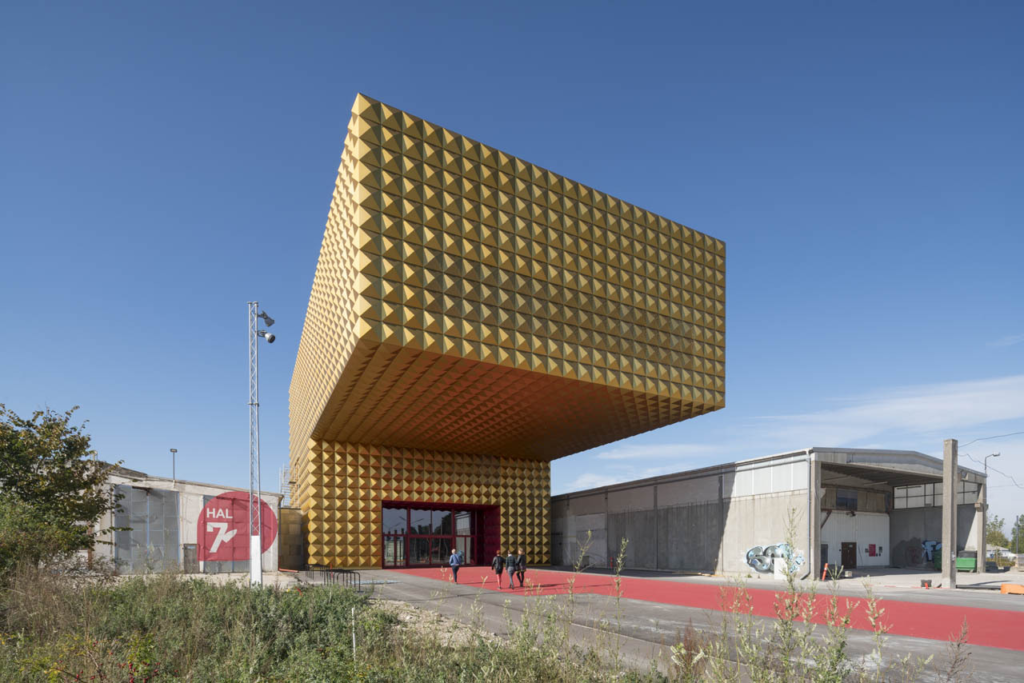
4. Ragnarock Museum
The Colossal Architectural Matrix of Shimmering Gold Stud Facades and Pop Culture Vaults
Sited dynamically within the newly developed Musicon creative quarter—a transformed concrete industrial sector—this museum celebrates youth culture and rock music.
- What it is famous for: Its extraordinary avant-garde building wrapped entirely in a golden facade of pyramid studs, complete with a dramatic red carpet cantilever entryway. The museum functions as a highly interactive sensory archive dedicated to the history of rock, pop, and youth counterculture from the 1950s to today. Visitors can walk through immersive exhibits to mix music tracks, explore vintage rock band tour buses, and study how musical revolutions mirrored the social transformations of modern Scandinavia.
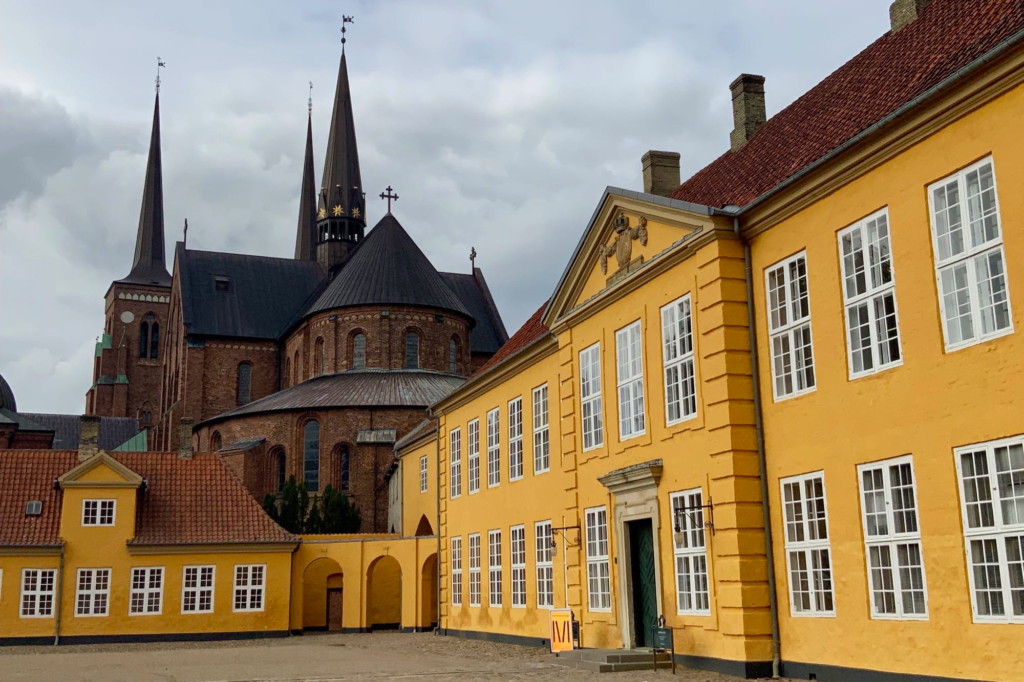
5. Roskilde Palace (Det Gule Palæ)
The Stately Baroque Sovereign of Yellow Courtyards and Contemporary Fine Art Wings
Dominating a prominent public stone courtyard directly adjacent to the western walls of the cathedral, this elegant 18th century mansion holds deep imperial history.
- What it is famous for: Being the premier yellow baroque palace built by King Christian VI to house the Danish royal family during their frequent visits to the historic city. The symmetrical four wing complex features an ornate gatehouse courtyard that serves as a major venue for summer classical music concerts. Today, the historic palace wings house the Museum of Contemporary Art, blending classical royal plaster work and crystal chandeliers with cutting edge digital video installations and experimental sculpture labs.
6. The Palace Garden (Palæhaven)
The Picturesque Walking Runway of Ancient Botanical Lawns and Amphitheater Rose Terraces
Slicing smoothly behind the yellow brick walls of the royal palace estate, this pristine public parkland represents a peaceful sanctuary in the heart of the urban grid.
- What it is famous for: Its beautifully manicured English style lawns and historic gravel avenues that have served as public walking trails since the early 19th century. The garden features a natural hillside amphitheater filled with rare species of old trees, seasonal flower beds, and a grand collection of traditional roses. It operates as the ultimate summer relaxation lawn for city dwellers, who gather on the grass to read books, drink coffee, and view the towering red brick walls of the adjacent cathedral.
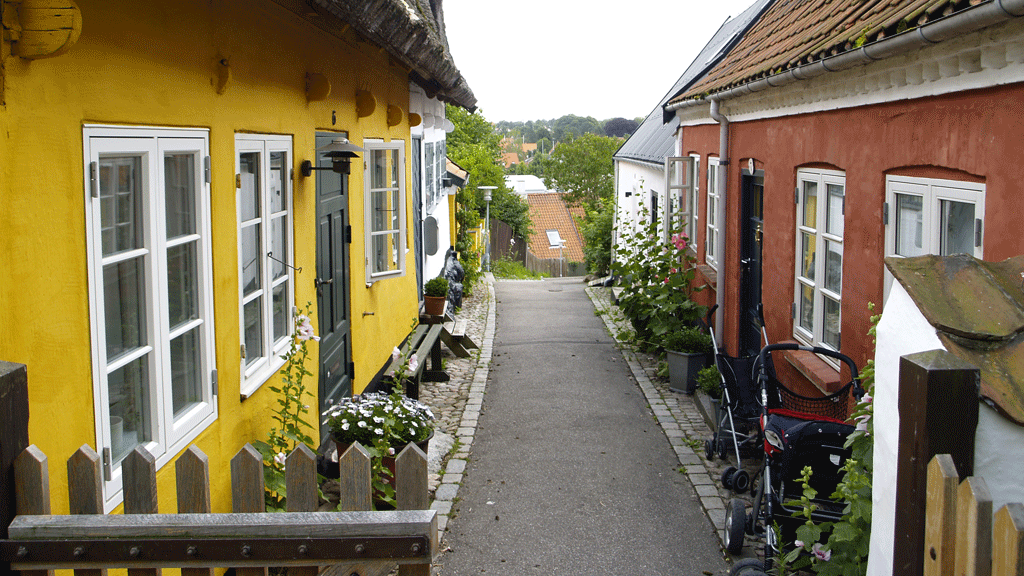
7. Skt Jørgensbjerg Quarter
The Enigmatic Hidden Settlement of Thatched Fishermen Cottages and 11th Century Stone Churches
Occupying a steep, grass-fringed hillside rising directly above the western harbor docks, this quiet neighborhood represents the oldest surviving residential zone in Roskilde.
- What it is famous for: Its enchanting maze of narrow cobblestone lanes lined with low built half-timbered cottages and thatched roofs dating back to medieval times. Once an isolated fishing village outside the old city walls, the quarter surrounds the historic Skt Jørgensbjerg Church, one of the oldest stone houses of worship in Denmark built around 1080. Walking this quiet pedestrian path offers an authentic window into the harsh daily realities faced by the historic fjord sailors, weavers, and tradespeople.
8. Byparken (The City Park)
The Peaceful Botanical Sanctuary of Freshwater Amphitheater Springs and Fjord Lookout Paths
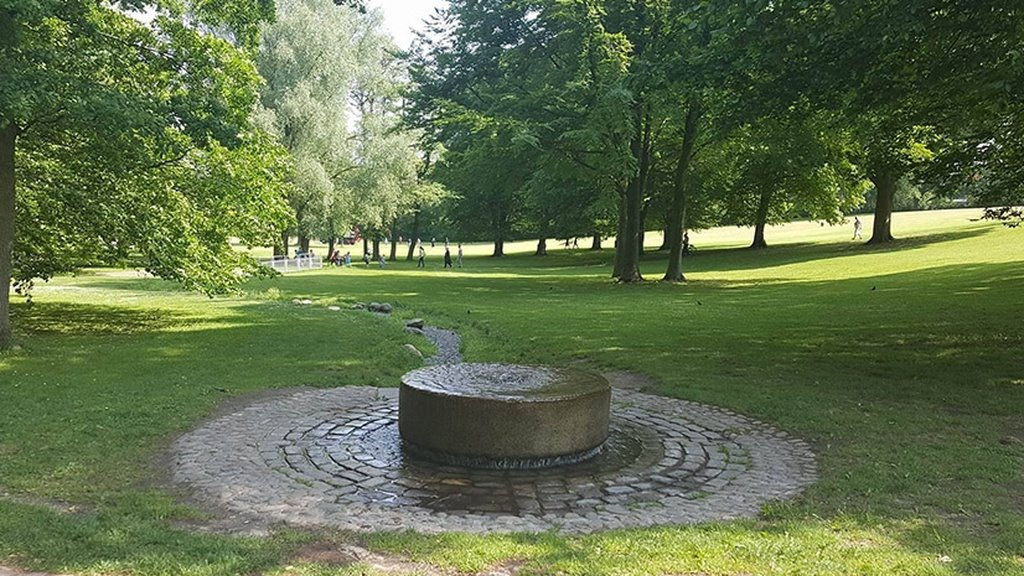
Commanding a striking geographic footprint that rolls down the steep hillsides connecting the cathedral square to the waterfront harbor docks, this linear park is a nature haven.
- What it is famous for: Being a historic landscape park created in 1915, celebrated for its natural freshwater springs and sweeping panoramic views over the blue fjord waters. The park features a large public playground, manicured botanical nurseries, and an open air stage that hosts popular free children theater performances throughout the summer months. It functions as a vital green pedestrian artery, allowing travelers to walk under ancient beech trees as they travel between the historic center and the harbor museums.
9. Roskilde Harbour (Roskilde Havn)
The Savory Cultural Repository of Historic Fish Smokehouses and Wooden Ferry Docks
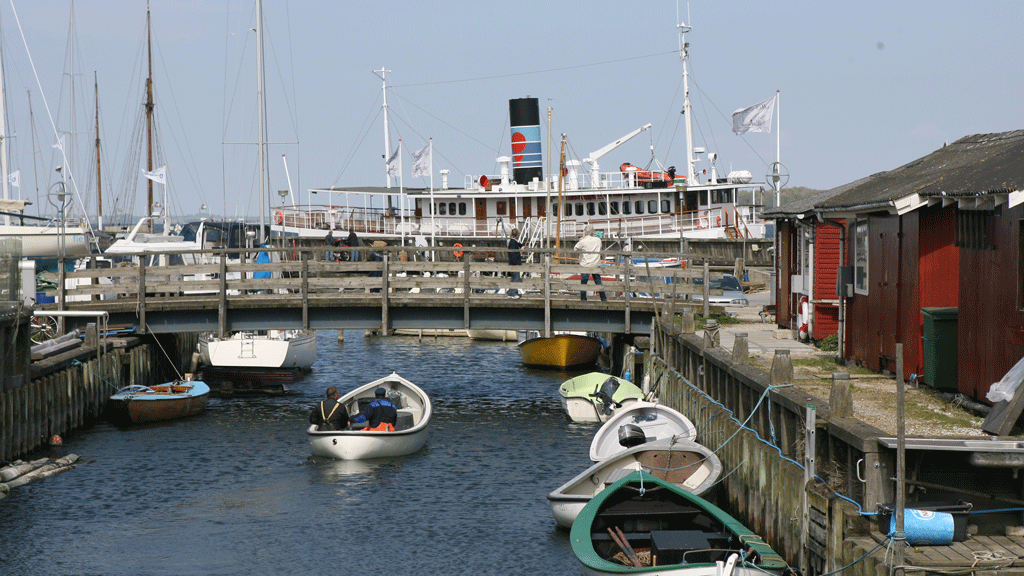
Sited dynamically at the base of the city rolling parklands along the calm waters of the inlet, the historic harbor area serves as the active social hub of the waterfront.
- What it is famous for: Being a vibrant maritime leisure harbor packed with traditional wooden yachts, historic fish eateries, and open air ice cream shops. The harbor boardwalk operates as a spectacular showcase for maritime life, where visitors can watch local fishermen repair their nets alongside modern sailing clubs. The waterfront is home to historic timber framed smokehouses where travelers can sample traditional smoked herring and fresh Baltic cod while watching the sun set over the distant fjord horizons.
10. Sankt Hans Hospital Area and Park
The Sprawling Eco Matrix of Classicist Asylum Pavilions and Fjord Coast Walking Tracks
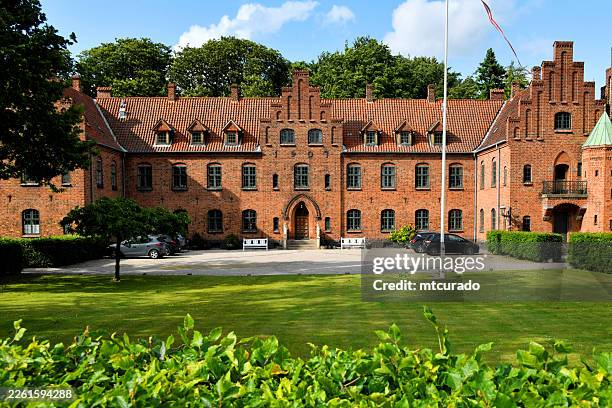
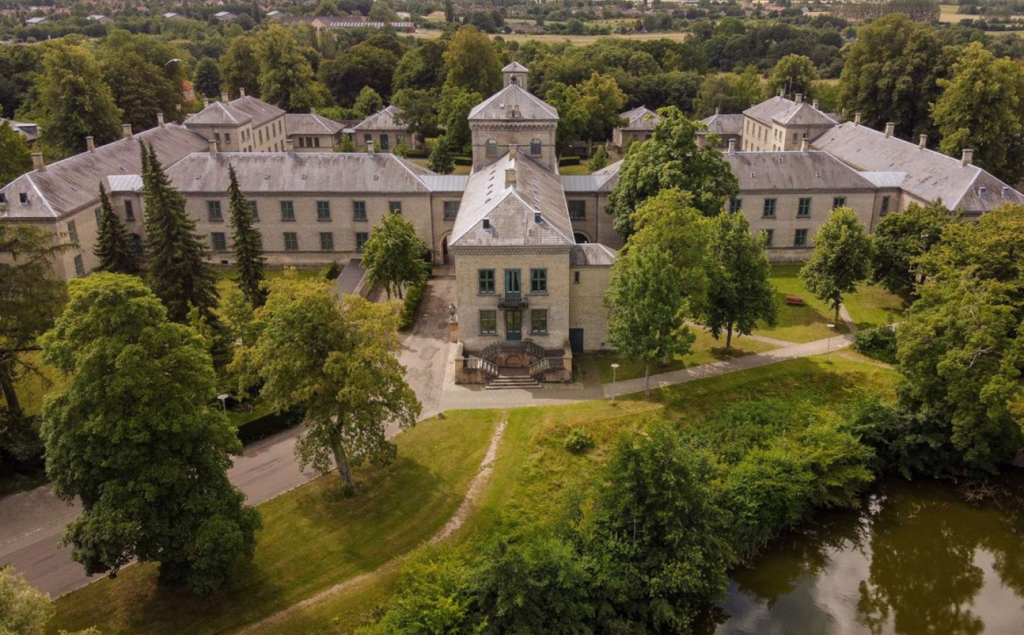
Dominating a massive green coastal headland roughly two kilometers west of the central city core, this historic medical estate is an architectural landmark.
- What it is famous for: Being the historic site of Denmark first modern psychiatric hospital, featuring an extraordinary complex of yellow brick neoclassic pavilions built in the early 19th century. The surrounding park grounds slope gently down to meet the fjord beaches, filled with giant chestnut trees, historic orchard gardens, and open pastures. Today, the complex functions as a unique cultural hiking zone, housing specialized art galleries, cozy local cafes, and panoramic trail loops that draw hikers and birdwatchers year round.
11. Land of Legends (Sagnlandet Lejre)
The Breathtaking Prehistoric Sovereign of Reconstructed Iron Age Settlements and Longhouses
Sited dynamically within the sweeping glacial valleys of Lejre just a short ten minute train ride west of Roskilde, this vast archaeological research center is an environmental wonder.
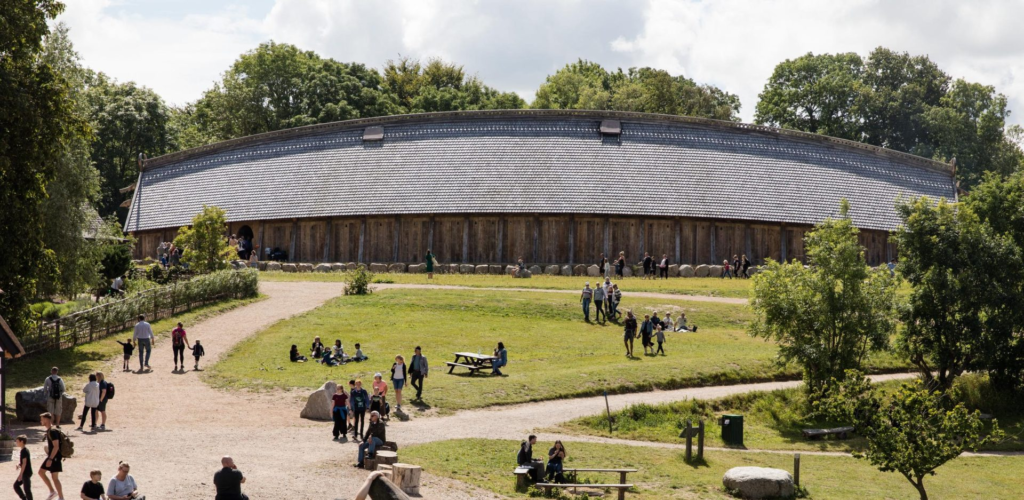
- What it is famous for: Being a massive 105 acre open-air experimental laboratory featuring meticulously reconstructed Stone Age, Bronze Age, and Viking Age settlements. The park absolute centerpiece is the monumental Viking King Hall, the largest reconstructed wooden royal hall in the world built using authentic historic timber techniques. Visitors can watch researchers test ancient survival methods, row hollow log canoes across marshlands, and walk among historic breeds of sheep and wild boars roaming the ancient meadows.