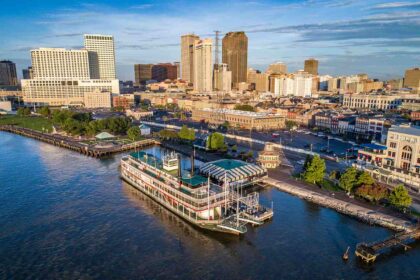

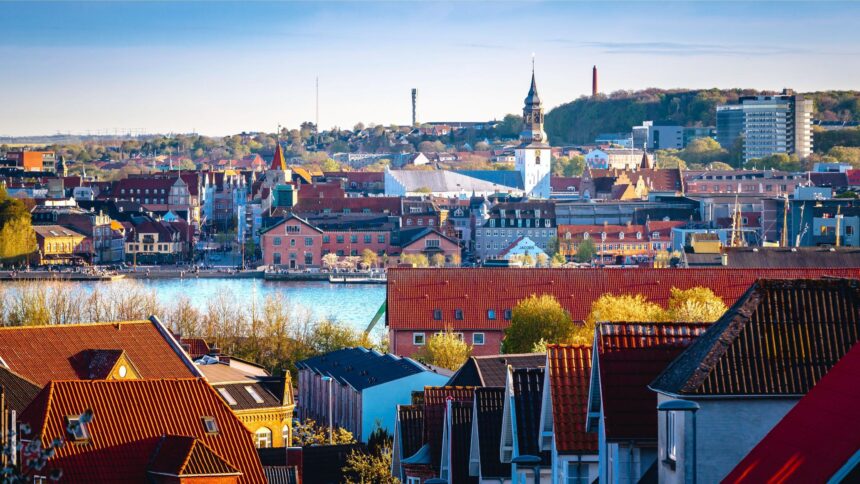
Aalborg, anchoring the absolute narrowest northern point of the Limfjord water channel on the Jutland Peninsula, operates on a spectacular waterfront layout where industrial heritage meets avant garde cultural architecture.
Historically originating as a vital Viking trading hub and harbor post over a thousand years ago, this northern stronghold evolved from a gritty, smoke stacked manufacturing city into the primary economic and creative heart of North Jutland.
Because the metropolis successfully reclaimed its massive industrial shipyard fronts rather than abandoning them, it earned its permanent cultural title as a masterclass in modern waterfront regeneration and the ultimate launching pad for exploring the wild landscapes of the high Danish north.
Today, Aalborg presents a striking architectural matrix where 16th century half timbered merchant mansions and hidden cobblestone courtyards stand alongside shimmering, geometric cultural hubs designed by world famous masters.
The city effortlessly pairs its deep seafaring and industrial pedigree with a fiercely energetic, youthful social scene fueled by a massive university population.
1. Utzon Center
The Spectacular Architectural Sovereign of Shimmering Silver Roof Shells and Nordic Design Vaults
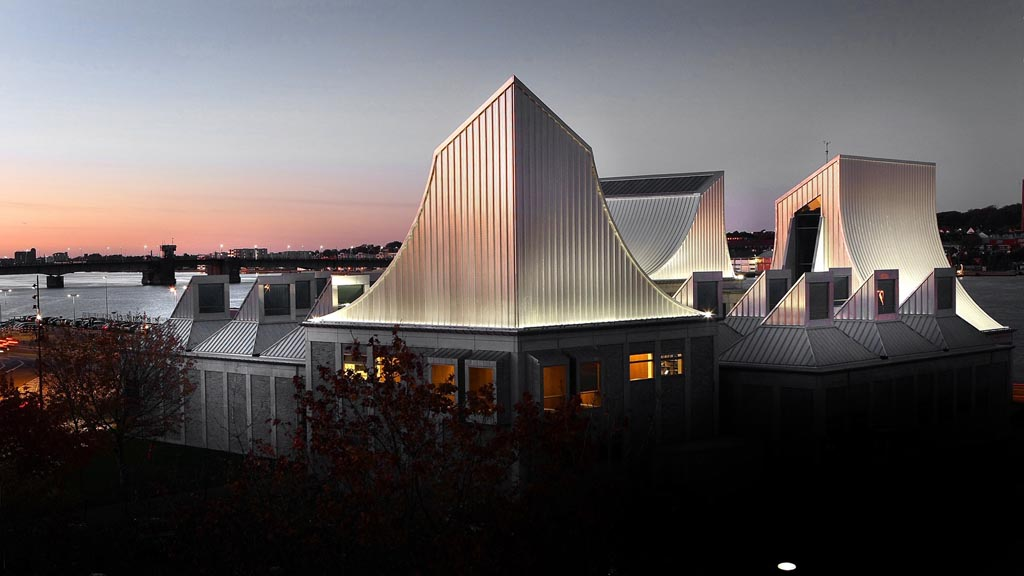
Dominating the absolute visual and physical crest of the regenerated central harbor front, this striking complex stands proud as the final masterpiece designed by the city most famous native son.
- What it is famous for: Being the last architectural monument designed by legendary architect Jørn Utzon, the master who created the iconic Sydney Opera House. Completed in 2008 as a collaborative cultural center, the building features spectacular, sculptural silver roof shells that echo the sails of ships navigating the Limfjord. Inside, the sunlit spaces house interactive experimental design labs, detailed architectural archives, and rotating fine art exhibitions that showcase the global impact of minimalist Danish furniture and spatial planning.
2. Lindholm Høje
The Enchanting Open Air Oasis of Triangular Viking Ship Graves and Mystical Tundra Earthworks
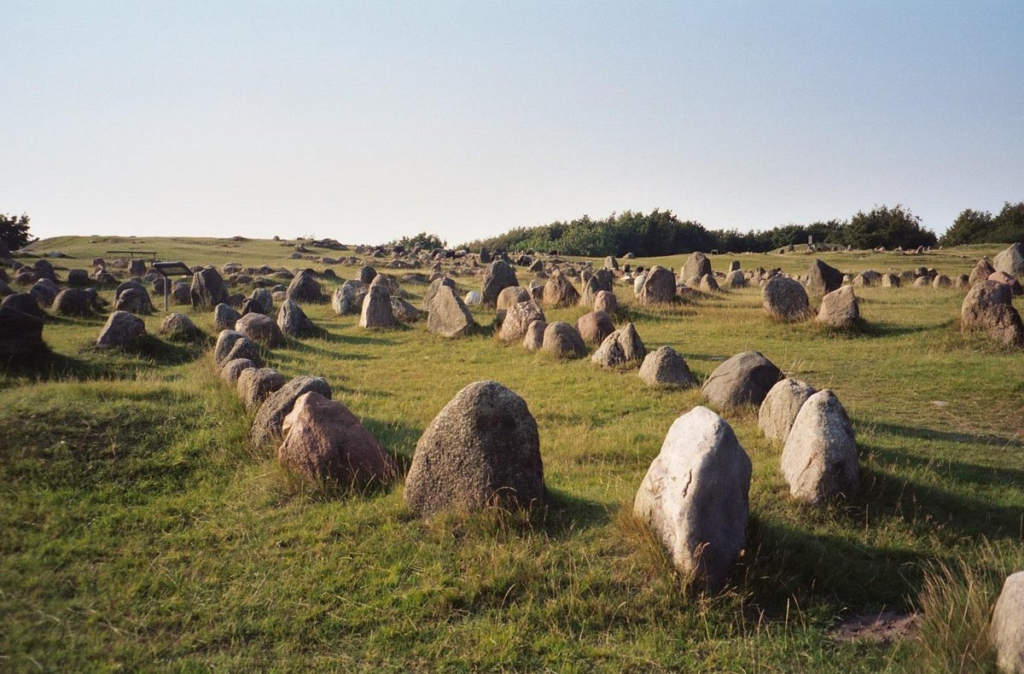
Commanding a majestic, windswept hill crest located directly across the water channel in the northern district of Nørresundby, this ancient archaeological preserve is an atmospheric time capsule.
- What it is famous for: Being one of the largest and most significant Viking Age burial sites in Scandinavia, featuring nearly seven hundred stone graves spanning the Iron Age. The dark stone monuments are uniquely arranged in the distinct triangular shapes of Viking longships, pointing across the landscape to guide ancestral spirits on their final voyages. A state of the art onsite museum uses advanced virtual animations and excavated bone relics to tell the daily stories of the prehistoric farmers, weavers, and warriors who settled this crucial trade hill.
3. Jomfru Ane Gade
The Rowdy Party Runway of Neon Lit Pub Alleys and Non Stop Midnight Social Fronts
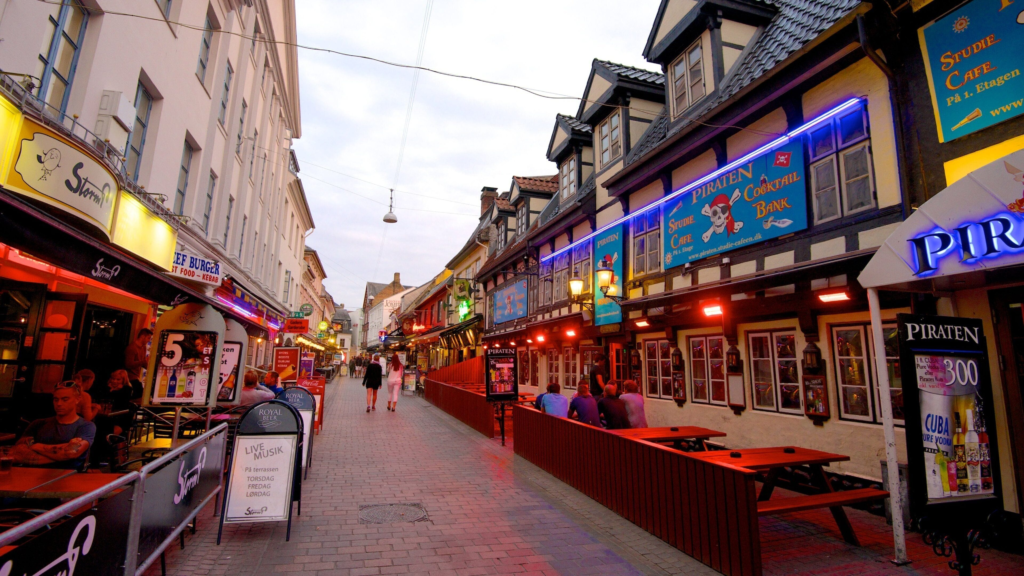
Slicing smoothly through the absolute historic core of the old town center grid, this iconic pedestrian street represents the most concentrated nightlife district in Scandinavia.
- What it is famous for: Being a world famous street dedicated entirely to entertainment, packed with more than twenty interconnected bars, nightclubs, discotheques, and cafes along a single strip. Natively known to locals simply as Gaden (The Street), this cobblestone avenue operates on a vibrant round the clock party system where music spills onto the lanes until dawn. It serves as the ultimate high energy social hub of the city, bringing students and travelers together under a continuous canopy of festive neon lights.
4. Musikkens Hus (The House of Music)
The Colossal Marine Matrix of Floating Silver Window Cubes and Acoustic Concert Vaults
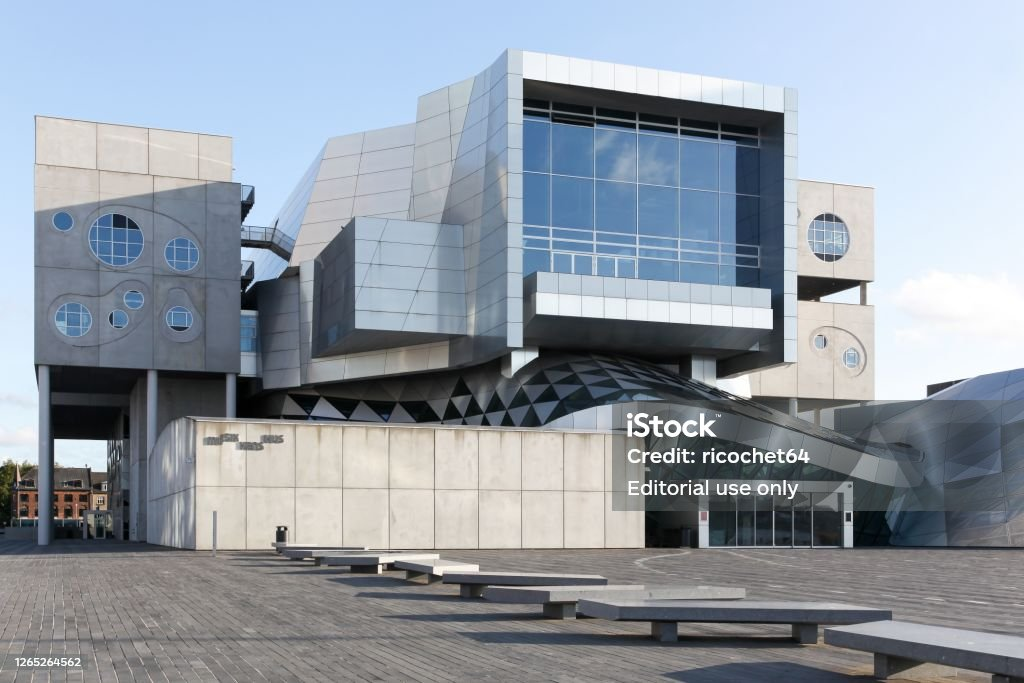
Sited dynamically right on the edge of the central harbor promenade, this futuristic, fourteen story cultural palace is a monumental achievement of modern architectural engineering.
- What it is famous for: Its spectacular avant garde design featuring a series of geometric, silver window cubes that cantilever over the fjord waters to capture maximum northern light. Designed by the celebrated Viennese architectural firm Coop Himmelb(l)au, the complex features a world class 1,300 seat symphonic concert hall suspended inside an outer concrete shell for absolute sound isolation. The facility operates as the home of the Aalborg Symphony Orchestra, offering public viewing platforms that look down into the mechanical music studios.
5. Jens Bangs Stenhus (Jens Bang House)
The Stately Renaissance Sovereign of Five Storey Dark Stone Gables and Satirical Stone Mask Carvings
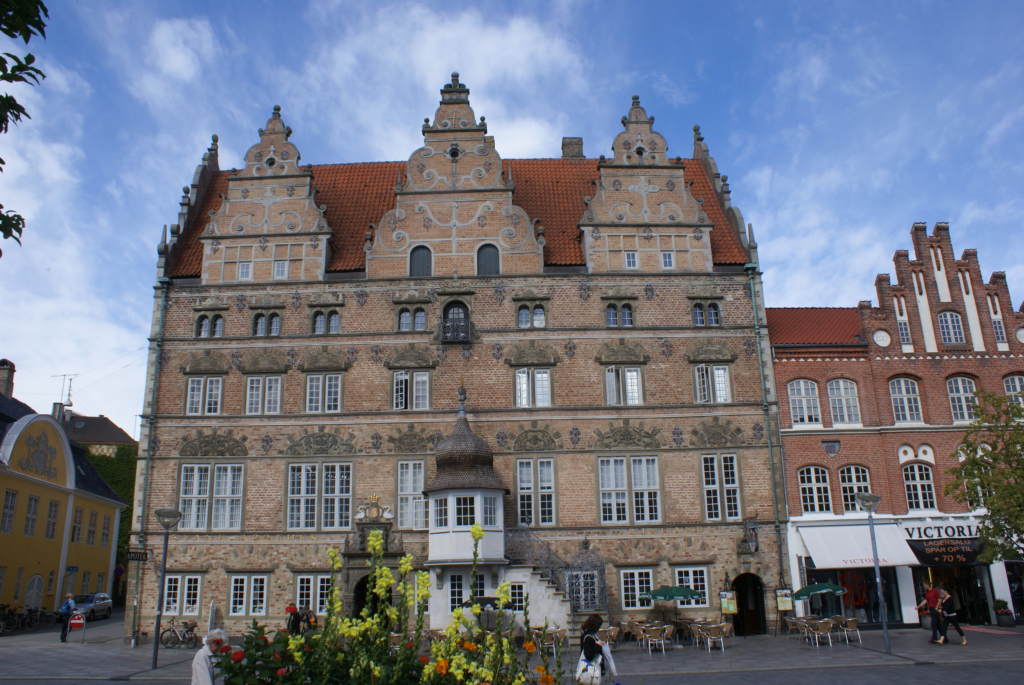
Dominating the bustling commercial pedestrian square of Nytorv right in the heart of the older city center, this grand sandstone mansion stands proud as a monument to merchant wealth.
- What it is famous for: Being the largest and finest Dutch Renaissance domestic merchant mansion in northern Europe, built grandly in 1624 by an eccentric local tycoon. The five story red brick and sandstone building features a magnificent ornate facade adorned with twisting gables and expressive stone gargoyle masks. According to local lore, the merchant carved a face sticking its tongue out directly toward the nearby town hall to mock the city politicians who continually denied him a seat on the municipal council.
6. Kunsten Museum of Modern Art Aalborg
The Luminous Structuralist Sovereign of White Carrara Marble Vaults and Sunlit Sculpture Lawns
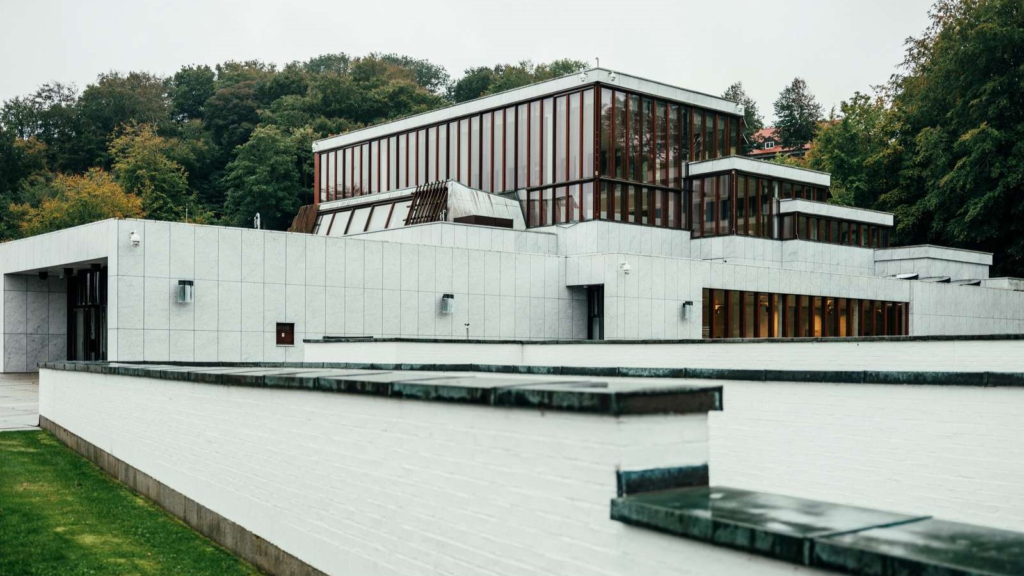
Nestled gracefully into the pristine, tree fringed valleys of the Mølleparken woods just southwest of the inner city center, this striking museum is an artistic haven.
- What it is famous for: Its extraordinary building crafted entirely out of gleaming white Carrara marble and light toned timber woods, designed by iconic Finnish architect Alvar Aalto. Completed in 1972, the building is celebrated for its unique internal skylight systems that catch and scatter the changing northern sunbeams to illuminate galleries without cast shadows. The museum houses a masterfully curated collection of Danish and international modern art, opening directly onto lush outdoor amphitheaters and water sculpture gardens.
7. Aalborghus Castle (Aalborghus Slot)
The Picturesque Walking Runway of Half Timbered Moat Walls and Royal Grain Storage Vaults
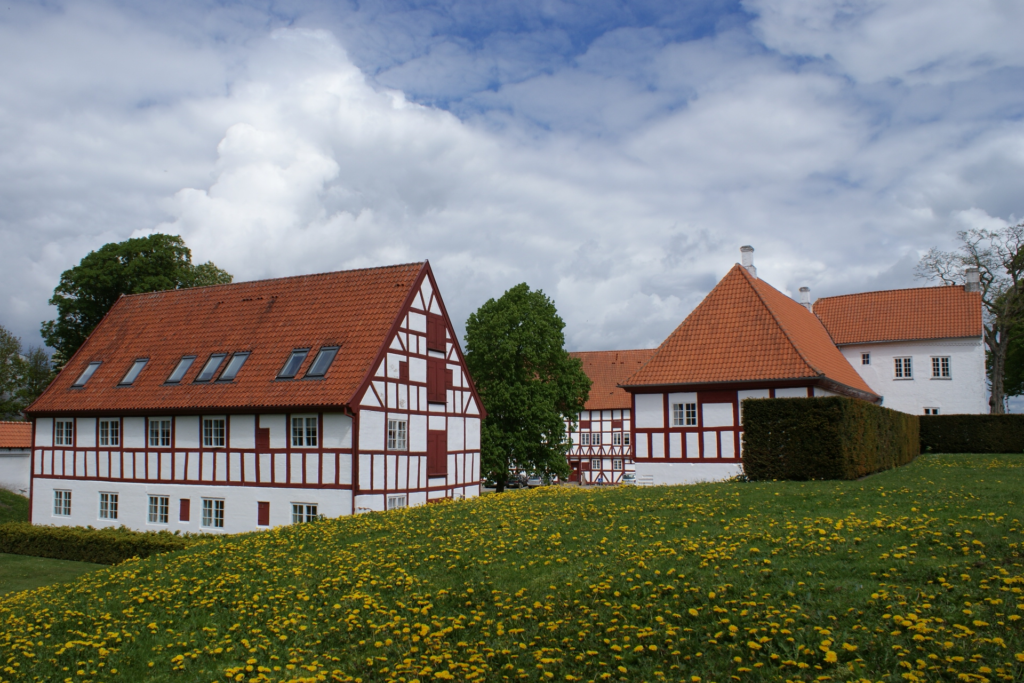
Occupying a prime, green parkland footprint positioned directly along the central banks of the Limfjord, this cozy fortress is an authentic royal relic.
- What it is famous for: Being a unique, half timbered fortification built in 1539 by King Christian III as a fortified seat for the royal tax collectors and governors. Unlike the massive stone castles of southern Denmark, this low built stronghold features timber frame structures painted in striking black and white patterns, surrounded by deep green grass ramparts and historic water moats. Visitors can walk through the stone tunnels to explore the old dark dungeons and the massive underground royal grain and food storage vaults.
8. Vestre Fjordpark
The Breathtaking Minimalist Palace of Open Fjord Water Baths and Wooden Beach Promenades
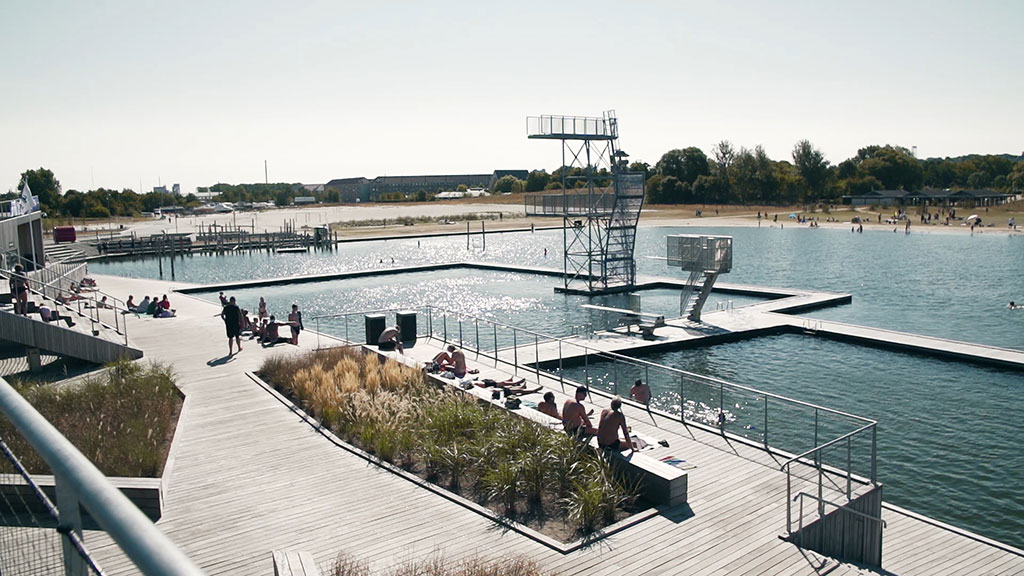
Sited dynamically along the western coastal fringes of the city where the urban grid meets the open estuary waters, this massive outdoor activity park is a summer lifestyle paradise.
- What it is famous for: Its award winning open air swimming complex that allows citizens to safely dive, kayak, and swim directly inside the natural, filtered saltwater currents of the fjord. The park features an extensive network of sweeping wooden sun decks, diving towers, sand volleyball courts, and wind sheltered barbecue pavilions. It functions as the ultimate free public wellness resort for the city during the long summer days, where locals sunbathe under the midnight sky.
9. Aalborg Zoo
The Sprawling Eco Matrix of African Savannah Plains and Arctic Polar Bear Pools
Commanding a prominent public stone platform on the high wooded slopes of the Mølleparken hill district, this major sanctuary holds the environmental memory of the north.
- What it is famous for: Being one of the premier zoological parks in Denmark, heavily celebrated for its successful international breeding programs for endangered global species. The park features massive, open landscape habitats where African elephants, giraffes, and zebras roam across a shared meadow environment. Its absolute modern highlight is the cutting edge polar bear facility, featuring thick underwater glass panels that allow visitors to look straight up at giant arctic bears as they swim through deep blue pools.

10. The Aalborg Tower (Aalborgtårnet)
The Soaring Iron Lattice Sentinel of High Altitude Restaurant Decks and Panoramic Tundra Overlooks
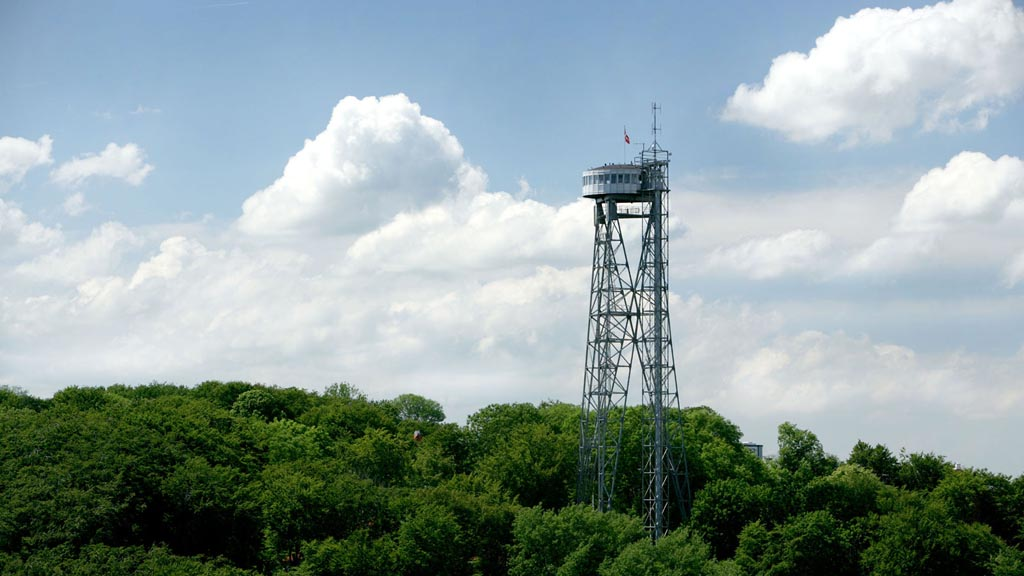
Rising grandly as a massive skeletal anchor from the absolute highest geographic crest of Skovbakken hill, this unique iron tower dominates the northern horizon.
- What it is famous for: Its striking retro industrial design featuring a three legged iron lattice structure that lifts an observation platform 105 meters above sea level. Built rapidly in 1933 as a temporary structural showcase for a major regional industrial fair, the tower became so iconic that the city voted to preserve it permanently. Stepping into the vintage elevator car takes riders up to a rotating panoramic restaurant that provides a breathtaking 360 degree bird’s-eye view stretching across the entire fjord valley.
11. Hjelmerstald
The Savory Cultural Repository of Crooked Medieval Cottage Walls and Hidden Hollyhock Lanes
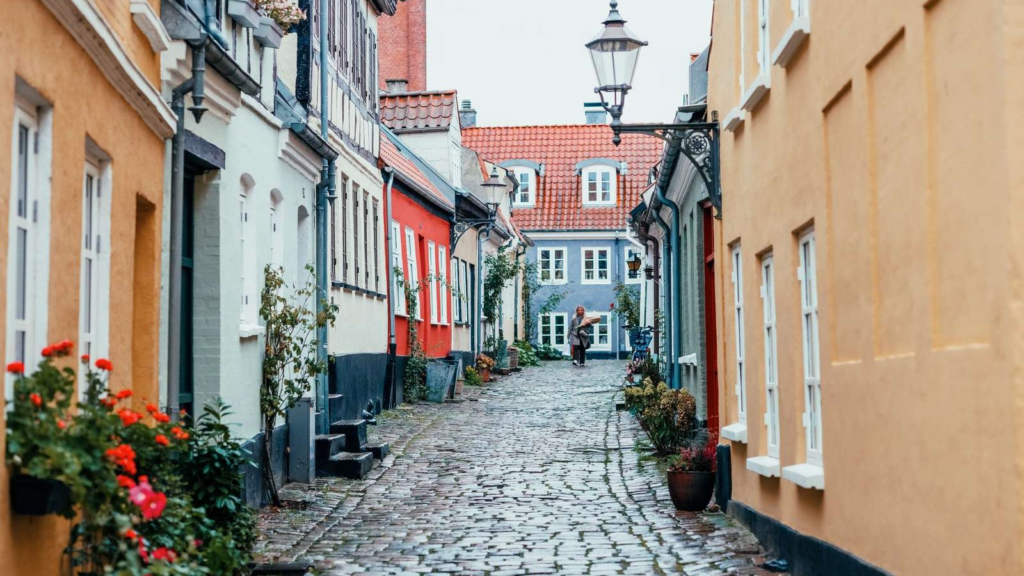
Slicing quietly through the absolute southern limits of the historic old town center grid, this historic residential lane represents a peaceful sanctuary from modern commerce.
- What it is famous for: Being the most picturesque and authentic medieval street remaining in Aalborg, lined with low built, pastel colored cottages dating back to the 17th century. Once a poor neighborhood populated by humble blacksmiths, horse stable hands, and fishermen, the lane has been preserved to show old pre industrial architecture. Walking this quiet pedestrian path takes travelers past crooked timber beams, old gas lamps, and blooming hollyhock flowers that press against the old cobblestone paths.