
Dubrovnik, clinging spectacularly to a jagged limestone promontory on the southernmost coast of Croatia, operates on a highly unique, fortified marine layout that marks it as the legendary “Pearl of the Adriatic.”
For centuries, it rivaled Venice in wealth and naval power, using brilliant diplomacy, a vast merchant fleet, and impenetrable stone ramparts to maintain its independent sovereignty against the shifting tides of the Ottoman and Byzantine empires.
Today, guided by its historic liberty-loving motto, “Non bene pro toto libertas venditur auro” (Liberty is not sold for all the gold in the world), Dubrovnik presents a striking urban grid where a dense collection of Baroque churches and Renaissance palaces sits safely enclosed within massive medieval walls.
The city effortlessly pairs its deep aristocratic history with a sun-drenched, high-end Mediterranean lifestyle and a massive modern reputation as a global cinematic icon.
Famous for its slow-simmered seafood broths (Brudet), freshly harvested Ston oysters, sweet caramel custards (Rozata), and local Malvasija white wines.
1. The Walls of Dubrovnik
The Colossal Stone Shield of Panoramic Bastions and Open-Sea Walks
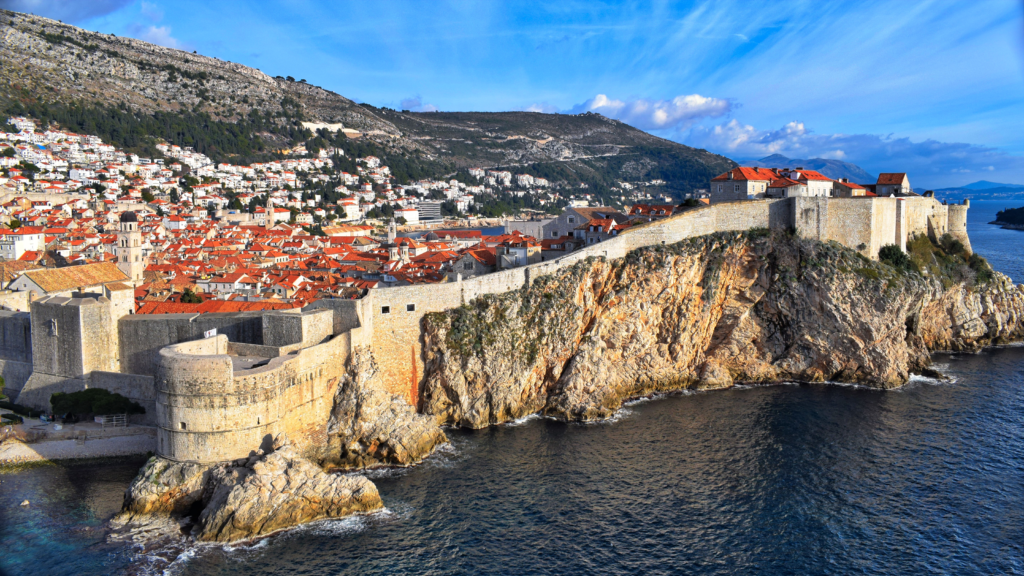
Encircling the entire historic old core in an unbroken, 2-kilometer loop of heavy white limestone, these world-famous medieval battlements stand proud as one of the most formidable fortification networks in Europe.
- What it is famous for: Its intact, 6-meter-thick stone curtain walls, grand corner towers, and providing an incredible walking tour of the coastline. Constructed systematically between the 12th and 17th centuries to shield the free republic from foreign naval invasions, the walls rise up to 25 meters high. Walking along the high stone ramparts treats travelers to an unobstructed view of the city’s complex geometry—juxtaposing a sea of terracotta rooftops against the shifting, deep-blue horizons of the open Adriatic Sea.
2. Stradun (Placa)
The Sun-Gleaming Limestone Promenade of Historic Clock Towers
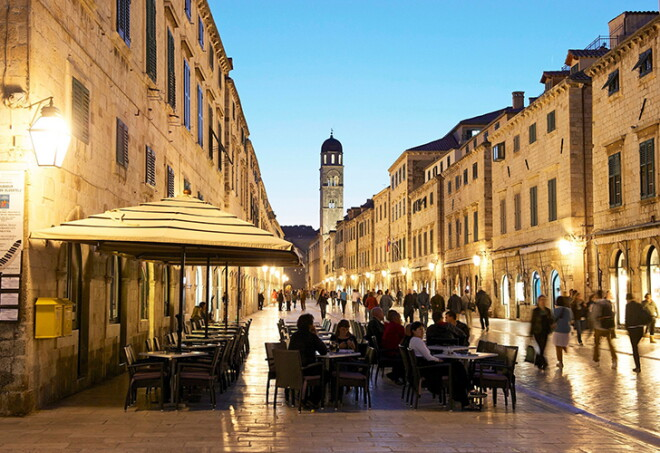
Slicing smoothly east to west directly through the heart of the old city grid, this wide, 300-meter-long pedestrian avenue serves as Dubrovnik’s primary social spine and retail corridor.
- What it is famous for: Its polished limestone paving blocks that shine like glass in the sun and its uniform 17th-century Baroque residential architecture. Originally a shallow sea channel separating a rocky island from the mainland, the channel was filled in to create the main street layout. Lined with outdoor cafes, shops, and historic monuments, Stradun links the main city entry gates, acting as a vibrant open-air stage where locals and global travelers gather for the daily đir (leisurely evening stroll).
3. Lovrijenac Fort (St. Lawrence Fortress)
The Sheer High-Cliff Gibraltar of the Adriatic Sea Channels
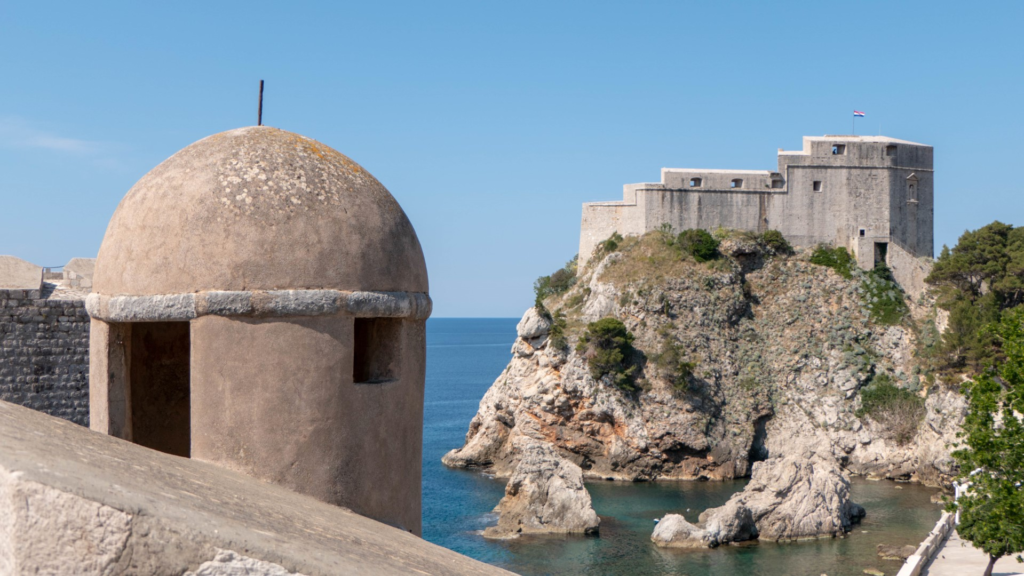
Perched dramatically on a detached, 37-meter-high volcanic rock spine just outside the western perimeter of the main city walls, this monumental triangular castle guards the old ports.
- What it is famous for: Its massive, 12-meter-thick sea-facing walls and its modern role as an atmospheric theatrical stage for Shakespearean plays. Legend says the local citizens built this fortress in just three months to beat an approaching Venetian fleet that planned to build a fort on the same spot. The fortress features a clever design where the walls facing the city are a mere 60 centimeters thick, ensuring that if the fort was captured, the republic’s heavy inner cannons could easily blast it back.
4. Rector’s Palace (Knežev Dvor)
The Symmetrical Gothic-Renaissance Residence of Republic Sovereigns
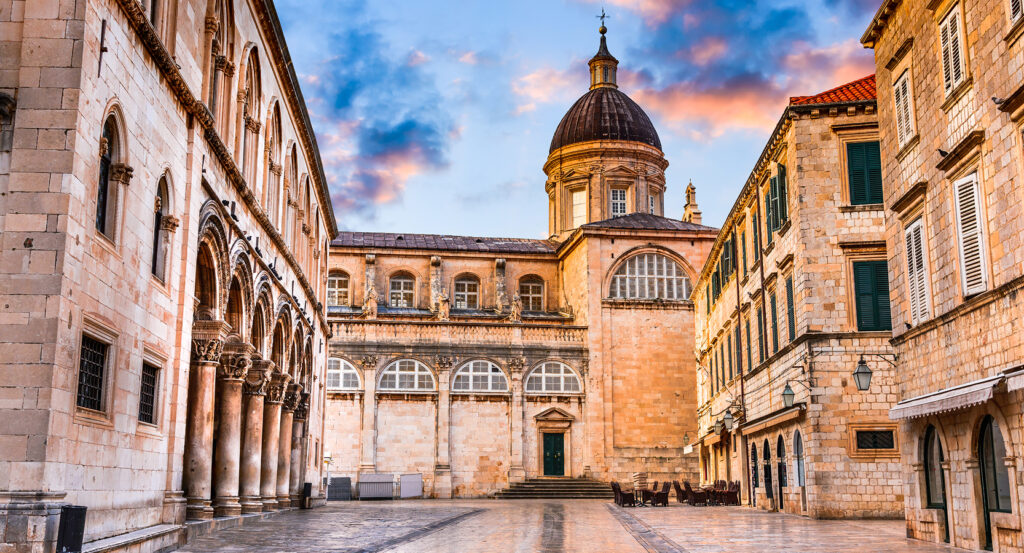
Commanding a prominent civic location on the historic square connecting Stradun with the old cathedral blocks, this highly refined palace serves as a monument to administrative history.
- What it is famous for: Its beautifully carved loggia columns, its symmetrical inner courtyard, and housing the historic state apartments of the Republic’s Rector. During the golden age of Ragusa, the elected Rector served a brief, one-month term during which he was forbidden from leaving this building except on official business, preventing political corruption. Today, the palace functions as a historical museum, guiding visitors past ornate period furniture, treasure chests, and original courtroom cells.
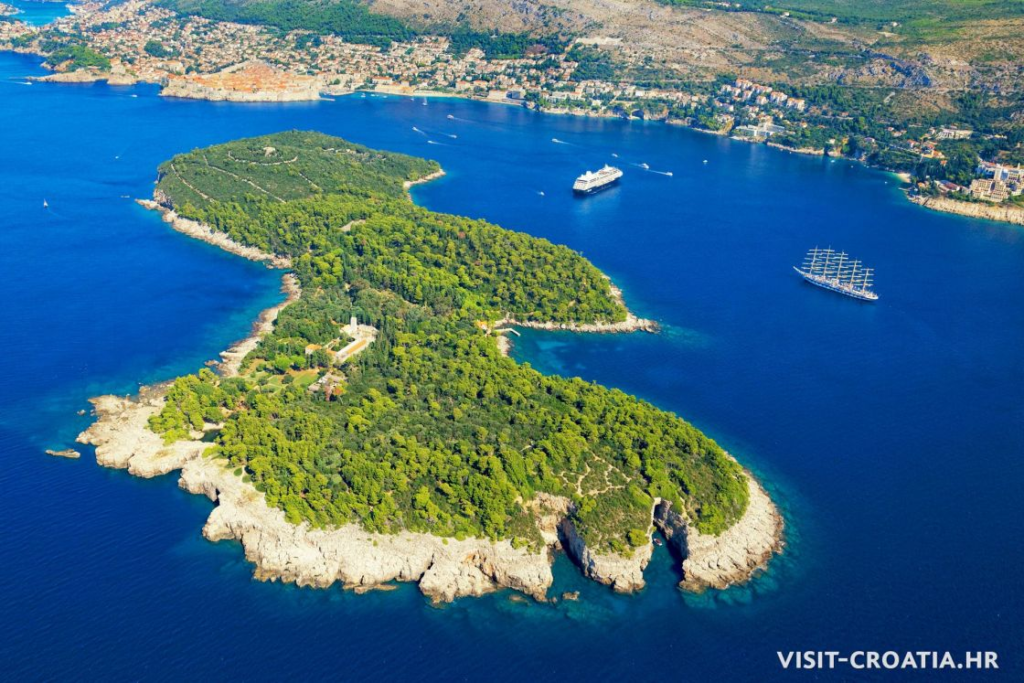
5. Lokrum Island
The Forested Peacock Sanctuary of Dead Sea Pools and Botanical Glades
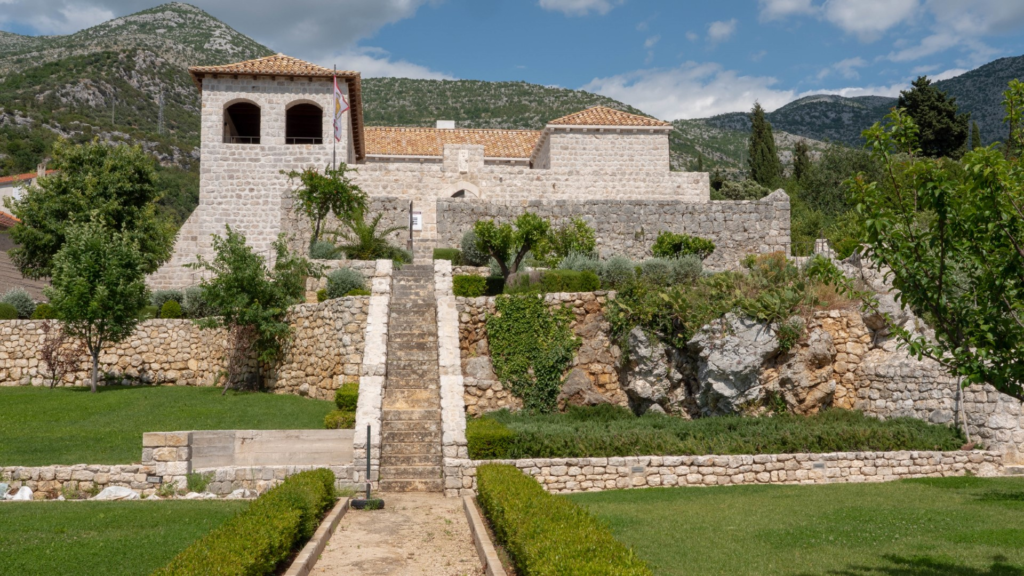
Situated just a brief, 15-minute catamaran ride roughly 600 meters directly offshore from the bustling old harbor docks, this lush, green nature reserve is a tranquil island escape.
- What it is famous for: Its wild-roaming peacock colonies, a historic Benedictine monastery complex, and a miniature, high-saline inland lake known as the Mrtvo More (Dead Sea). Cursed according to local maritime folklore by monks who were forced off the island, Lokrum is free of permanent residents and vehicles. Visitors can walk the shade of subtropical botanical gardens laid out by Archduke Maximilian of Habsburg or swim in the calm, rocky coves.
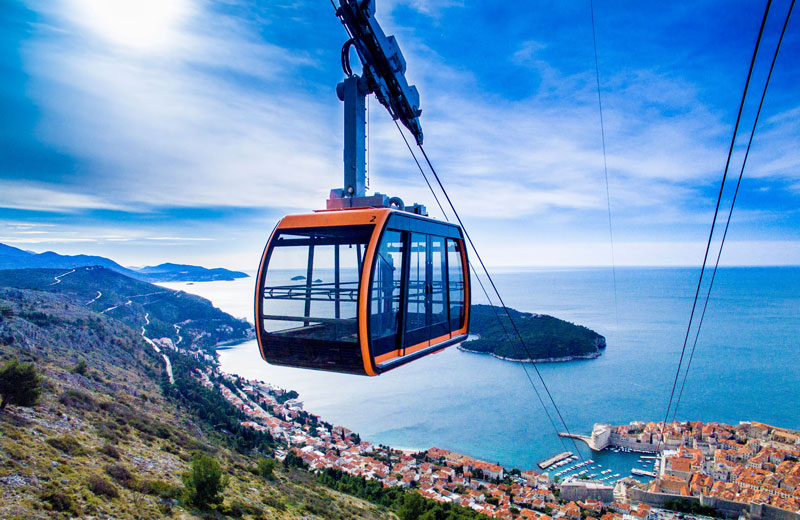
6. Srd Mountain & The Dubrovnik Cable Car
The Alpine Skyway Matrix of Panoramic Border Lookouts
Rising sharply like a massive limestone wall directly behind the northern battlements of the Old Town, this 412-meter craggy mountain peak dominates the regional border skyline.
- What it is famous for: Its futuristic, bright-orange aerial cable car system and the historic, star-shaped Imperial Fort sitting on its crest. Built by French Emperor Napoleon Bonaparte in the early 19th century, the mountaintop fort played a critical defensive role during the regional conflicts of the 1990s. Taking the 4-minute cable car ride up the sheer rocky slopes treats travelers to a breathtaking look stretching over the entire Old Town, the island of Lokrum, and the distant Elaphiti archipelago.
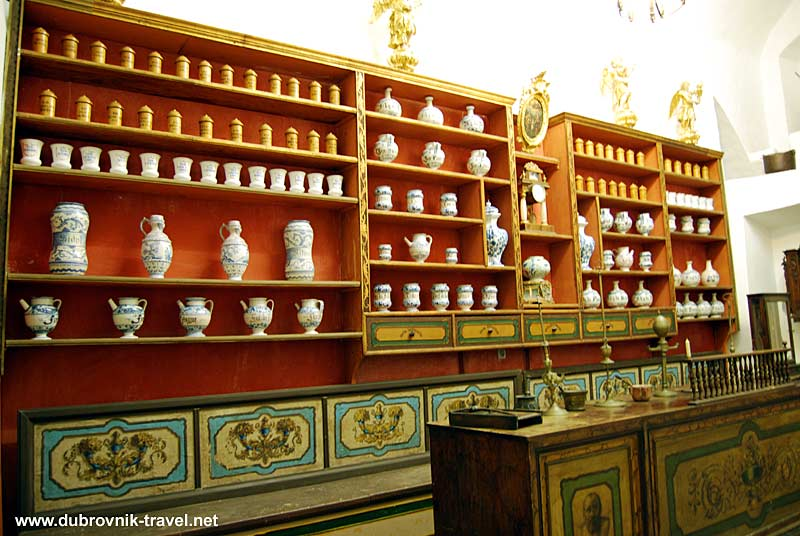
7. Franciscan Monastery & Old Pharmacy
The Silent Cloister Sanctuary of Centuries-Old Herbal Inventions
Tucked quietly into the northern shadow of the main Pile Gate entrance at the western head of Stradun, this large, 14th-century monastic complex is a true cultural repository.
- What it is famous for: Its gorgeous Romanesque garden cloister columns and housing one of the oldest continuously operating pharmacies in the world. Founded in 1317, the monastery’s pharmacy has spent over seven centuries blending healing skin creams, herbal teas, and rose-water lotions from historic recipes. The tranquil inner courtyard features twin columns carved with whimsical animal and human heads surrounding a lush, green Mediterranean garden.
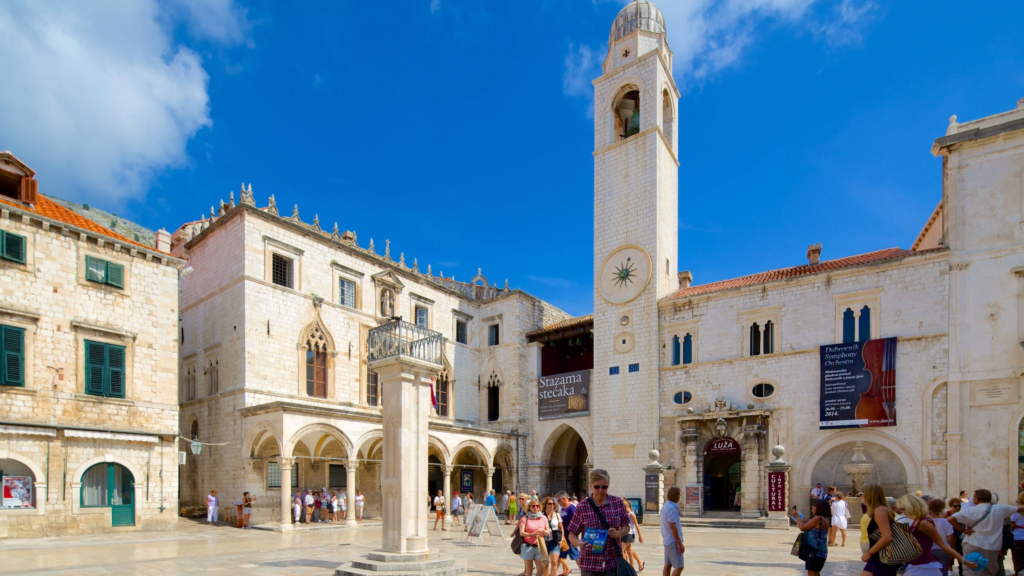
8. Sponza Palace
The Gothic-Renaissance Palace of Silk Customs and Republic Archives
Positioned gracefully at the absolute eastern end of Stradun next to the historic city bell tower, this highly elaborate, arcade-fronted palace is one of the few structures to survive a catastrophic 1667 earthquake.
- What it is famous for: Its striking blend of Gothic and Renaissance stone architecture and containing the complete historical state archives of the Republic. Over the centuries, this grand building functioned as a customs house, a mint, a state treasury, and a scholarly academy. Its inner courtyard features a famous inscription warning merchants against dishonest trade: “Our weights cheat not; when I weigh goods, God Himself weighs with me.”
9. Big Onofrio Fountain
The Circular Multi-Masked Matrix of Spring-Water Basins
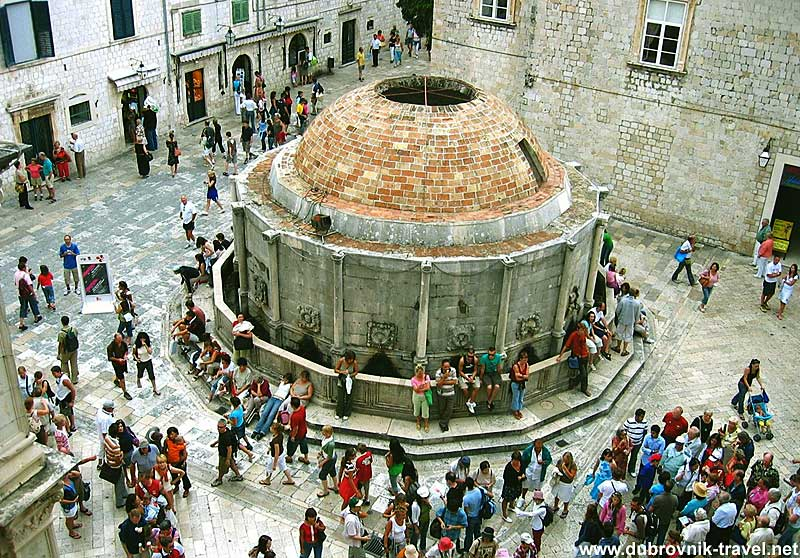
Dominating the sprawling, stone-paved entrance plaza just inside the historic Pile Gate entry, this unique, open-air circular water monument is an architectural masterpiece.
- What it is famous for: Its polygonal, 16-sided domed design and being the terminus of a historic 12-kilometer aqueduct system. Designed in 1438 by Neapolitan engineer Onofrio della Cava, the fountain brought fresh spring water directly from mountain streams into the heart of the coastal city, a major public health milestone for the era. Each of the 16 stone panels features a unique, intricately carved stone mask (maskeron) shooting fresh water into a large marble collection pool.
10. The Old Harbour
The Fortified Marine Basin of Seafood Dining and Catamaran Docks
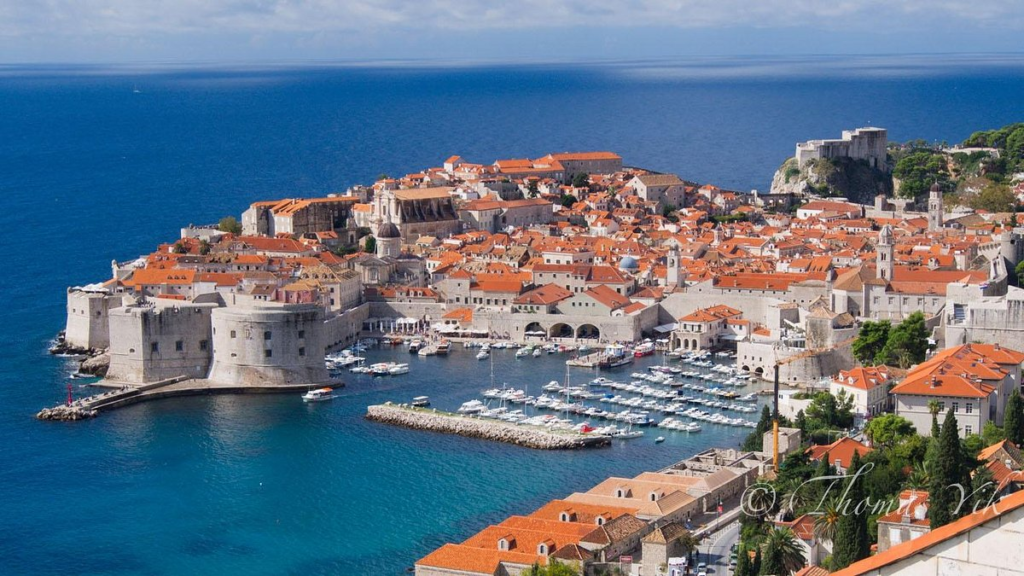
Tucked into the secure, southeastern curve of the city’s stone walls, this historic maritime port is protected from the open seas by the massive towers of St. John and Revelin.
- What it is famous for: Its historic stone breakwater (Porporela), scenic waterfront dining docks, and being the maritime gateway to offshore islands. During the golden age of trade, this port held the highly valued shipyards that constructed the Republic’s world-renowned merchant vessels. Today, the harbor has been successfully transformed into a breezy lifestyle venue, where travelers sit at open-air seafood taverns to watch traditional wooden fishing boats and modern catamarans move along the water.
11. Cathedral of the Assumption of Mary
The Polyptych Baroque Basilica of Golden Reliquaries and Titian Masterpieces
Commanding a majestic presence on the southern edge of the administrative core, this grand, copper-domed Roman Catholic cathedral stands as the primary religious center of the city.
- What it is famous for: Its elegant Roman Baroque facade, a high-altar painting by Italian master Titian, and a gold-filled treasury cave. Built on the site of an earlier Romanesque church funded by King Richard the Lionheart following his survival of a nearby shipwreck, the cathedral is a monument to resilience. The heavily secure Treasury holds over 100 precious reliquaries, including the gold-and-enamel arm, leg, and skull casings of the city’s patron saint, St. Blaise, crafted by master Ragusan goldsmiths.