
Oslo, anchoring the absolute geographic and historic core of the Eastern Norway region along the deep waters of the Oslofjord, operates on a spectacular waterfront layout where ultra-modern architecture meets pristine dense woodlands and shimmering marine paths.
Today, Oslo presents an incredible architectural matrix where sleek contemporary glass edifices like the Barcode project coexist harmoniously with centuries-old stone redoubts, majestic royal domains, and vast open-air galleries.
This is a city that does not merely house its heritage; it builds public infrastructure that invites locals and travelers alike to physically ascend its landmarks, plunge into its thermal fjord saunas, and traverse thousands of miles of hiking trails.
For the intrepid urban explorer, a journey through Oslo reveals a deeply thoughtful metropolis that balances intense creative expression with an unwavering devotion to the rugged Scandinavian landscape.
1. The Oslo Opera House (Operahuset)
The Glacier-Inspired Angled Sovereign of Waterfront Architecture and Public Rooftops
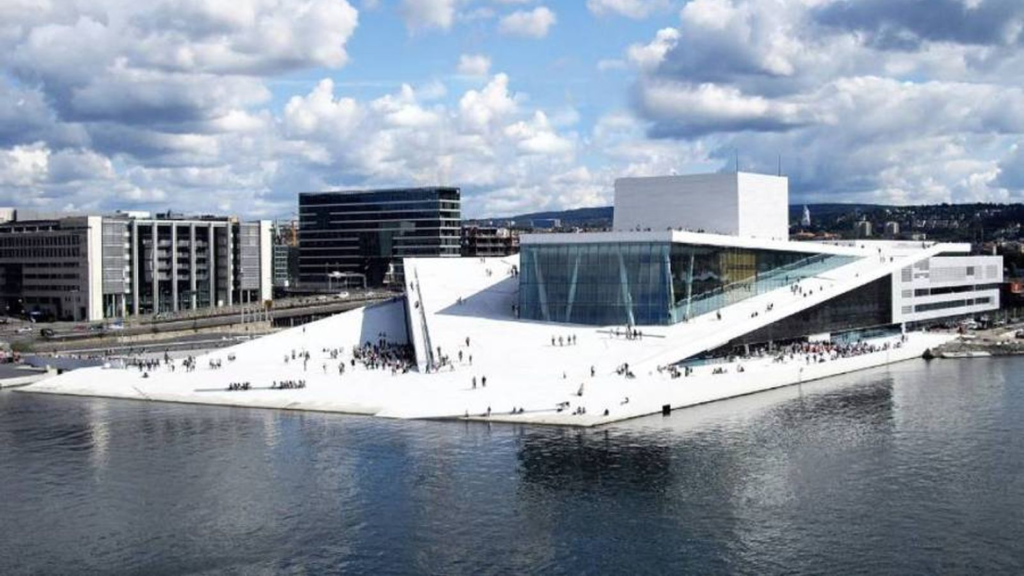
- What it is famous for: Being the defining symbol of Oslo’s modern waterfront renaissance. Designed by the renowned Norwegian firm Snøhetta, this stunning white Italian marble and granite masterpiece appears to rise directly out of the Oslofjord like a floating glacier. Its most revolutionary feature is its sloped, walkable roof, which allows visitors to stroll from the ground level straight up to the peak for panoramic views of the city and fjord. Inside, a warm wave wall of oak contrasts with the stark, icy exterior, housing world-class opera and ballet performances while serving as an open, democratic public plaza.
2. Vigeland Sculpture Park (Vigelandsparken)
The Monumental Open-Air Sovereign of Human Emotion and Granite Monoliths
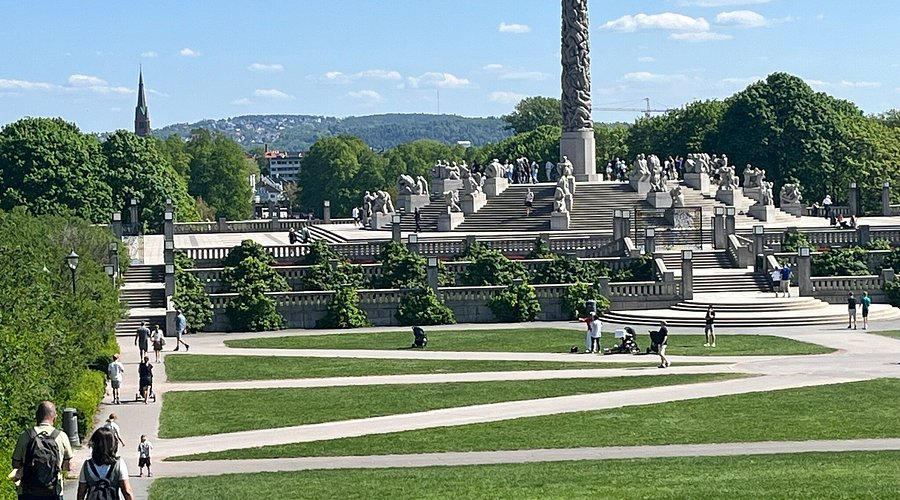
- What it is famous for: Being the world’s largest sculpture park dedicated entirely to the work of a single artist. Nested within the lush expanses of Frogner Park, this extraordinary outdoor gallery showcases 212 bronze, granite, and cast-iron sculptures crafted by Gustav Vigeland. The figures capture the raw, unvarnished spectrum of the human condition—from joy and love to anger and old age. The park’s towering centerpiece is The Monolith, a colossal single column of granite carved with 121 intertwined human bodies scrambling toward the sky, flanked by the famous Angry Boy (Sinnataggen) statue.
3. Akershus Fortress (Akershus Festning)
The Medieval Stone Sovereign of Military Might and Fjord-Side Defense
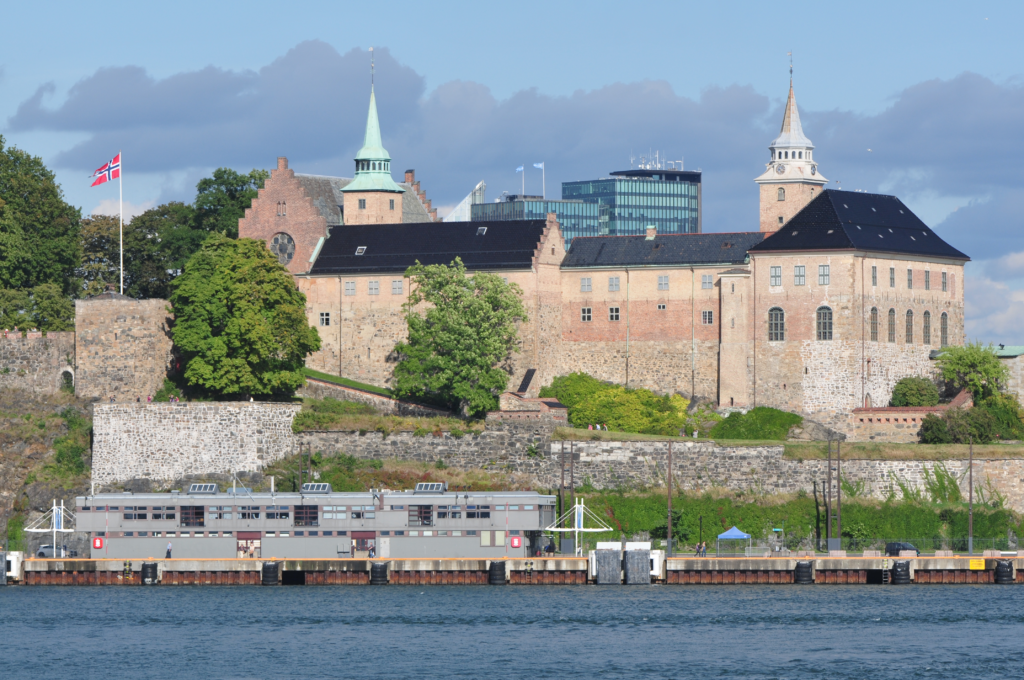
- What it is famous for: Guarding the harbor of Oslo for over seven centuries with an unbroken military legacy. Commissioned in 1299 by King Haakon V, this imposing medieval castle was converted into a grand Renaissance royal residence in the 17th century before serving as a strategic stronghold against numerous Swedish sieges. Today, its ancient stone bastions, leafy ramparts, and historic dungeons offer some of the most striking vantage points over the bustling port and Aker Brygge. It remains an active military zone, housing the Royal Mausoleum, the Norway’s Resistance Museum, and stately banquet halls used for official state events.
4. The Munch Museum (MUNCH)
The Angled Glass Sovereign of Expressionist Masterpieces and Iconic Screams
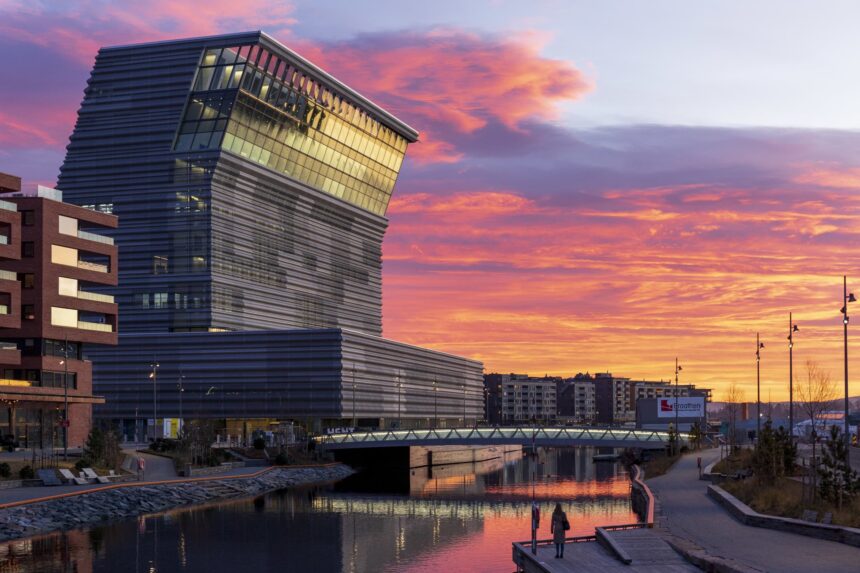
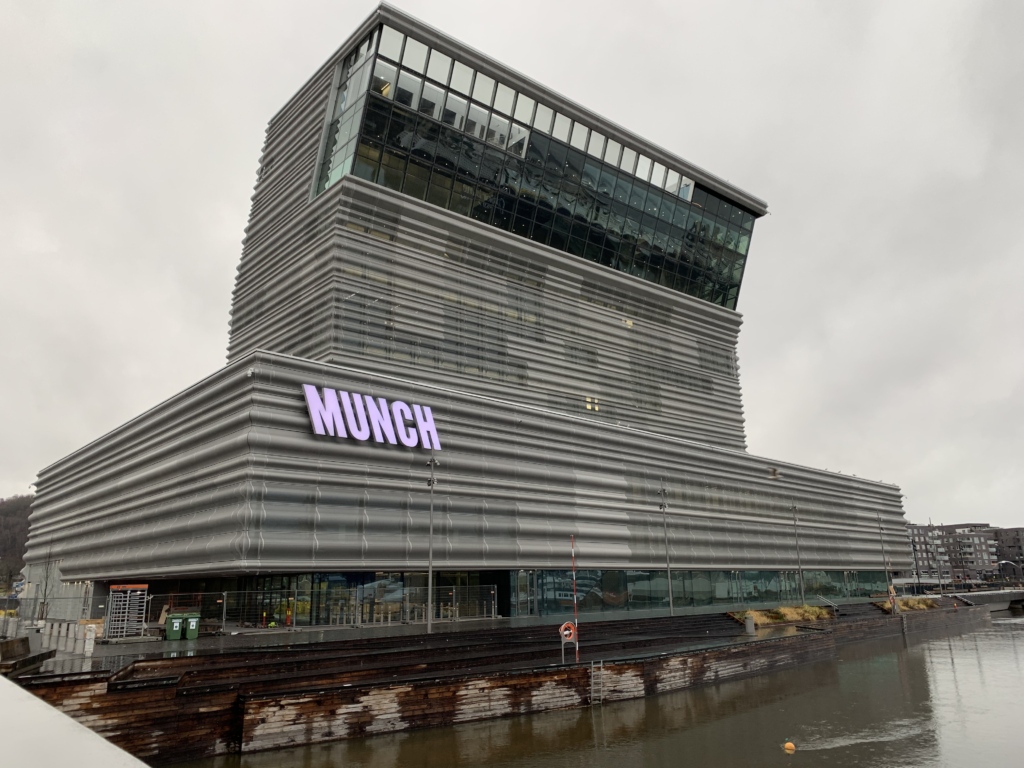
- What it is famous for: Housing the world’s largest definitive collection of works by the legendary Expressionist painter Edvard Munch. Rising as a striking, hyper-modern tower with a distinct tilted top over the Bjørvika waterfront, this museum contains more than 26,000 pieces of art bequeathed by Munch to the city. Visitors flock here to gaze upon multiple original versions of his crowning achievement, The Scream, which are displayed on a rotating schedule to protect their fragile pigments. The upper floors offer breathtaking, floor-to-ceiling vistas of the fjord below, bridging his historic angst with Oslo’s bright future.
5. Karl Johans gate
The Bustling Neoclassical Sovereign of Urban Life and Royal Processions
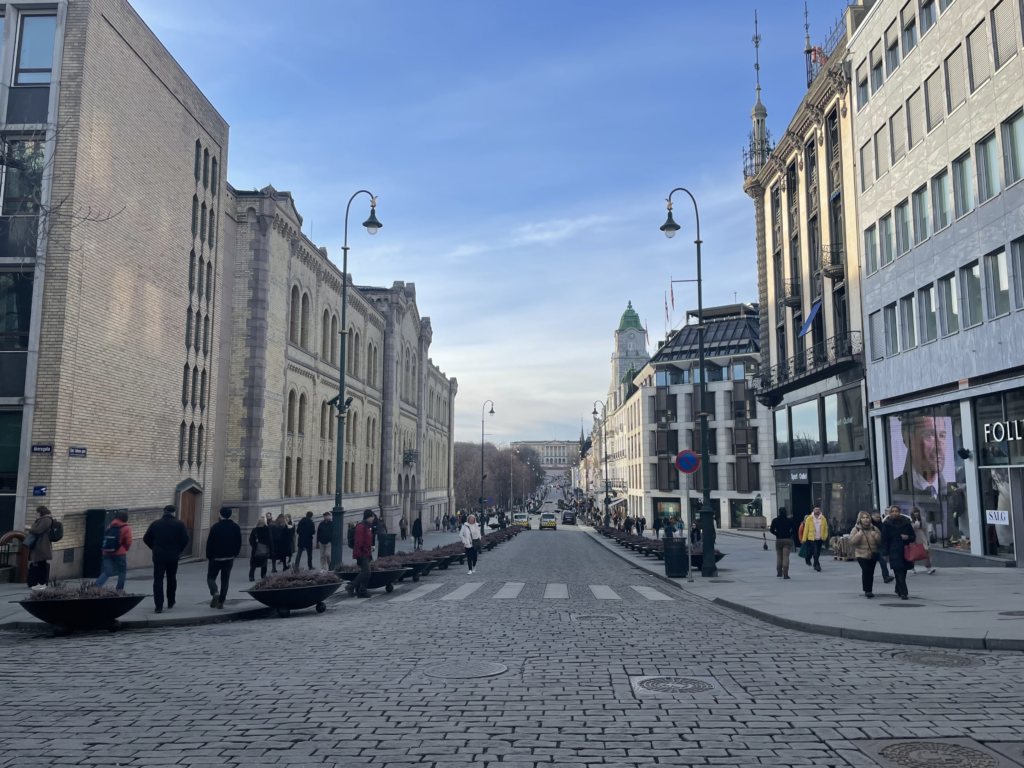
- What it is famous for: Serving as the vibrant central artery of Oslo that stitches the city center together. Stretching from Oslo Central Station all the way up a gentle hill to the gates of the Royal Palace, this grand historic boulevard is lined with 19th-century neoclassical architecture, high-end shops, open-air cafés, and street performers. Walking its length brings travelers past Norway’s most vital institutional buildings, including the Stortinget (Parliament), the National Theatre, and the historic buildings of the University of Oslo.
6. The Fram Museum (Frammuseet)
The Pyramidal Timber Sovereign of Polar Exploration and Icebreaking Endurance
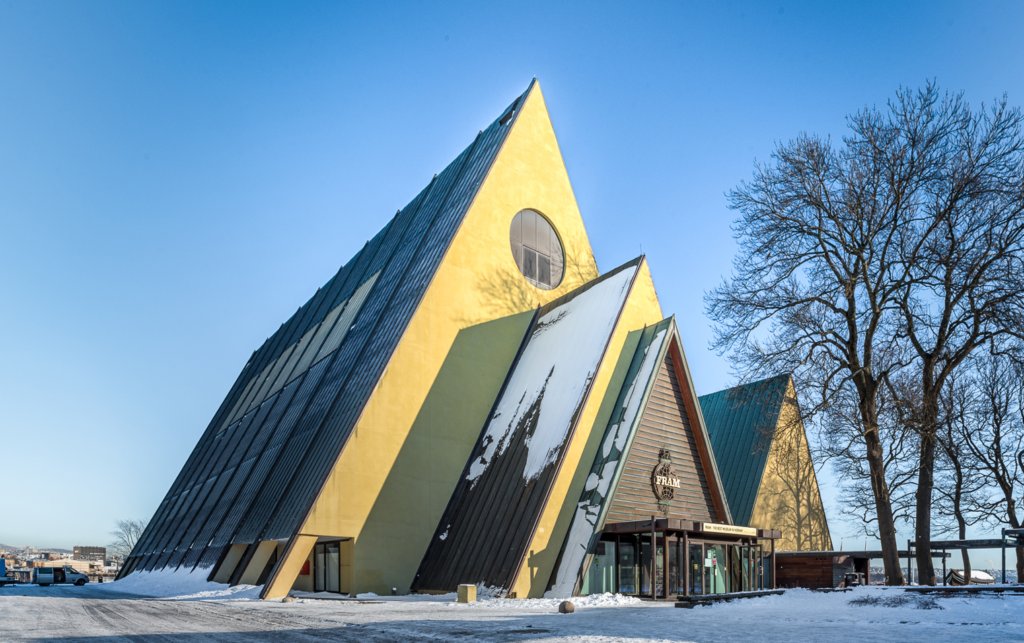
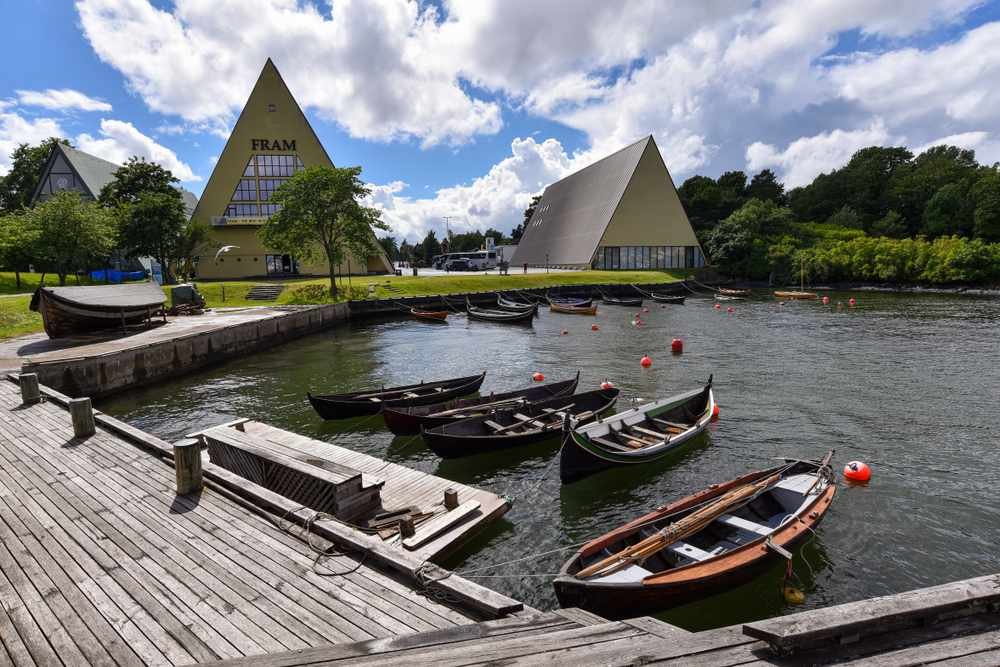
- What it is famous for: Enclosing the original, legendary icebreaker ship Fram, which sailed further north and south than any other wooden vessel. Situated on the museum-rich Bygdøy Peninsula, this distinctive triangular building allows visitors to step directly aboard the historic ship used by legendary explorers like Fridtjof Nansen, Otto Sverdrup, and Roald Amundsen. The immersive exhibit features realistic northern lights simulators, sub-zero temperature chambers, and deep historical documentation of grueling Arctic and Antarctic expeditions.
7. The Royal Palace (Det kongelige slott)
The Neoclassical Sovereign of Monarchy, Parklands, and Regal Grandeur
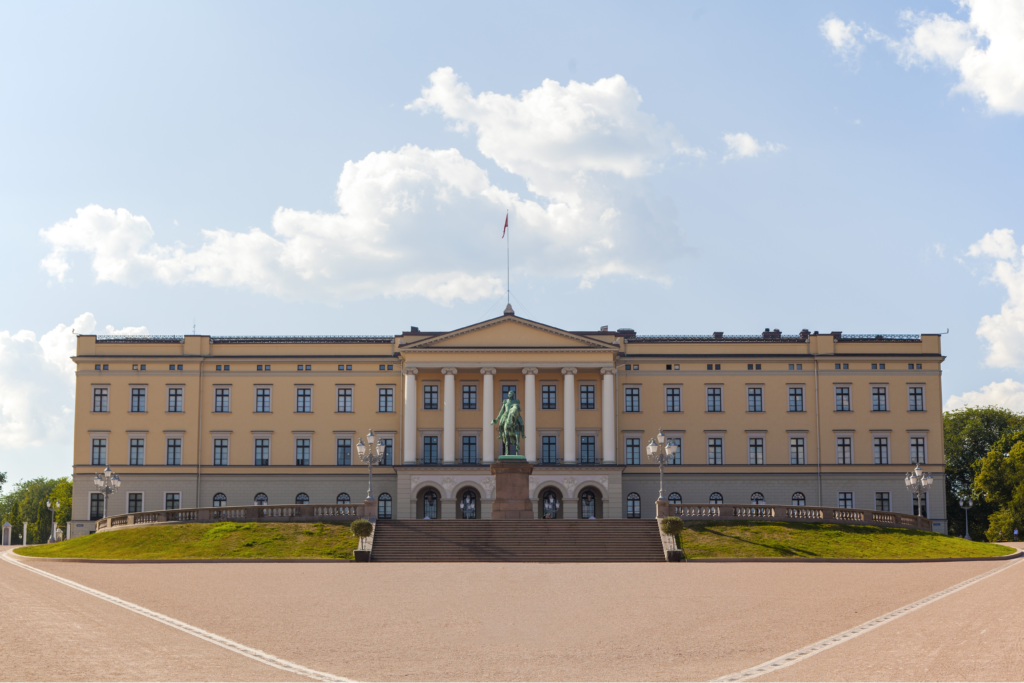
- What it is famous for: Being the official active residence of the Norwegian monarch. Completed in 1849 atop the scenic Bellevue hill at the terminus of Karl Johans gate, this elegant, pastel-hued neoclassical palace represents the understated elegance of Norway’s royal family. While the interior is open for exclusive guided tours during the summer months, the surrounding Royal Palace Park is completely open to the public year-round, featuring tranquil ponds, majestic trees, and a daily changing of the guard ceremony at 1:30 PM.
8. Holmenkollen Ski Jump & Museum
The Soaring Steel Sovereign of Winter Sports and Panoramic Alpine Heights
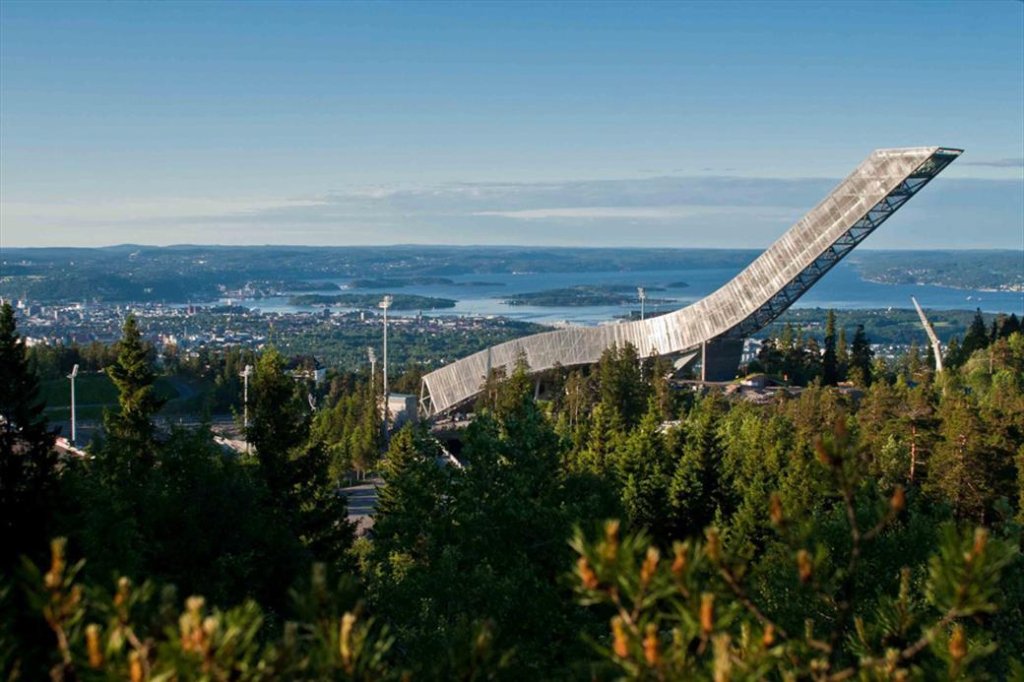
- What it is famous for: Being the birthplace of modern ski jumping and a legendary monolith of alpine culture. Perched high on a hillside overlooking the city, Holmenkollen’s iconic, futuristic steel structure cantilevers dramatically into the sky, hosting elite international competitions. At its base sits the world’s oldest ski museum, charting 4,000 years of skiing history and polar exploration artifacts. For thrill-seekers, the observation deck at the absolute top of the launch structure provides an unparalleled, 360-degree view of the entire Oslofjord basin.
9. Bygdøy Peninsula
The Pastoral Fjord Sovereign of Maritime History and Sandy Escapes
- What it is famous for: Operating as a scenic, museum-packed maritime oasis just minutes from the dense city center. Reachable by a short ferry ride from the harbor, Bygdøy is an idyllic combination of lush forests, organic royal farmlands, and popular sandy swimming beaches like Huk. It serves as Oslo’s cultural treasury, housing the Fram Museum, the Kon-Tiki Museum, and the expansive open-air Norwegian Museum of Cultural History, which features over 150 historic timber buildings collected from across the nation.
10. Oslo City Hall (Rådhuset)
The Red-Brick Functionalist Sovereign of Civic Art and Nobel Peace Laureates
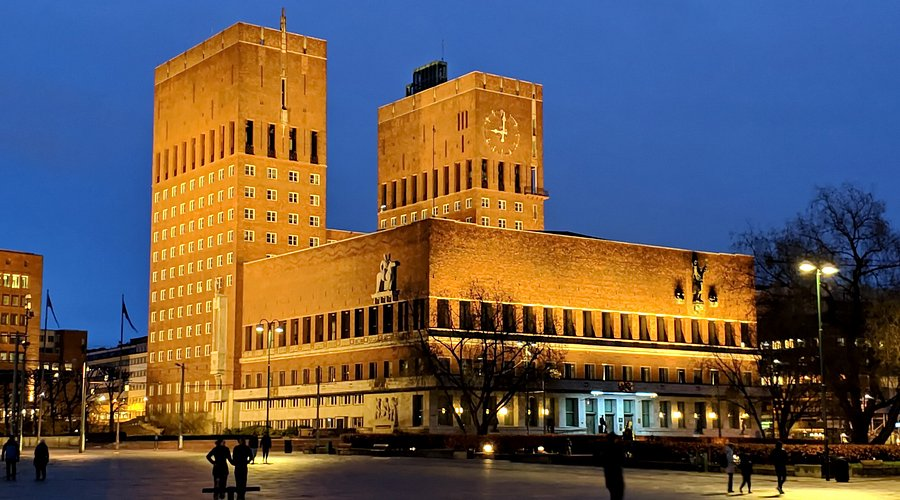
- What it is famous for: Hosting the world-renowned Nobel Peace Prize ceremony every December. This monumental, two-towered building clad in dark red brick stands prominently on the harbor front and represents a masterpiece of mid-century Norwegian functionalism. While its geometric exterior is imposing, the vast central hall inside is a treasure trove of vibrant, gargantuan murals painted by celebrated Norwegian artists, detailing the nation’s history, labor struggles, and cultural identity.
11. The National Museum (Nasjonalmuseet)
The Slate-Clad Sovereign of Scandinavian Art and Cultural Treasures
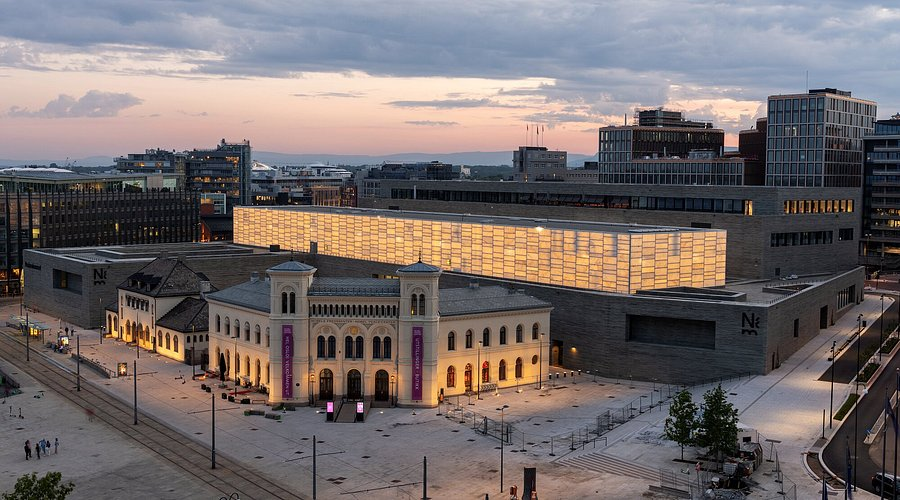
- What it is famous for: Being the largest art museum in the entire Nordic region. Clad in striking gray local slate, this massive, state-of-the-art building consolidates the collections of Norway’s former National Gallery, Museum of Contemporary Art, and Museum of Decorative Arts and Design. It showcases thousands of years of human creativity, including magnificent Viking artifacts, traditional tapestries, and a dedicated room housing another iconic version of Edvard Munch’s The Scream, alongside works by master painters like Picasso and Van Gogh.