
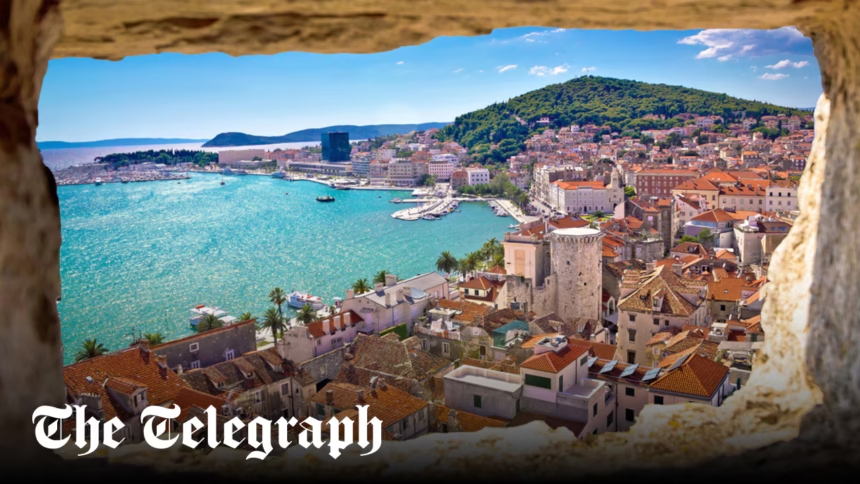
Split, sweeping grandly across a sun-drenched peninsula on the central Dalmatian coast of Croatia, operates on a highly unique layout that marks it as the only city in the world born directly inside a Roman Emperor’s retirement home.
Because it occupies a highly strategic gateway position along the Adriatic Sea channels, it evolved from a secure Roman refuge into a prosperous medieval trading power contested by Byzantine rulers, Hungarian kings, and Venetian doges.
Today, Split presents a striking urban grid where modern apartments, trendy cafes, and lively boutique shops are built directly inside the 1,700-year-old stone walls, columns, and arches of the Roman complex.
The city effortlessly pairs its deep imperial heritage with a high-energy seaside lifestyle, a bustling international ferry port, and the local philosophy of Dišpet—a specific Dalmation spirit of stubborn pride and resilience.
Famous for its slow-cooked beef stews (Pašticada), olive oil-drizzled grilled sea sea bream, deep regional Plavac Mali red wines, and a breezy, palm-fringed coastal lifestyle.
1. Diocletian’s Palace
The Colossal Living Matrix of Imperial Temples and Vibrant Urban Alleys
Occupying the absolute heart of Split’s historic coastal core, this massive, 30,000-square-meter Roman fortress-palace stands proud as one of the most complete and spectacular ancient monuments in existence.
- What it is famous for: Being a living, breathing UNESCO World Heritage site where 3,000 citizens still live and operate shops directly inside ancient Roman ruins. Built using lustrous white limestone from the nearby island of Brač, the palace combines a luxury southern seaside villa design with a heavily fortified northern military camp. Visitors can walk the original intersecting streets—the Cardo and Decumanus—to explore an incredible maze of hidden courtyards, Roman archways, and medieval structures.
2. The Peristyle (Peristil)
The Monumental Open-Air Court of Granite Sphinxes and Imperial Columns
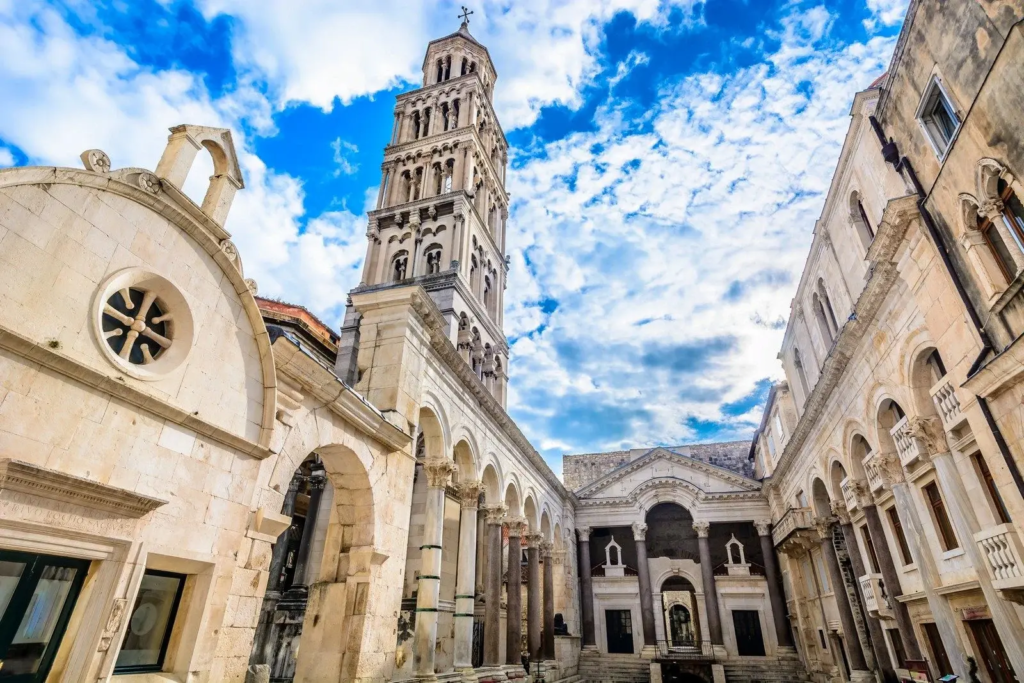
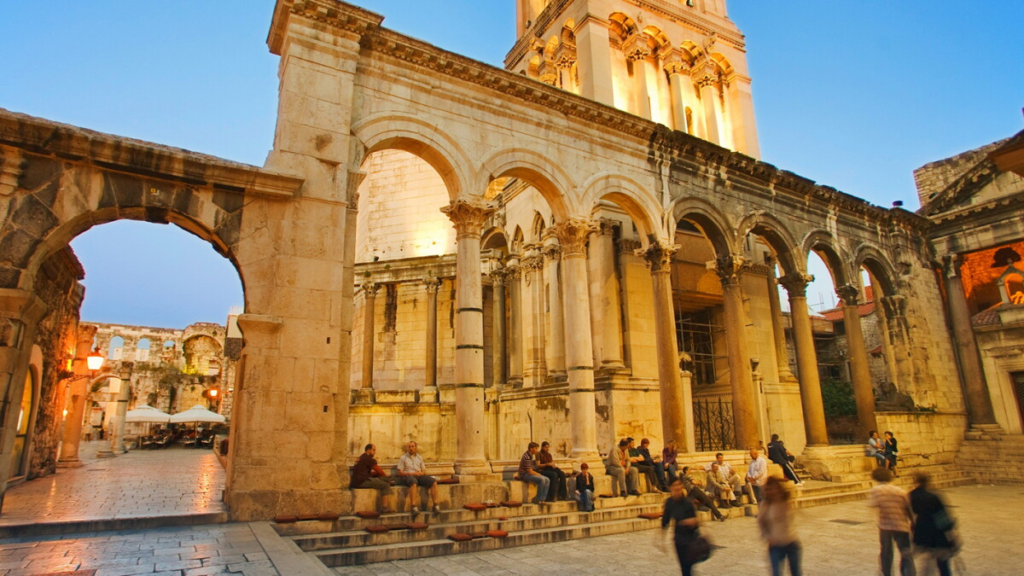
Forming the grand architectural axis where the northern military quarters met the southern imperial apartments, this spectacular, column-lined central square is the dramatic heart of Split.
- What it is famous for: Its intact red granite Corinthian columns, a 3,500-year-old black Egyptian sphinx, and its exceptional acoustic qualities. During ancient times, Emperor Diocletian would step out onto the grand stone portico (Protyron) to address his subjects, who lay prostrate on the marble steps below. Today, the square functions as a vibrant open-air theater and meeting hub, where visitors sit on red cushions scattered along the ancient stone steps to enjoy live opera, acoustic guitar sets, and espresso under the stars.
3. The Riva Promenade
The Palm-Fringed Coastal Runway of Sun-Drenched Sunsets and Cafes
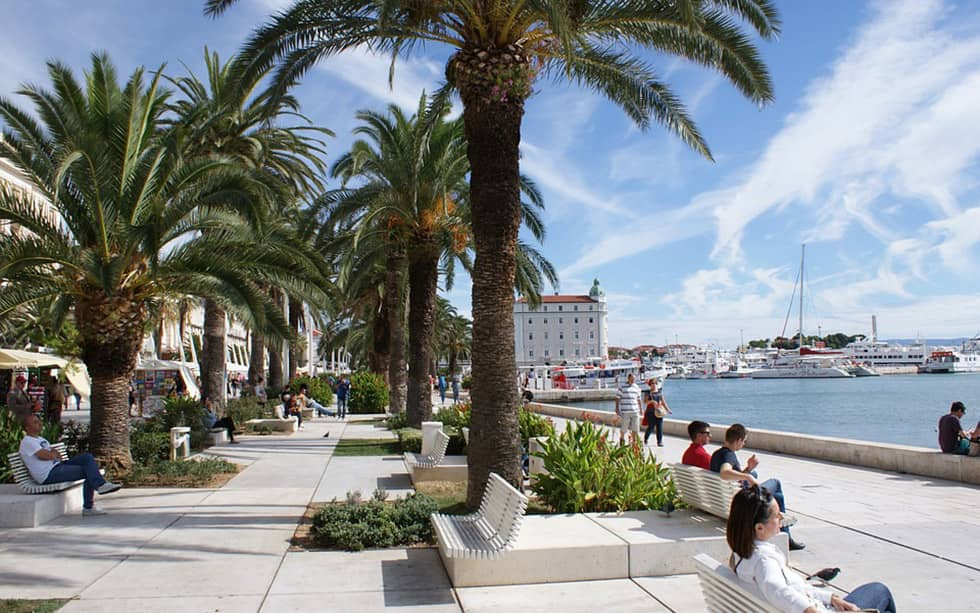
Stretching smoothly along the entire southern waterfront wall of Diocletian’s Palace, this wide, marble-paved pedestrian avenue serves as the definitive living room of Split.
- What it is famous for: Its sea of iconic white sun-canopies, towering palm trees, and being the ultimate local stage for the art of pomalo (leisurely relaxation). Completely closed to automobile traffic, the Riva is lined with elegant, pastel-colored buildings packed with outdoor cocktail terraces, open-air seafood taverns, and benches overlooking the water. It is the ultimate staging ground for civic celebrations, cultural parades, and people-watching, capturing the relaxed Mediterranean energy of Dalmatian culture.
4. Cathedral of Saint Domnius (Sveti Duje)
The Octagonal Imperial Mausoleum of Soaring Romanesque Bell Towers
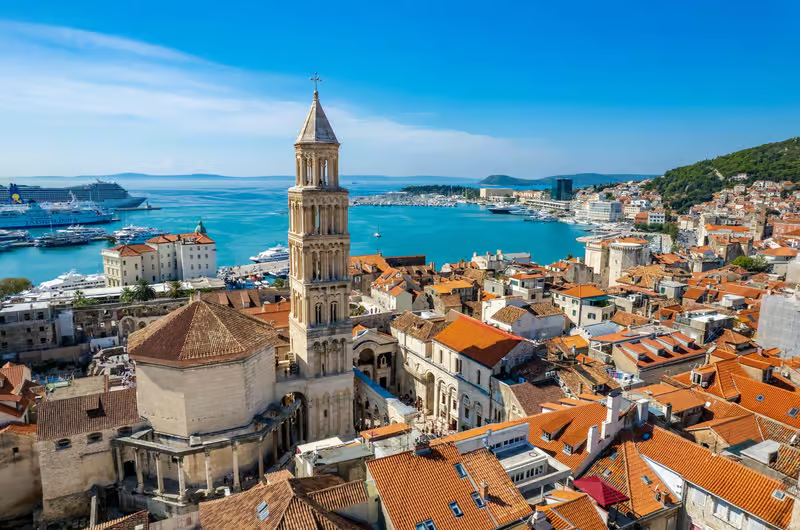
Rising majestically from the eastern edge of the Peristyle square, this striking architectural complex holds an ironic position in religious history.
- What it is famous for: Being the oldest Catholic cathedral in the world that still uses its original, intact structure—originally built as a pagan Roman tomb. Emperor Diocletian, a fierce persecutor of early Christians, built this octagonal stone mausoleum for himself in 305 AD. Centuries later, Christians converted the tomb into a cathedral, dedicating it to Saint Domnius—a martyr Diocletian had executed. Visitors can enter to view spectacular Corinthian friezes and climb the soaring 57-meter-tall Romanesque Bell Tower for panoramic looks across the city and sea.
5. The Substructure Halls (The Podrumi)
The Cavernous Subterranean Vaults of Game-of-Thrones Movie Lore
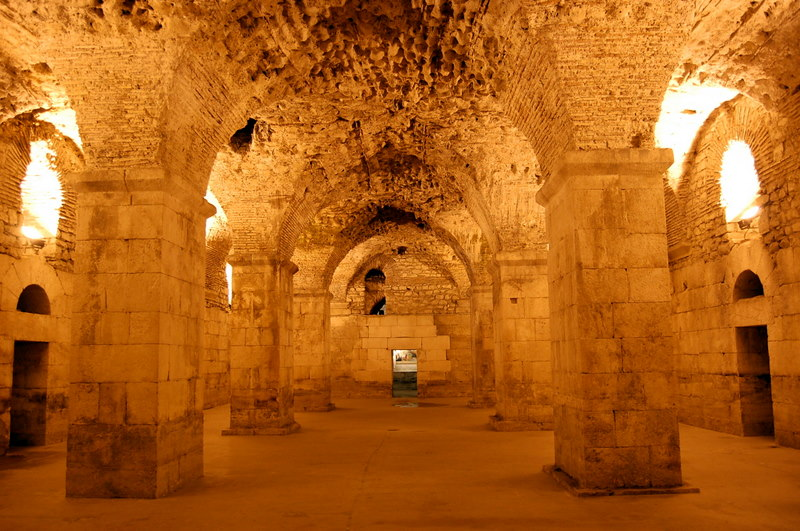
Accessed via a monumental stone staircase leading directly down from the Peristyle, or through an open gate on the Riva, this vast network of vaulted brick and stone basements runs beneath the palace.
- What it is famous for: Being the largest and most perfectly preserved Roman subterranean structural network in the world, and acting as a filming site for Daenerys Targaryen’s dragon dungeons. Because the basements were built to mirror the exact floor plan of the emperor’s private apartments directly above, they allowed archaeologists to reconstruct the layout of the lost upper levels. Today, the cool, echoing halls host artisanal craft markets, art galleries, and historic museum exhibitions detailing Roman engineering.
6. Marjan Hill Park
The Green Pine-Forested Peninsula of Hidden Cave Hermitages
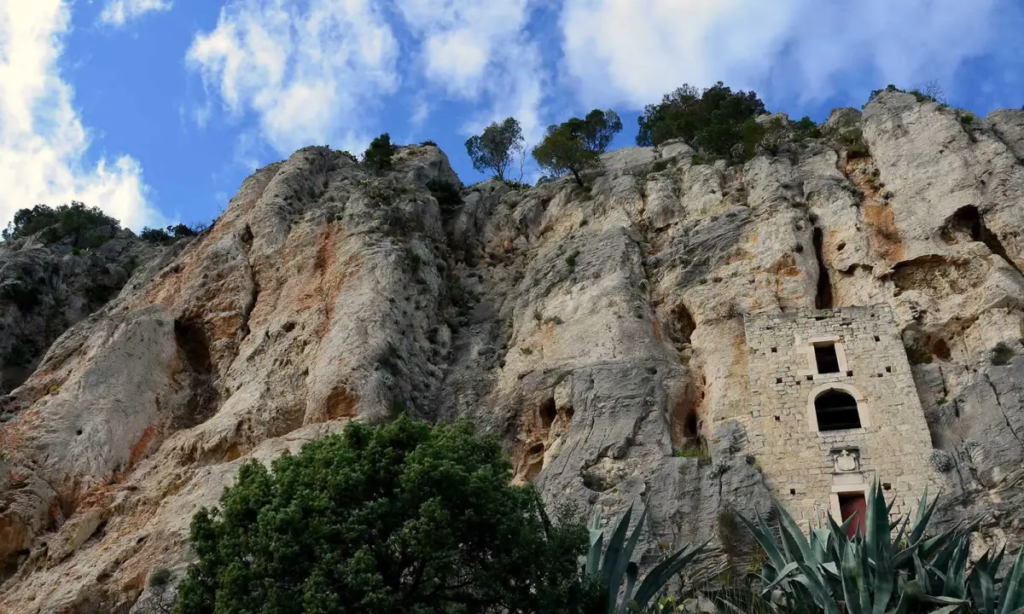
Spreading across a massive, rocky peninsula jutting westward from the immediate edge of the historic old town grid, this 340-hectare nature reserve functions as Split’s green oasis.
- What it is famous for: Its dense Mediterranean pine forests, scenic jogging trails, and centuries-old stone churches carved directly into cliff faces. Known proudly by locals as “the lungs of the city,” Marjan Hill offers a serene escape from the stone-paved streets. Visitors can climb the stone steps to the Telegrin peak lookout point for a breathtaking view of the surrounding islands, or hike the rugged southern cliffs to discover hidden 15th-century cave hermitages and the historic Church of St. Jerome.
7.
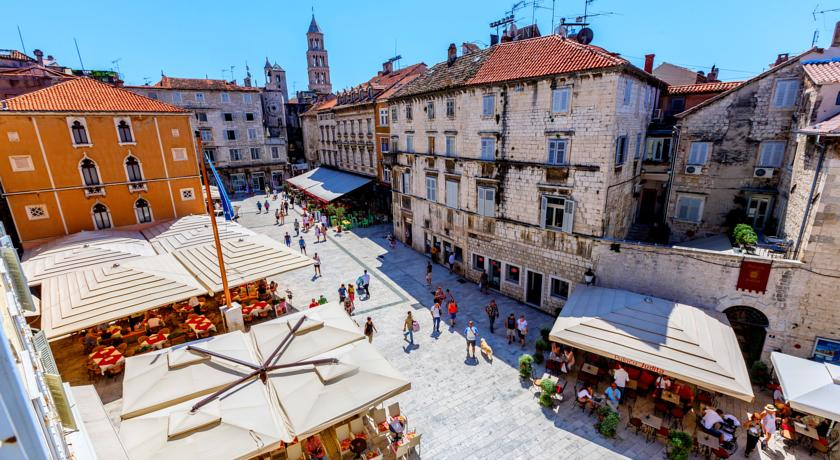
The Venetian Gothic Sentinel of Ornate Iron Clock Towers
Slicing smoothly westward through the historic iron gates of the Roman palace, this wide, stone-paved public square has served as the civic core of Split since the 15th century.
- What it is famous for: Its gorgeous Venetian-Gothic architecture, the old Town Hall, and a unique 24-hour city clock face. As the city expanded outside the palace walls during the Renaissance, the Pjaca became the administrative heart of the town. The square is framed by elegant palaces featuring ornate filigree balconies and detailed stucco work. The historic town clock features a unique face divided into 24 hours rather than 12, creating a magnificent backdrop for the upscale boutiques and outdoor cafes below.
8. Gregory of Nin Statue (Grgur Ninski)
The Colossal Bronze Titan of Good-Luck Wishes and Golden Toes
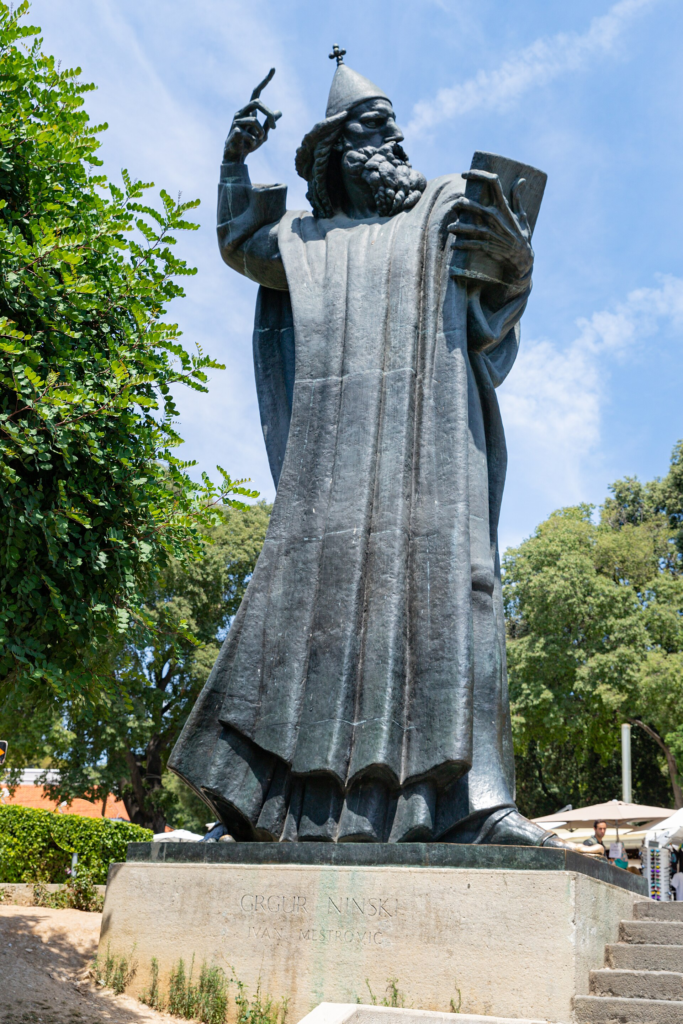
Commanding a majestic, park-like green space directly outside the monumental northern Golden Gate (Zlatna Vrata) entrance of the palace, this giant bronze sculpture is an absolute crowd favorite.
- What it is famous for: Being a massive, 8-meter-tall masterpiece sculpted by Croatia’s greatest artist, Ivan Meštrović, featuring a highly polished big toe. Erected in 1929, the monument depicts Gregory of Nin, a 10th-century Croatian bishop who famously defied the Pope to introduce the national Slavic language into church services. Local folklore states that rubbing the statue’s giant bronze big toe brings good luck and guarantees you will return to Split, leaving the toe gleaming a brilliant golden-brass color from millions of hands.
9. Fruit Square (Trg Braće Radić)
The Renaissance Courtyard of Octagonal Watchtowers and Baroque Palaces
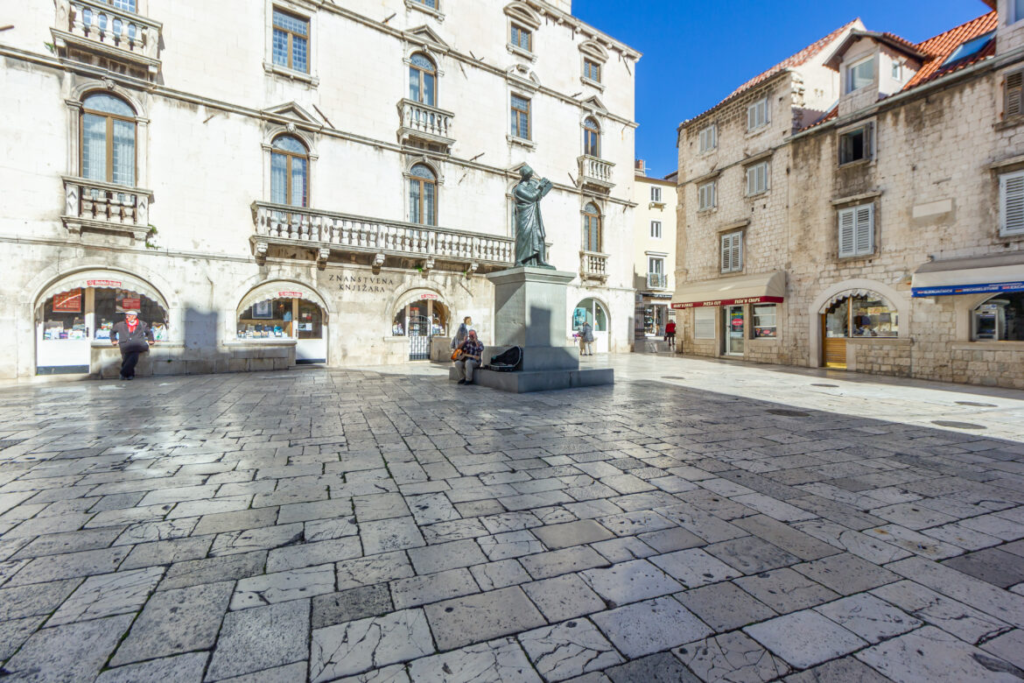
Tucked into a cozy, stone-walled pocket just a short walk west of the palace substructures, this charming public square derives its famous nickname from the historic markets held here for centuries.
- What it is famous for: Its towering 15th-century octagonal Venetian castle tower, the grand Baroque Milesi Palace, and a statue of local literary pioneer Marko Marulić. Built by Venetian rulers to shield the city from mainland pirate raids, the rugged stone watchtower dominates the square’s geometry. Today, the fruit markets are gone, replaced by a sophisticated European atmosphere where travelers sit at open-air wine bars and bookstores housed inside elegant stone facades.
10. Bačvice Beach
The Sun-Drenched Sandy Crescent of the Traditional Picigin Ball Game
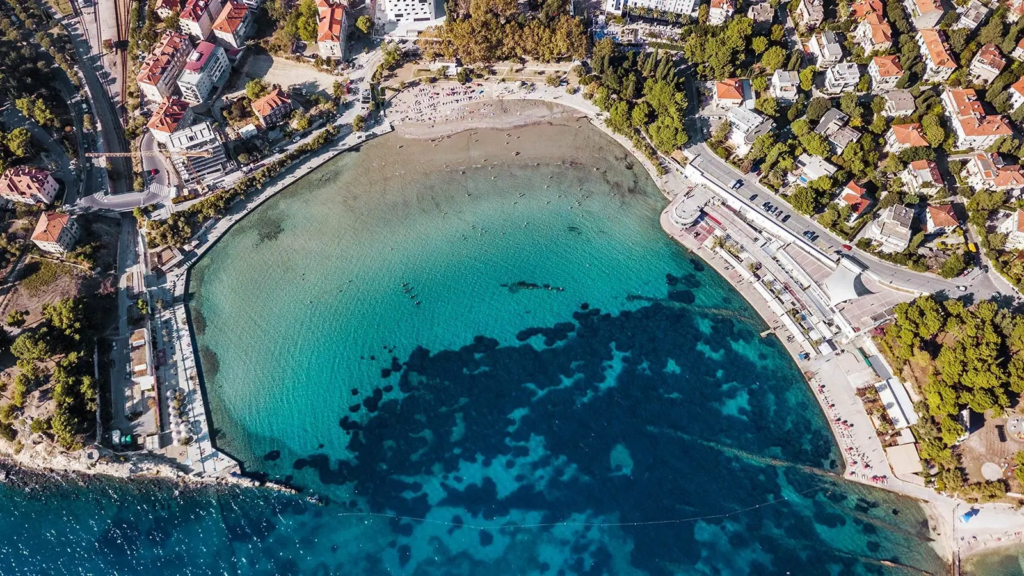
Situated a brief, 10-minute walk southeast of the main international ferry terminal docks, this shallow, sandy bay is the premier urban beach lifestyle destination in Split.
- What it is famous for: Being the absolute birthplace and global capital of Picigin, an eccentric, high-energy traditional amateur water sport. Invented here in 1908, the game involves a group of players standing ankle-deep in the shallow water, leaping dramatically through the air to prevent a small peeled tennis ball from hitting the water using only their palms. The beach is a vibrant community hub, lined with a concrete multi-level promenade packed with lively cafes, pizzerias, and beach clubs that stay active long past sunset.
11. Mestrovic Gallery (Galerija Meštrović)
The Neoclassical Sea-View Palace of Monumental Marble and Bronze Torsos
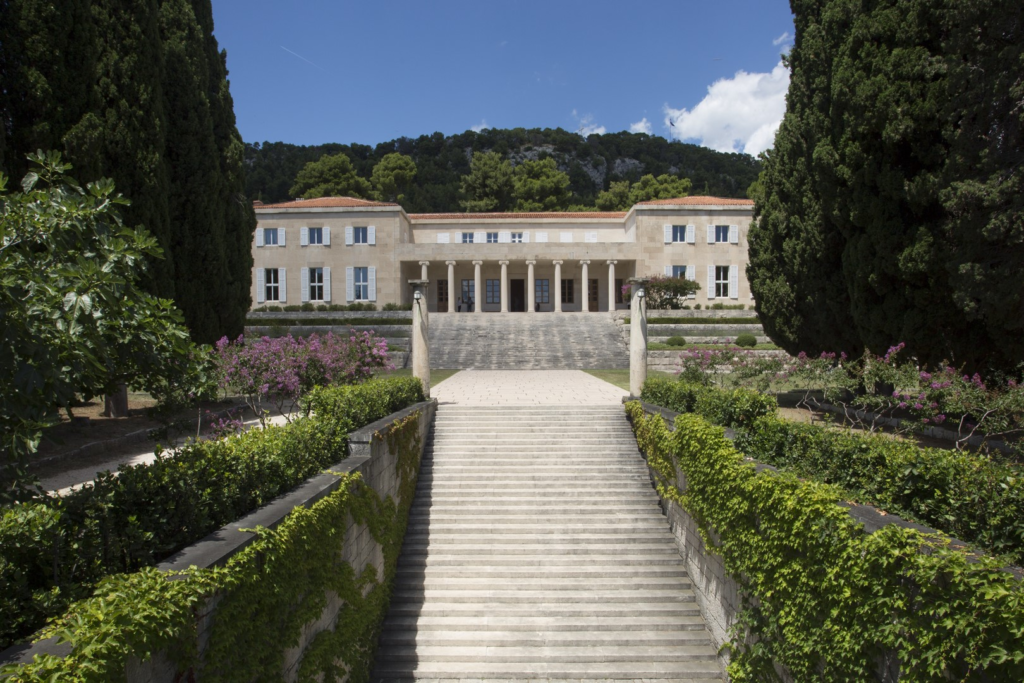
Perched elegantly on the southern foothills of Marjan Hill overlooking the open Adriatic Sea channels, this spectacular neoclassical mansion serves as a dedicated art sanctuary.
- What it is famous for: Housing the definitive, personal collection of Ivan Meštrović, widely considered one of the 20th century’s greatest sculptors. Designed by the artist himself in the 1930s to serve as his private residence and workspace, the grand villa features a columned front facade and manicured sculpture gardens. Inside, the sun-flooded galleries display over 190 monumental marble statues, dynamic bronze figures, and intricate wooden reliefs, tracking the incredible emotional depth of Croatia’s master artist.